Recho: A Lighter Way to Code with Creativity
Bairui Su, Luyu Cheng / 2025-10-07
UIST 2026 paper, CHI 2026 poster
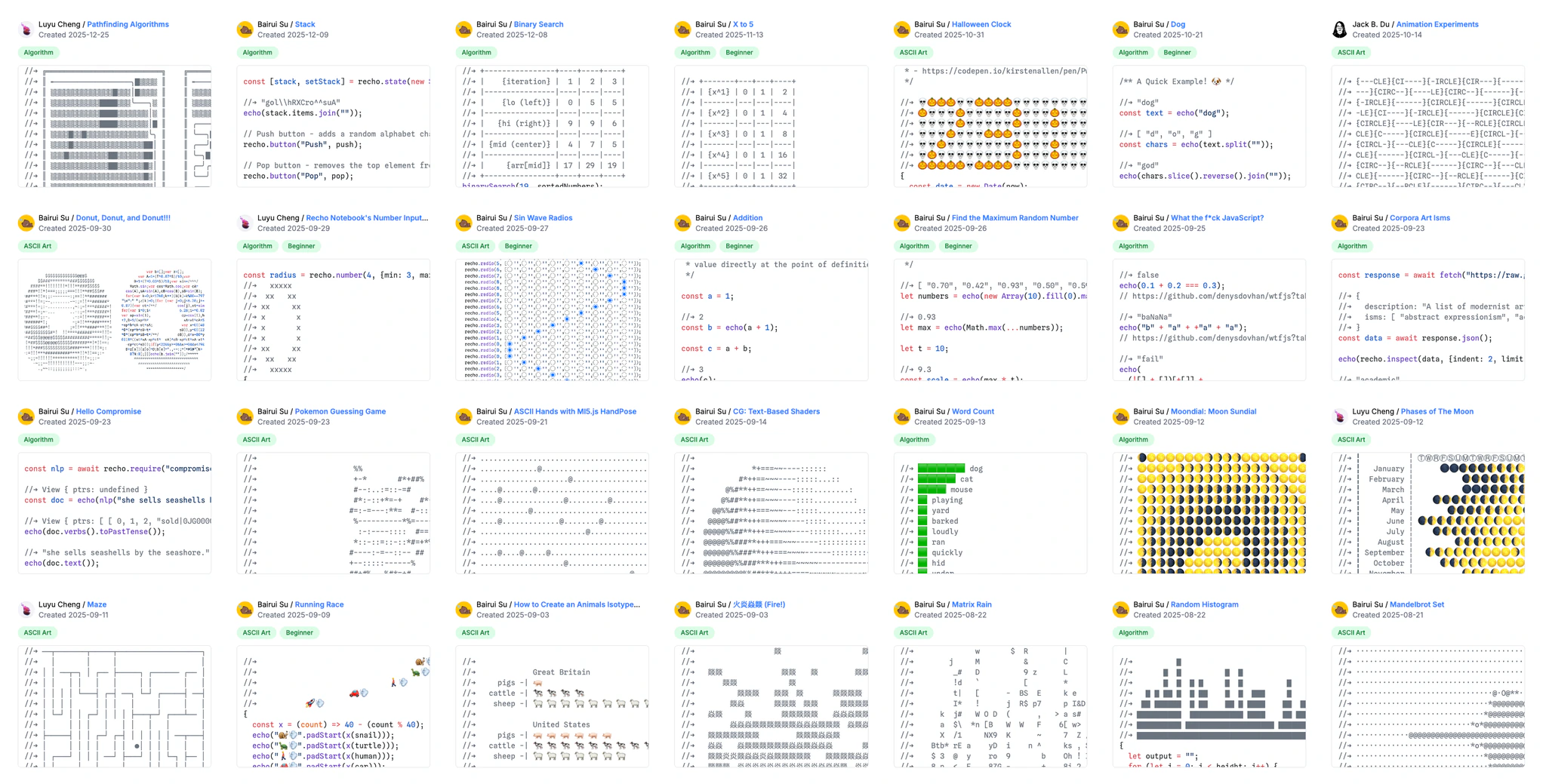
Recho is an open-source notebook for learning and exploration. It uses a plain code format that echoes output inline as comments, so you can code in place with instant feedback. Built on vanilla JavaScript and the reactive model of Observable Notebook Kit, it is a place to explore algorithms and ASCII art. It has been accepted as a UIST 2026 paper and a CHI 2026 poster.
How It Works
Unlike Jupyter or Observable, Recho treats code and output as one document: output echoes inline as comments above your code, and updates as you type. The core is the built-in function echo, which executes the expression and echoes the result inline as a comment. In addition, it supports reactive programming, in-place inputs and animation via JavaScript generators. Here is a quick preview.
 Addition: How echo works
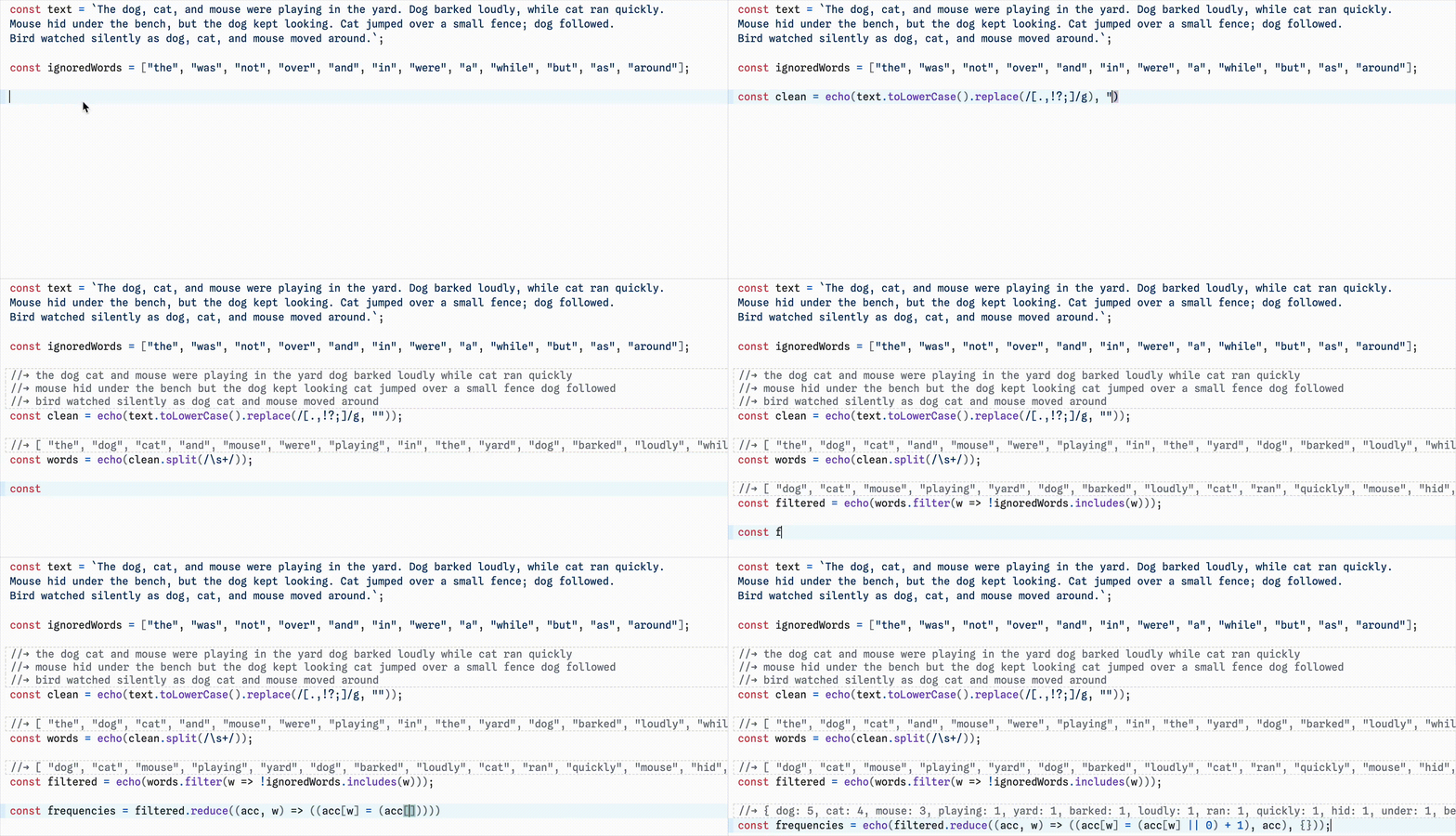 Word Counting: Echo makes programming more visible
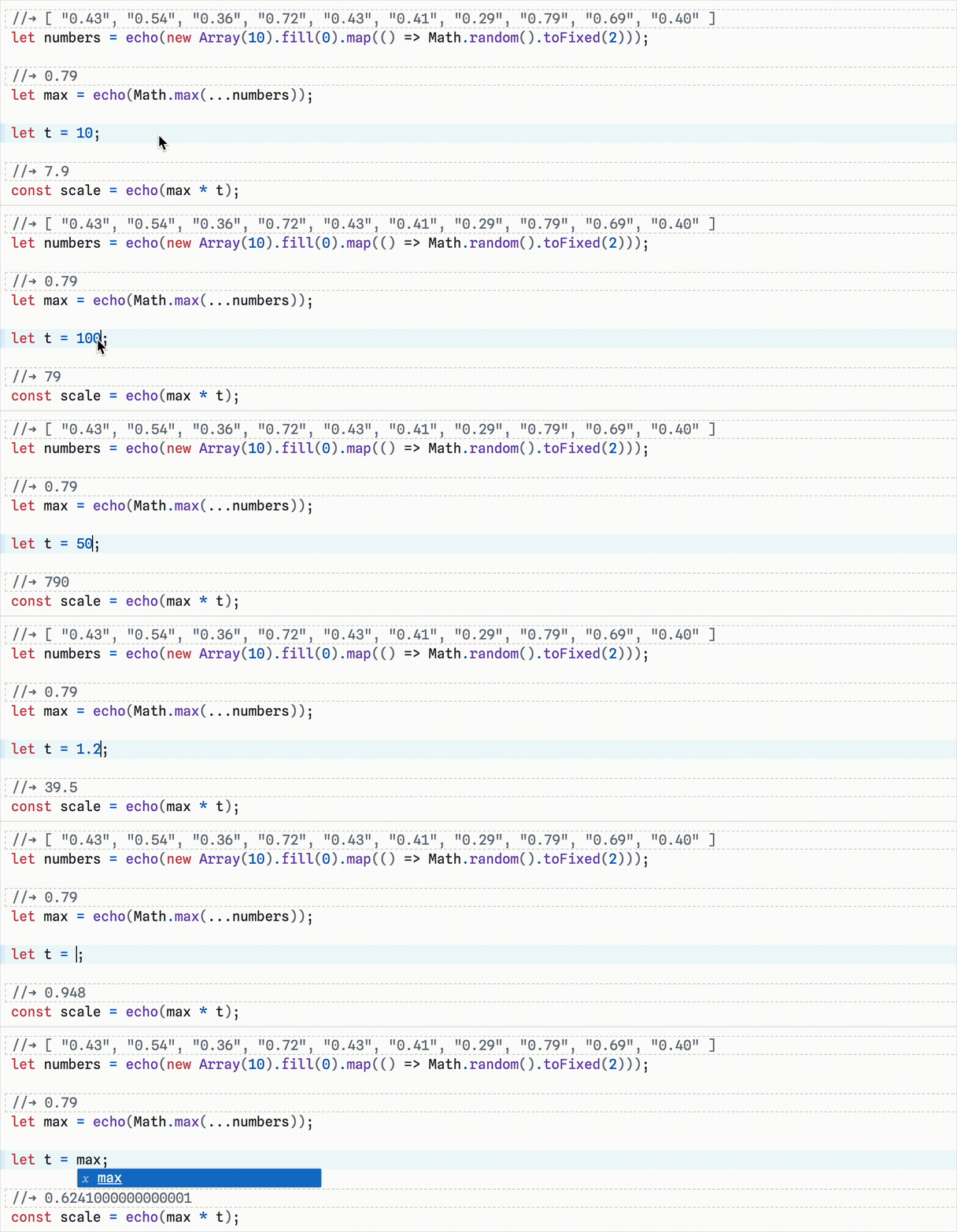 Reactive Vanilla JavaScript
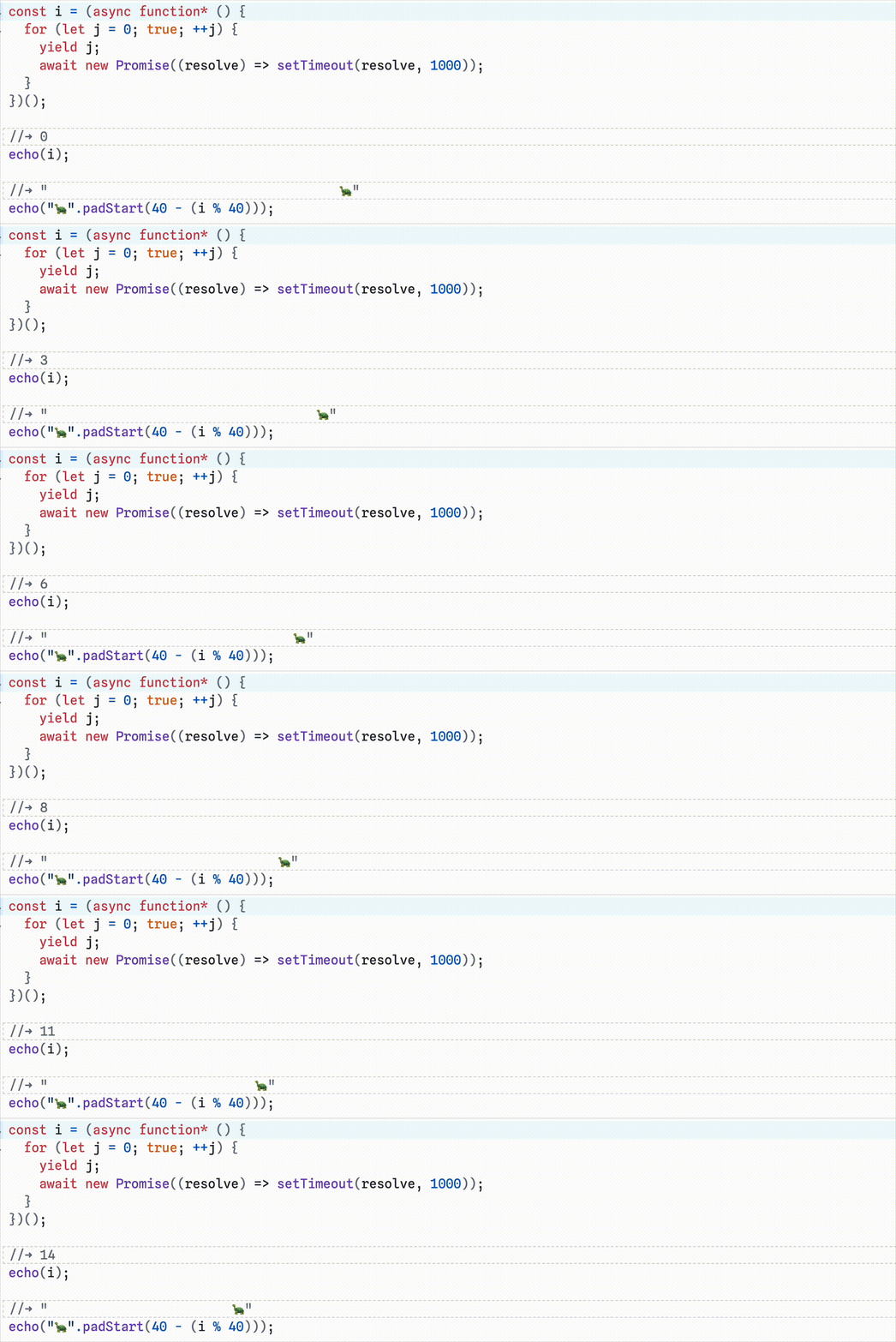 Animation with Generator
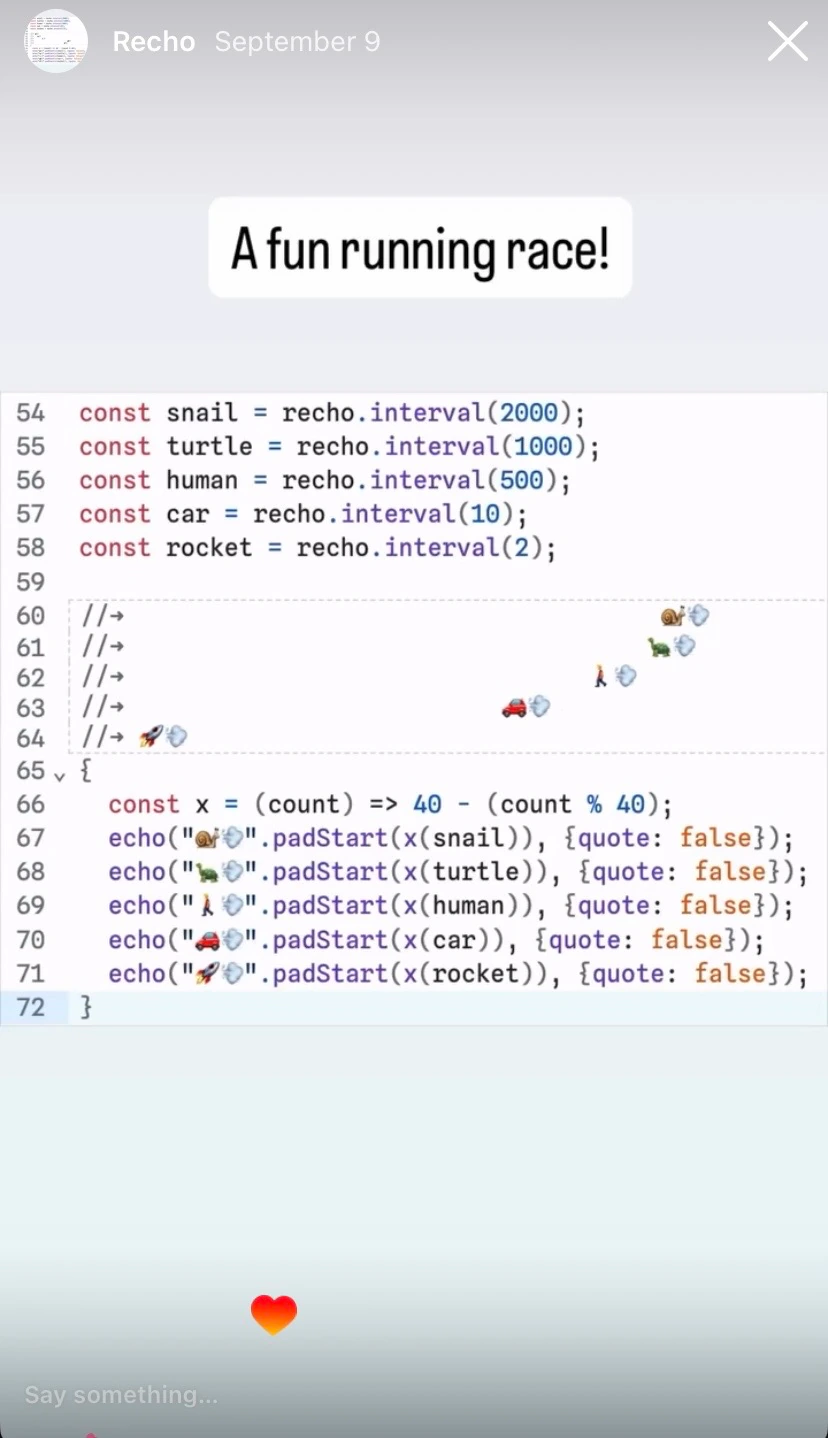
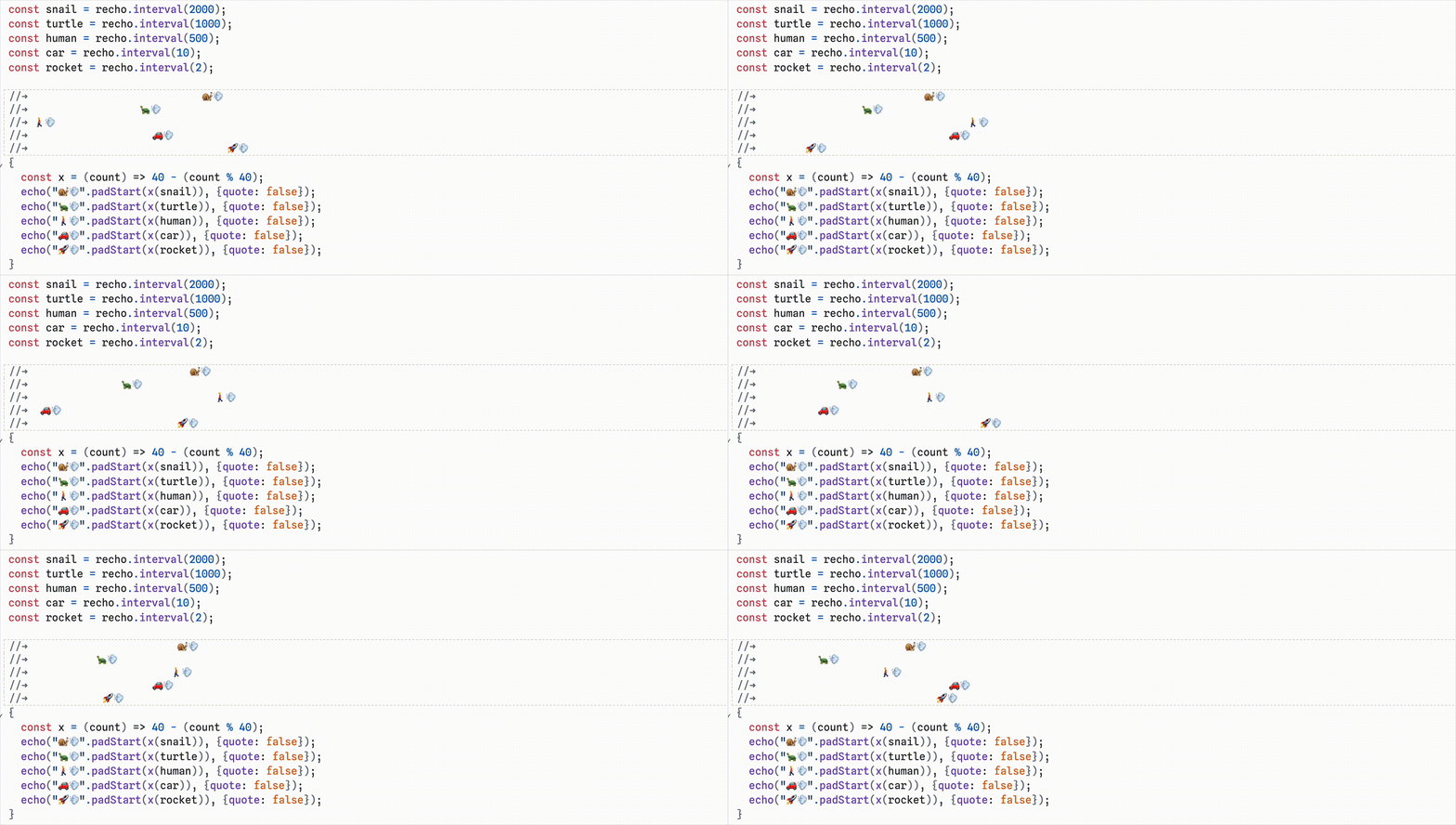 Racing Game with recho.interval
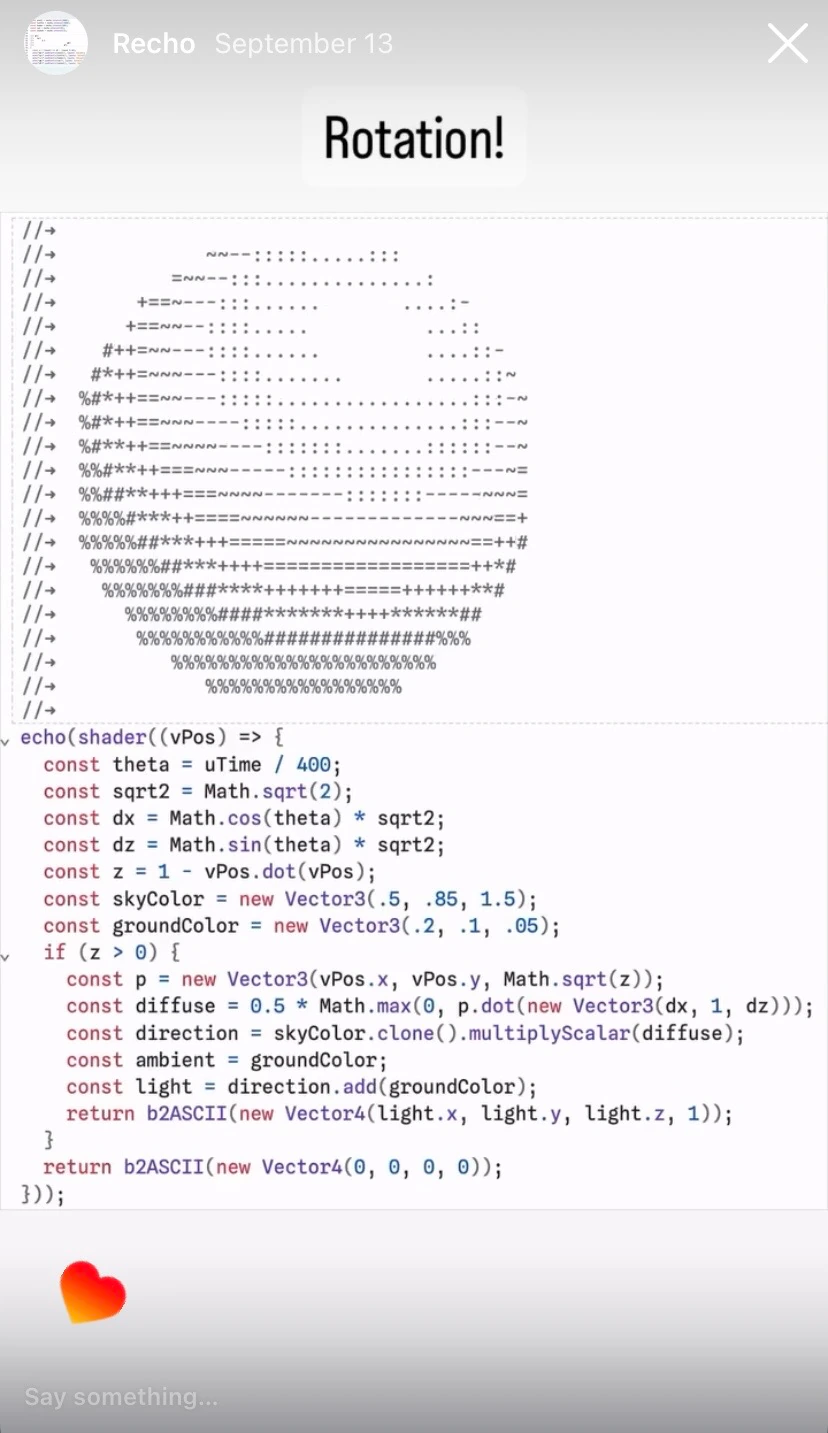
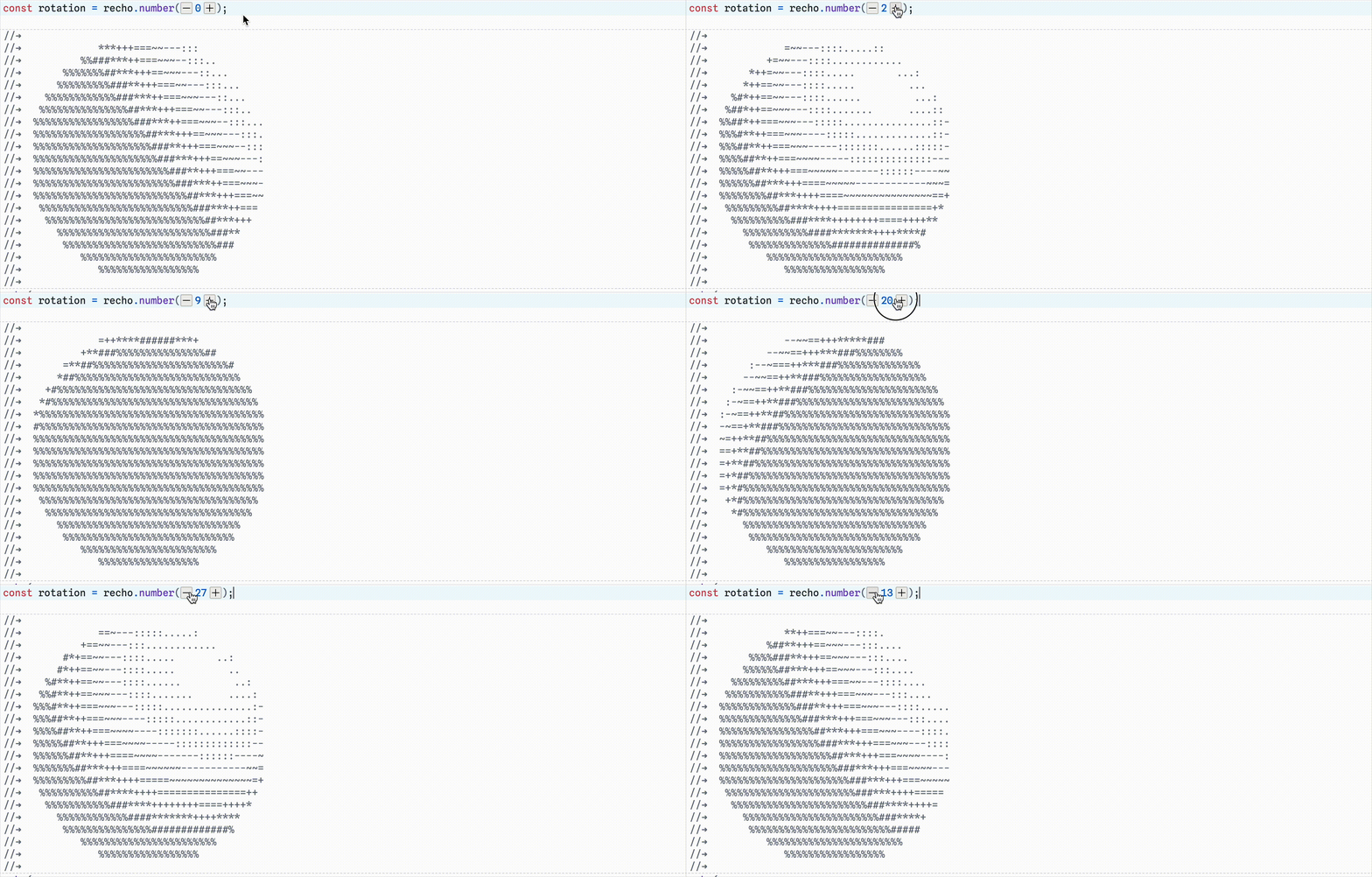 Sphere Rotation with recho.number
Examples
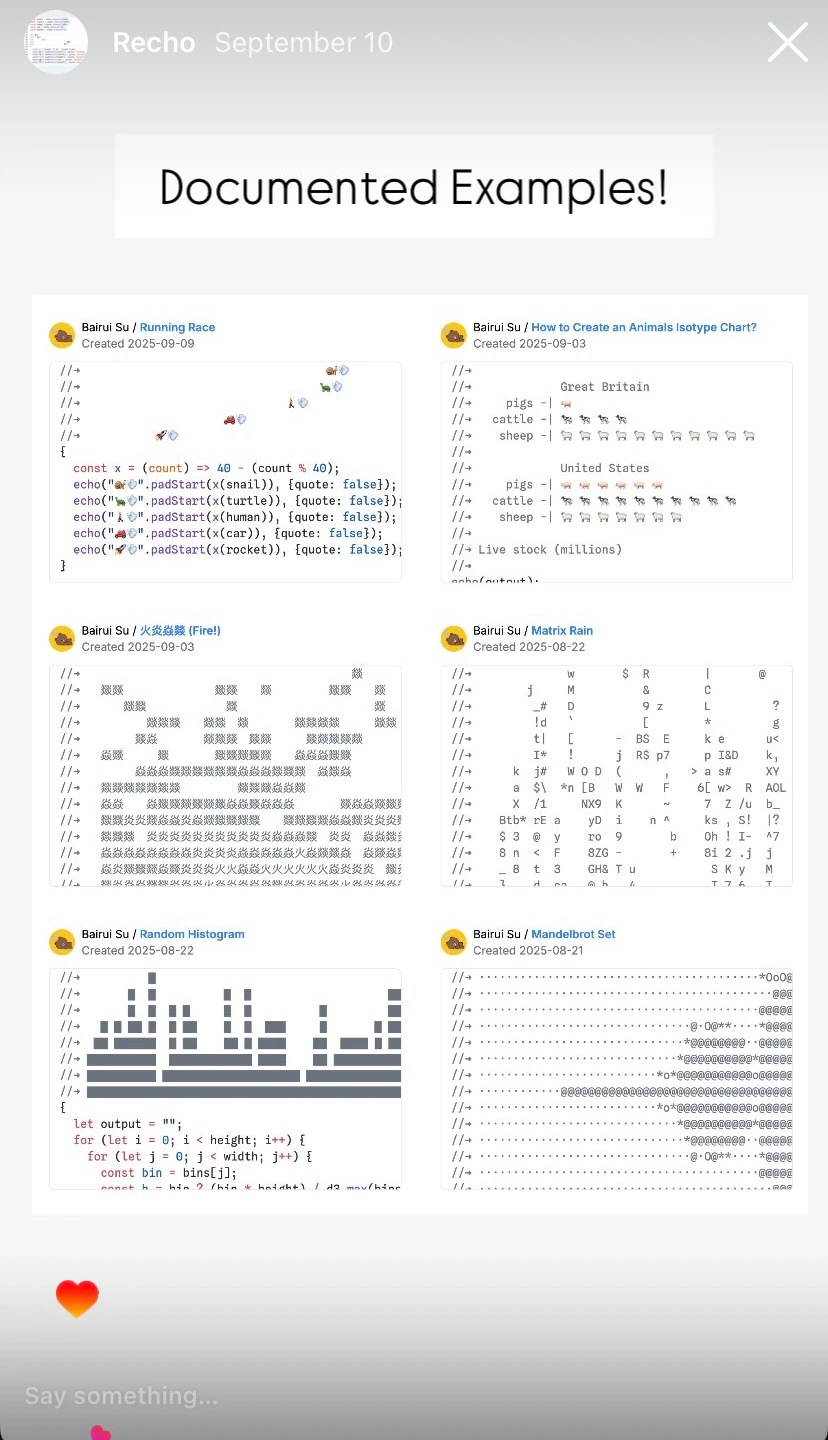
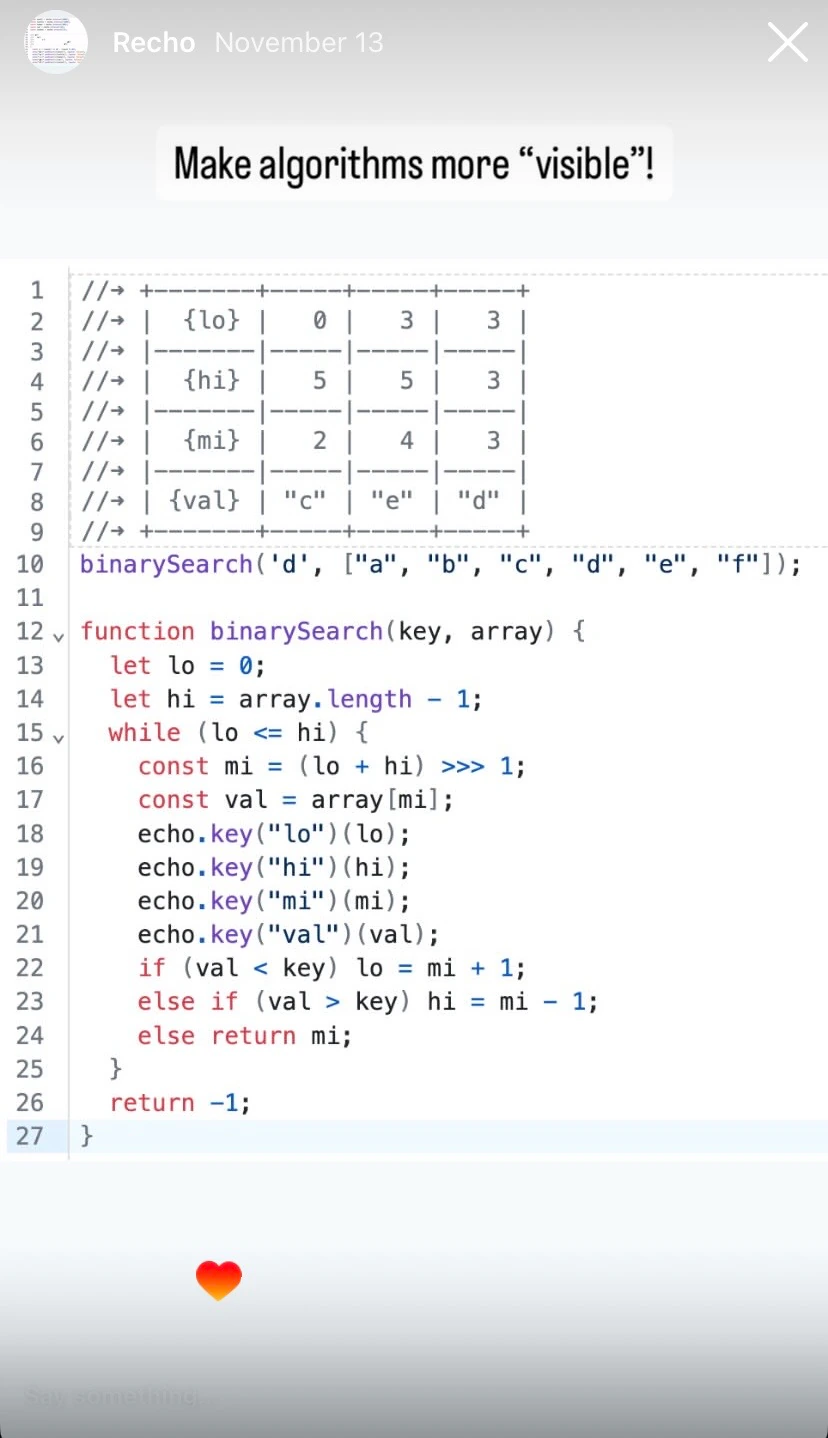
ASCII art, algorithm visualization, and in-place inputs. More in the examples gallery.
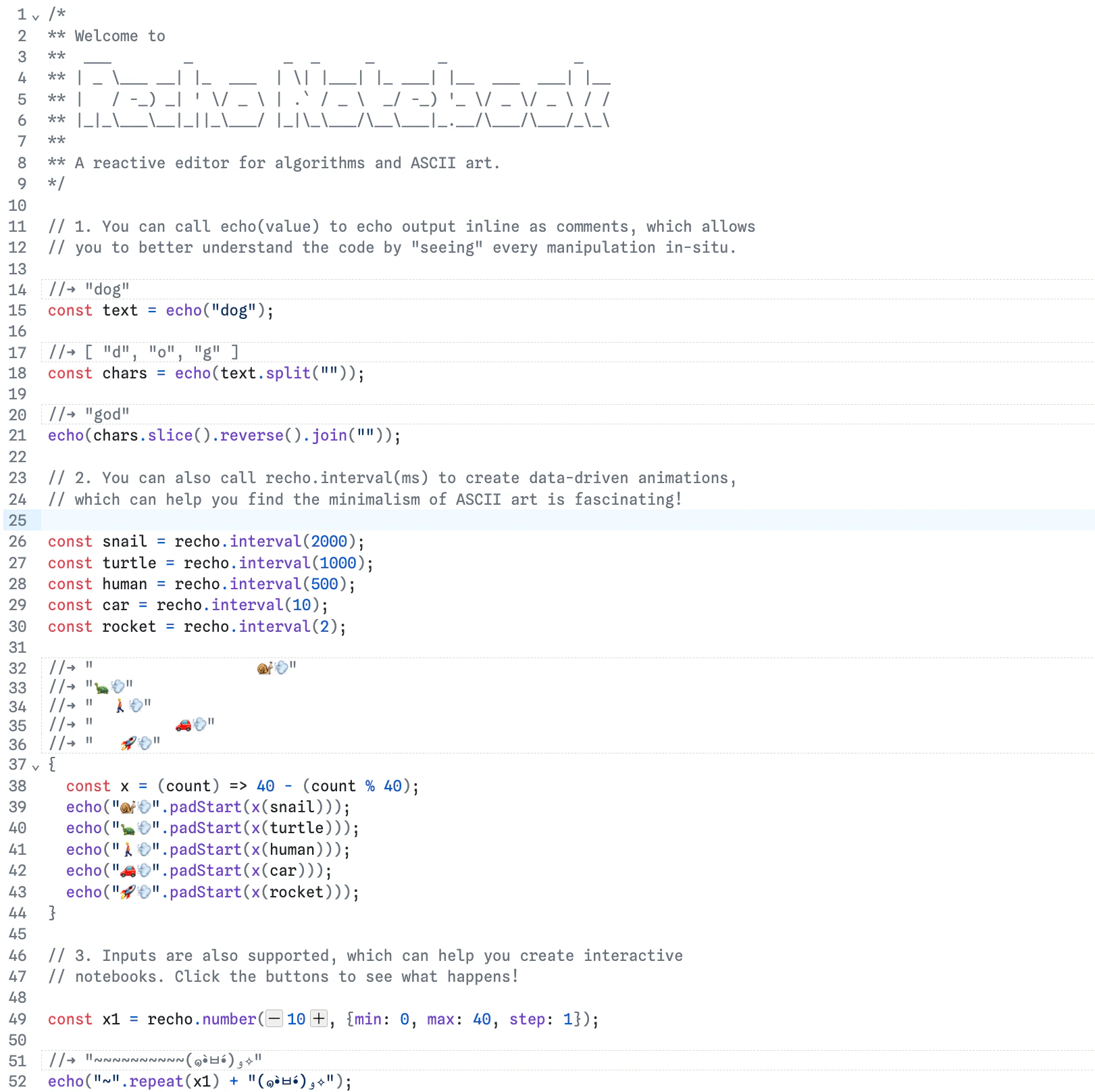 Starter Notebook
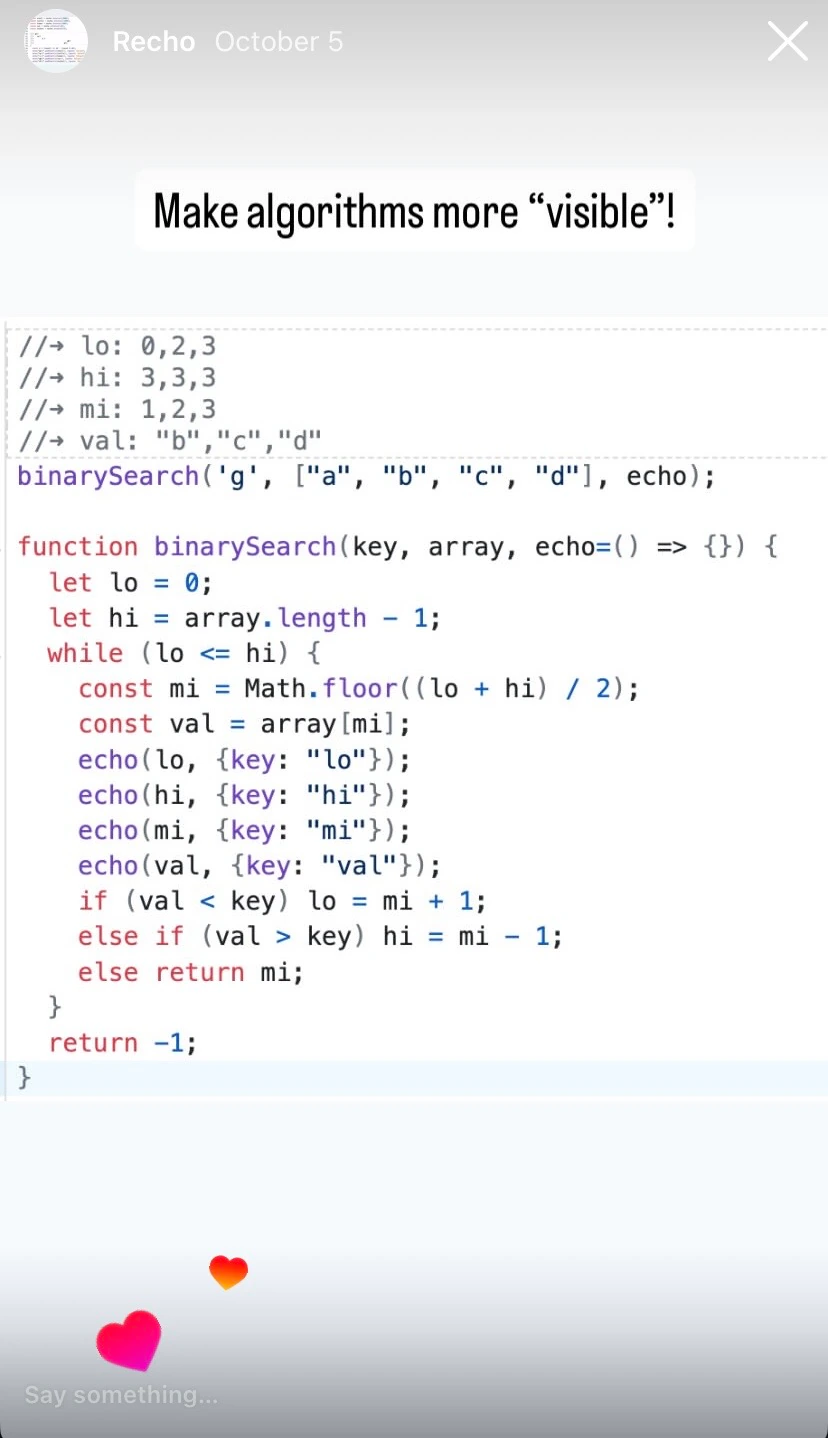
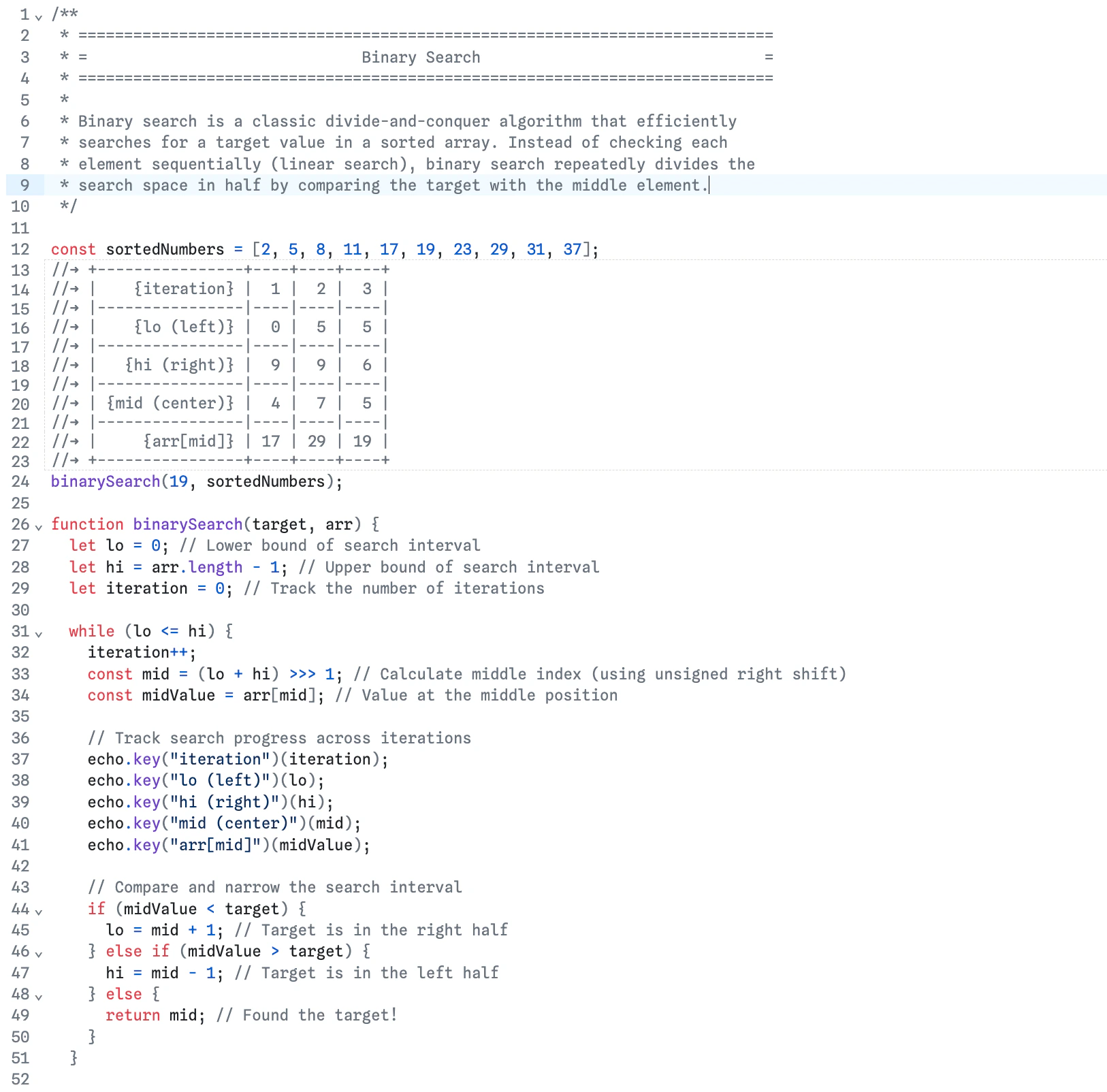 Binary Search
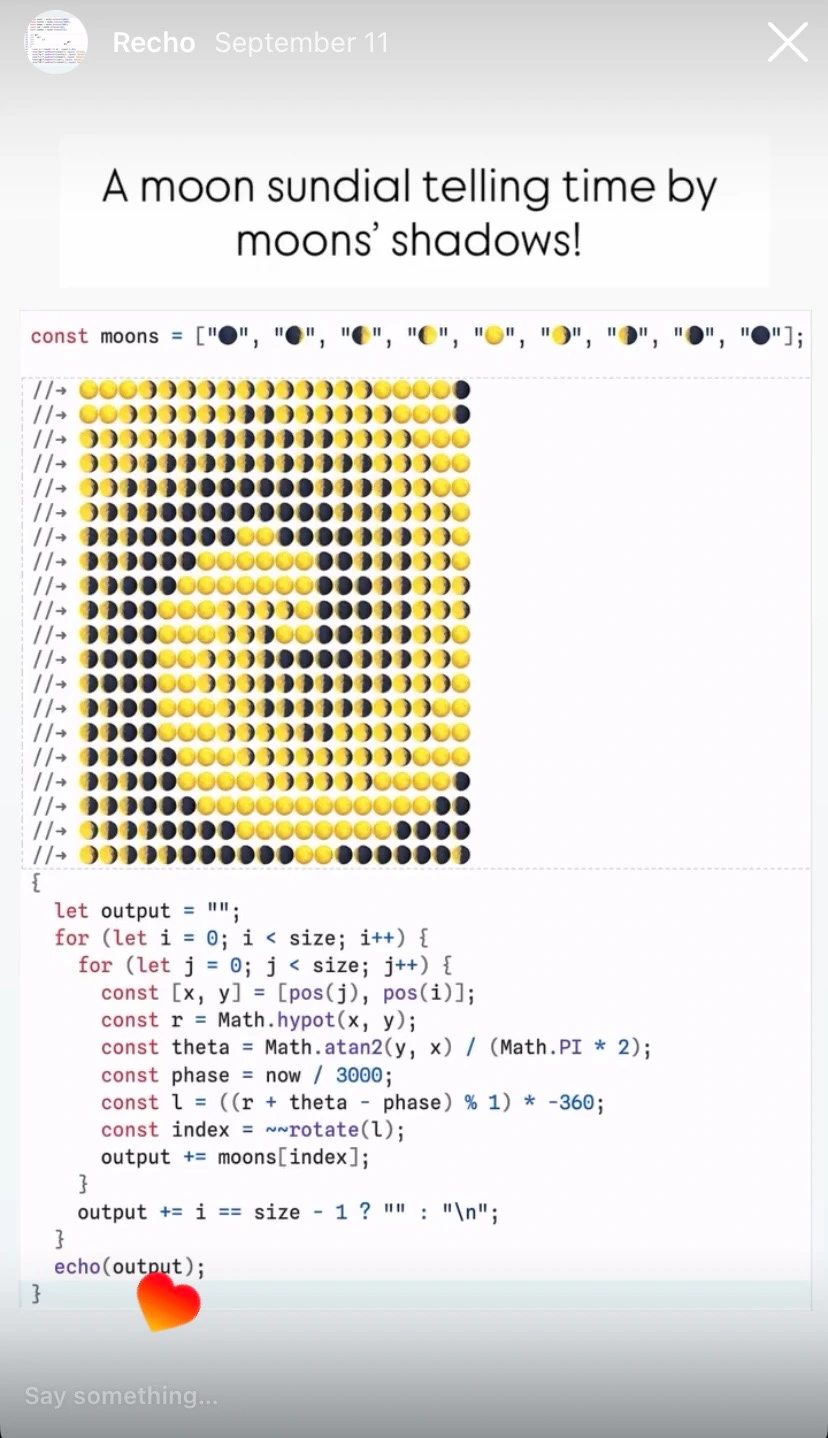
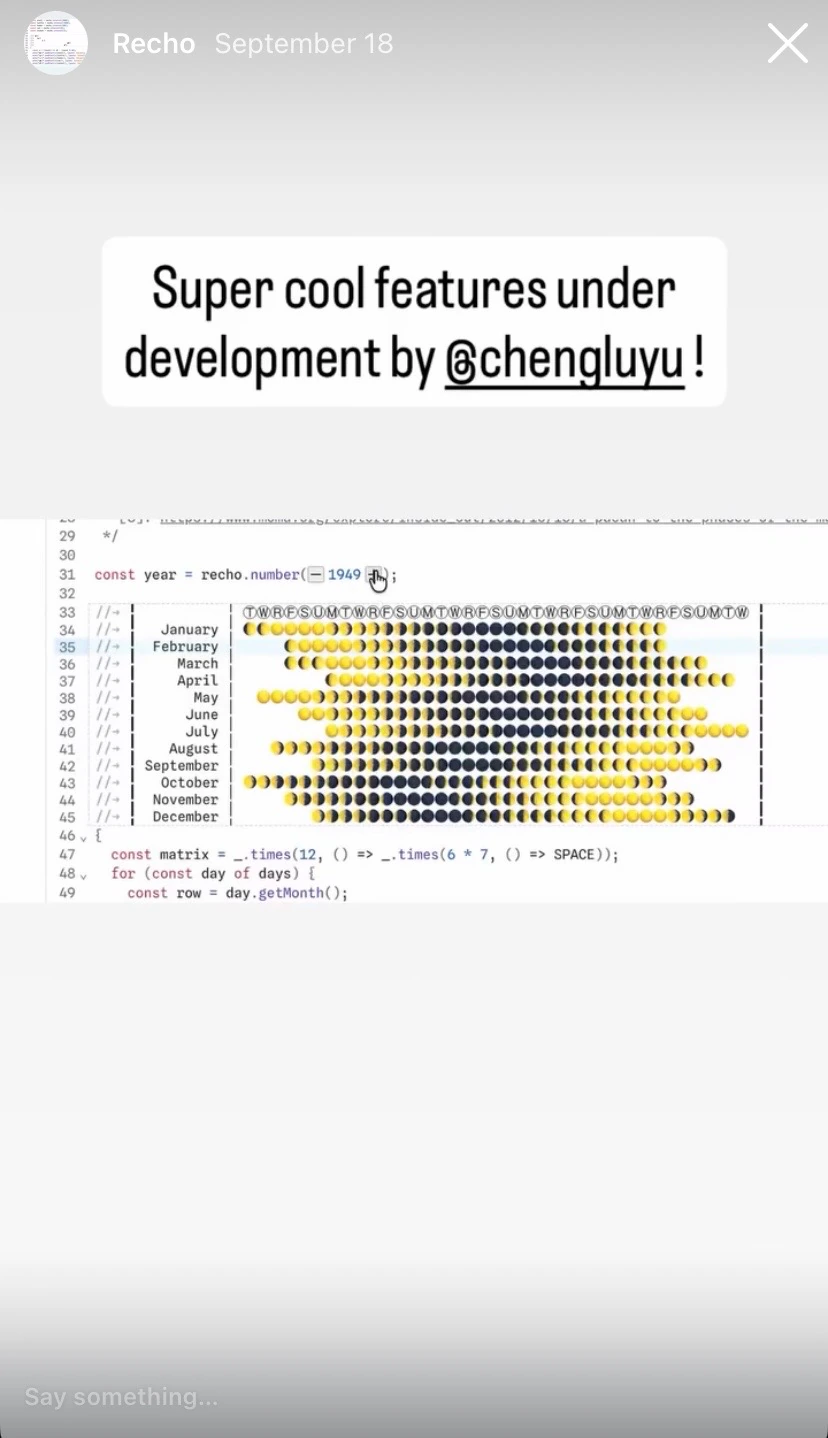
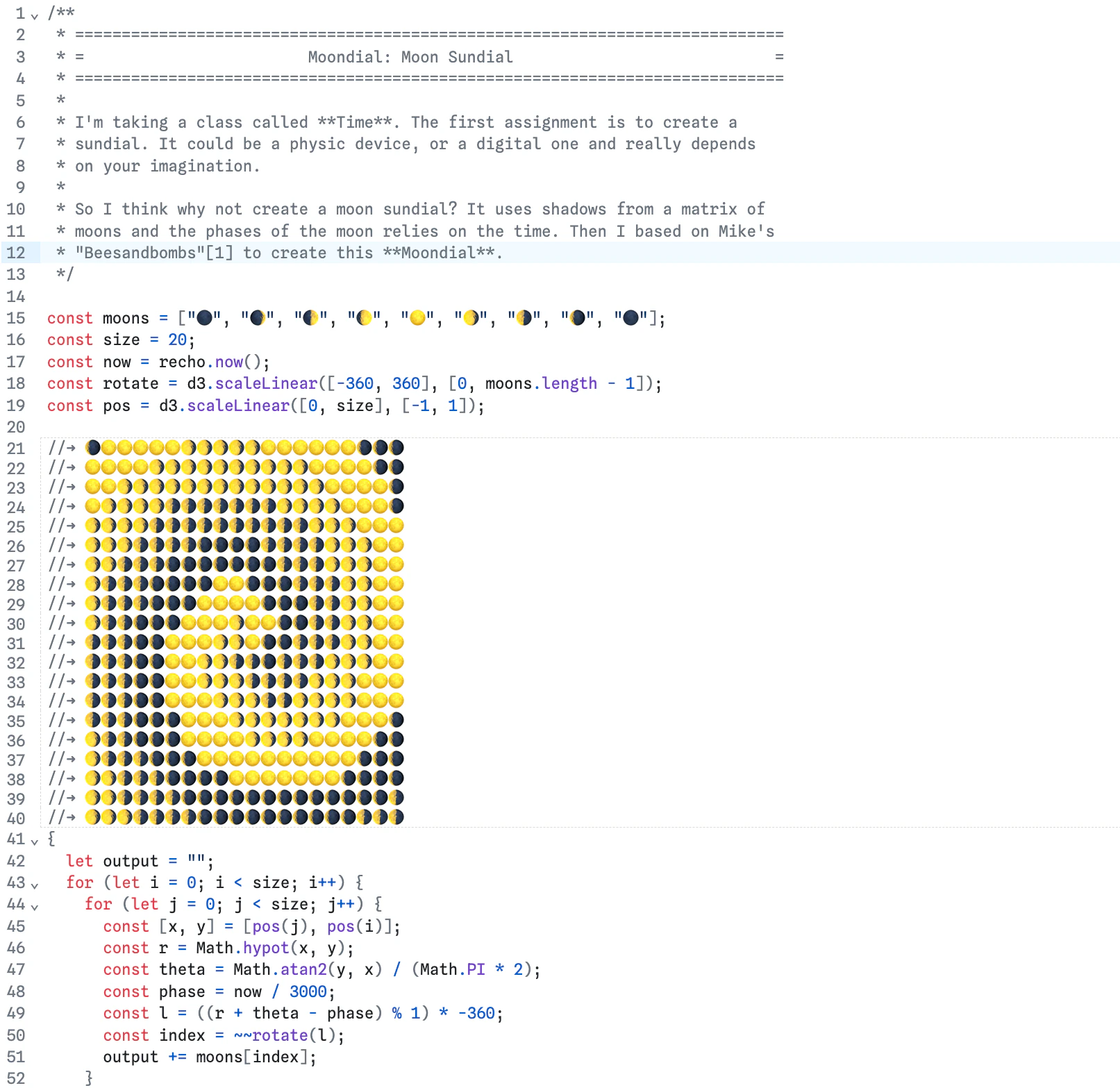 Moondial: Moon Dial
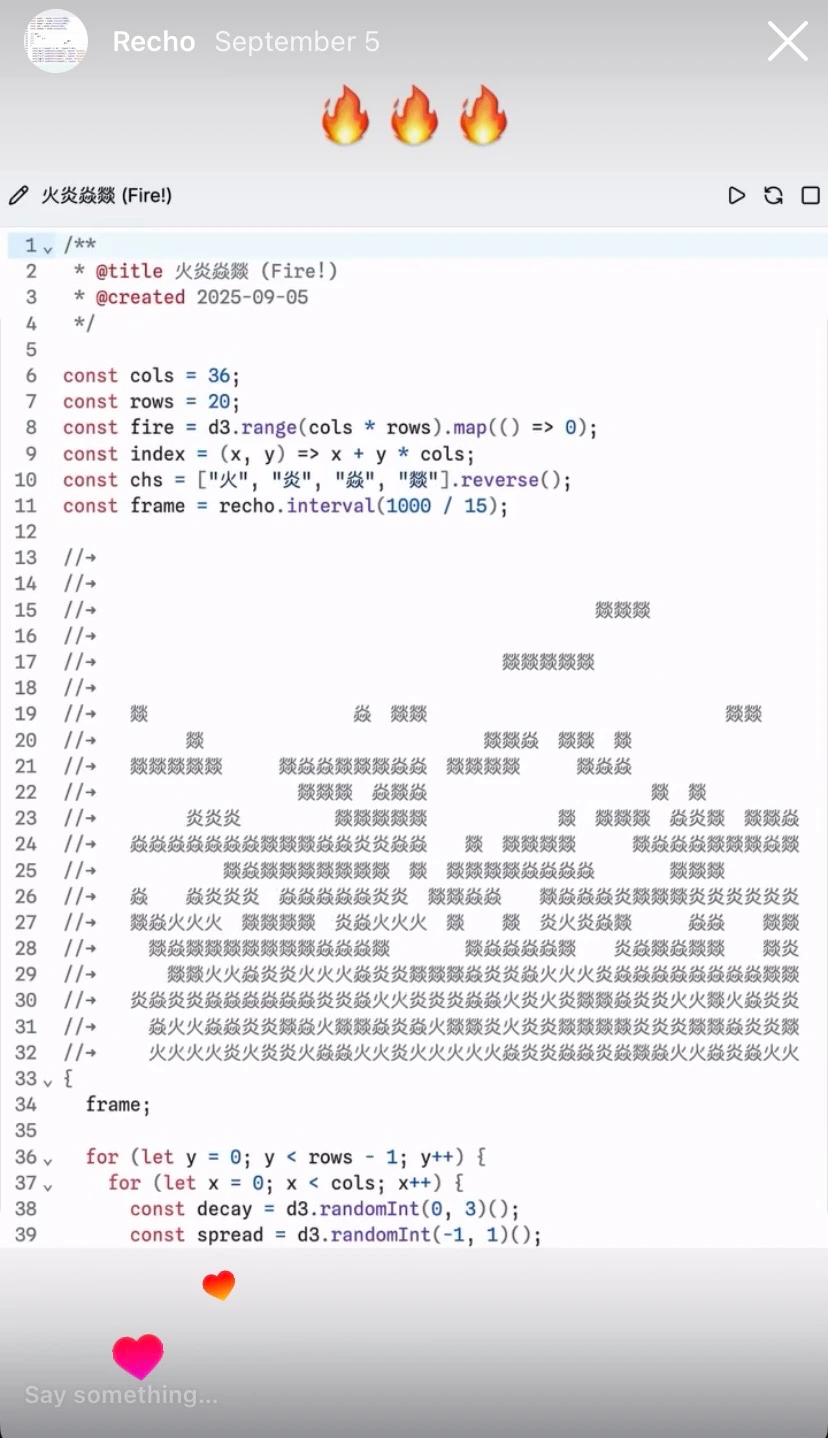
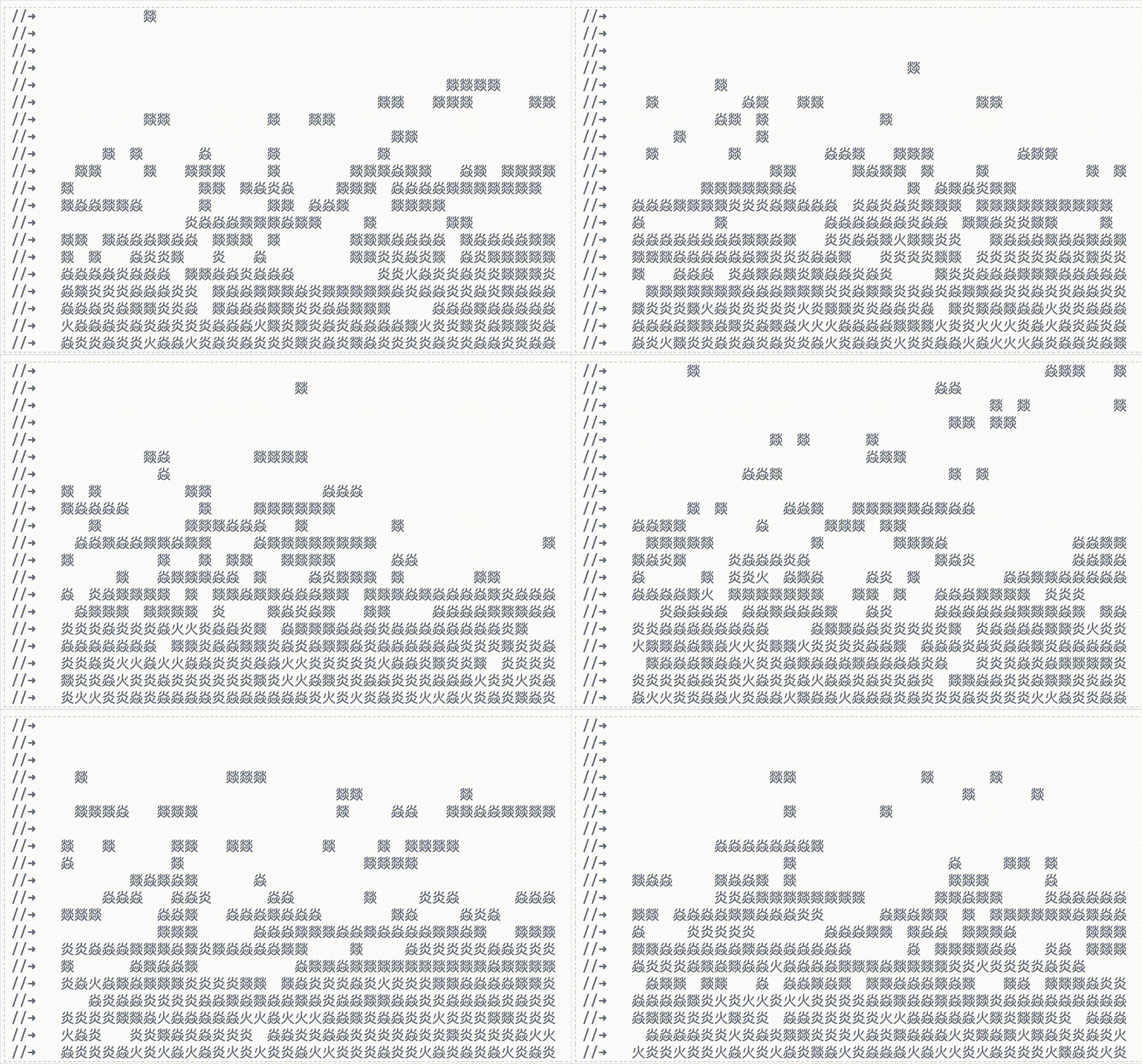 火炎焱燚 (Fire!)
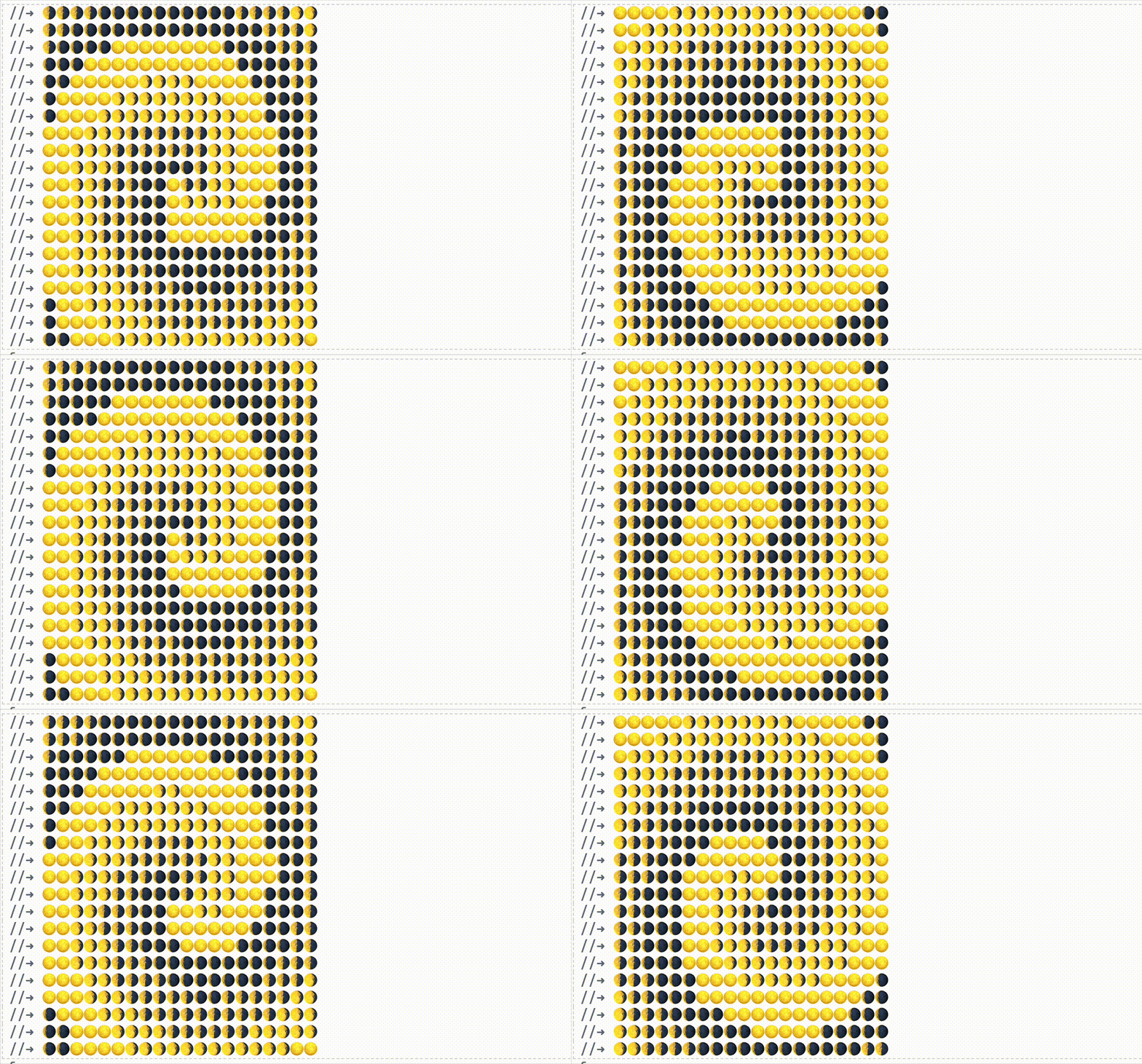 Moondial
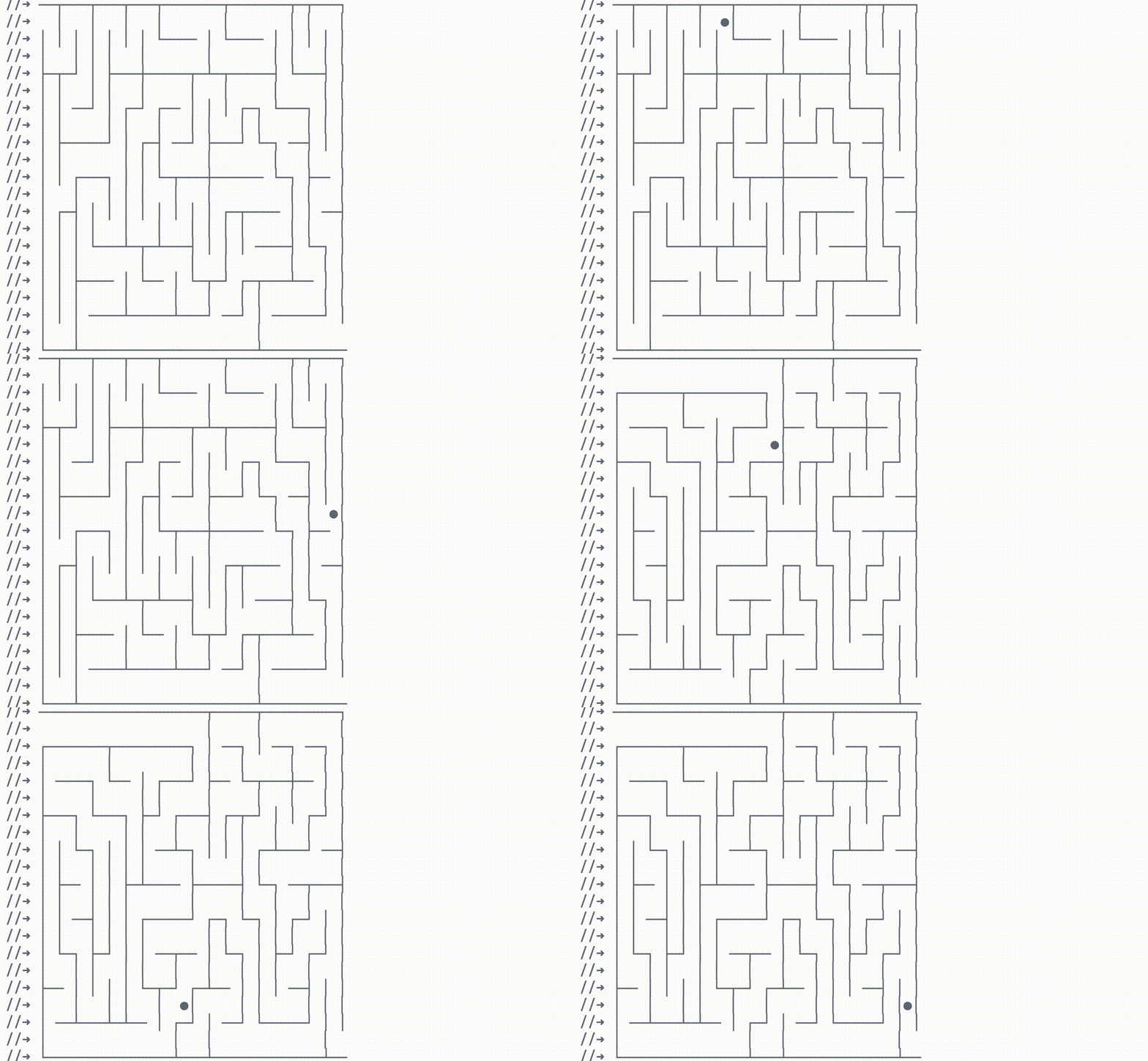 Maze
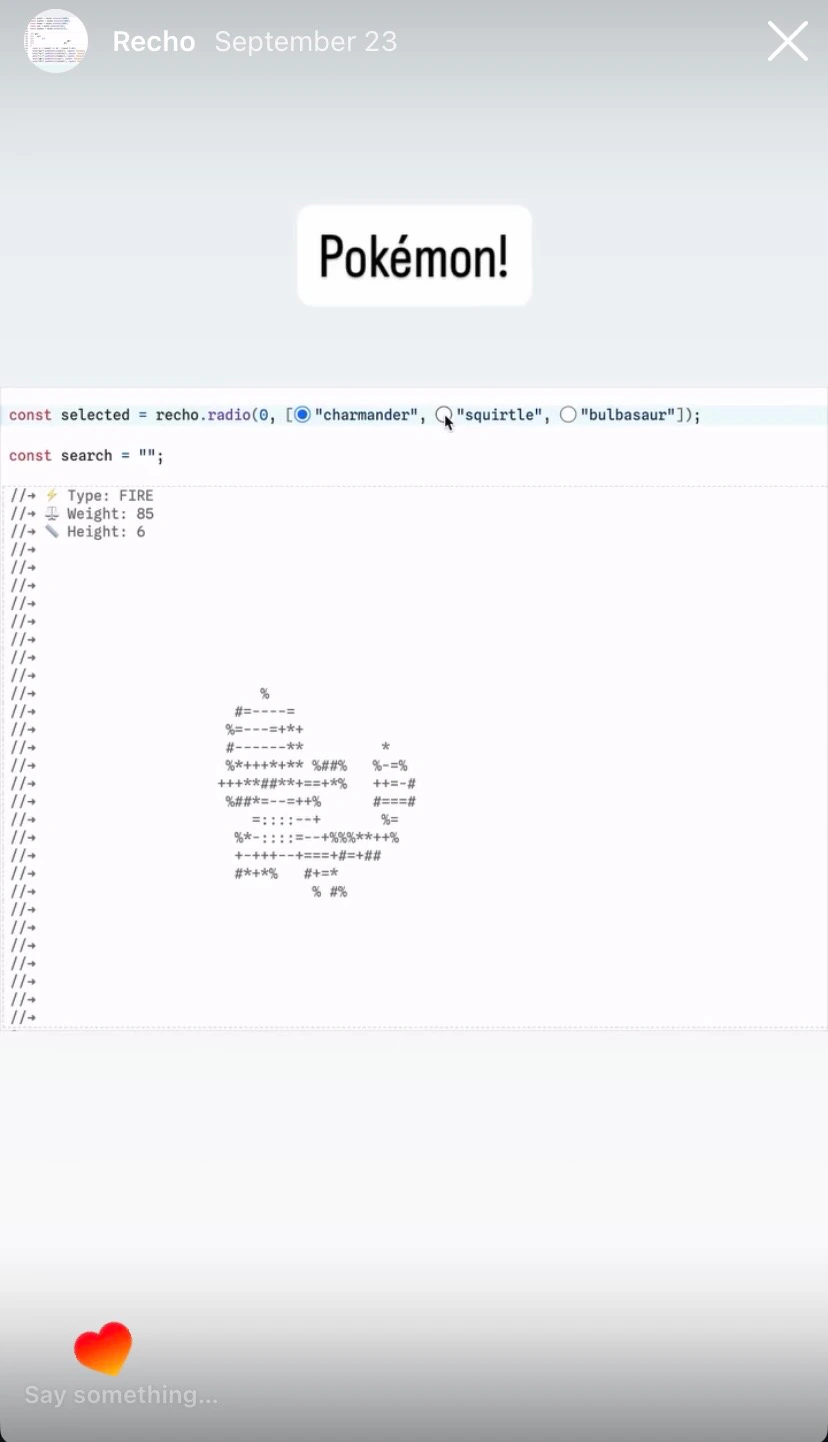
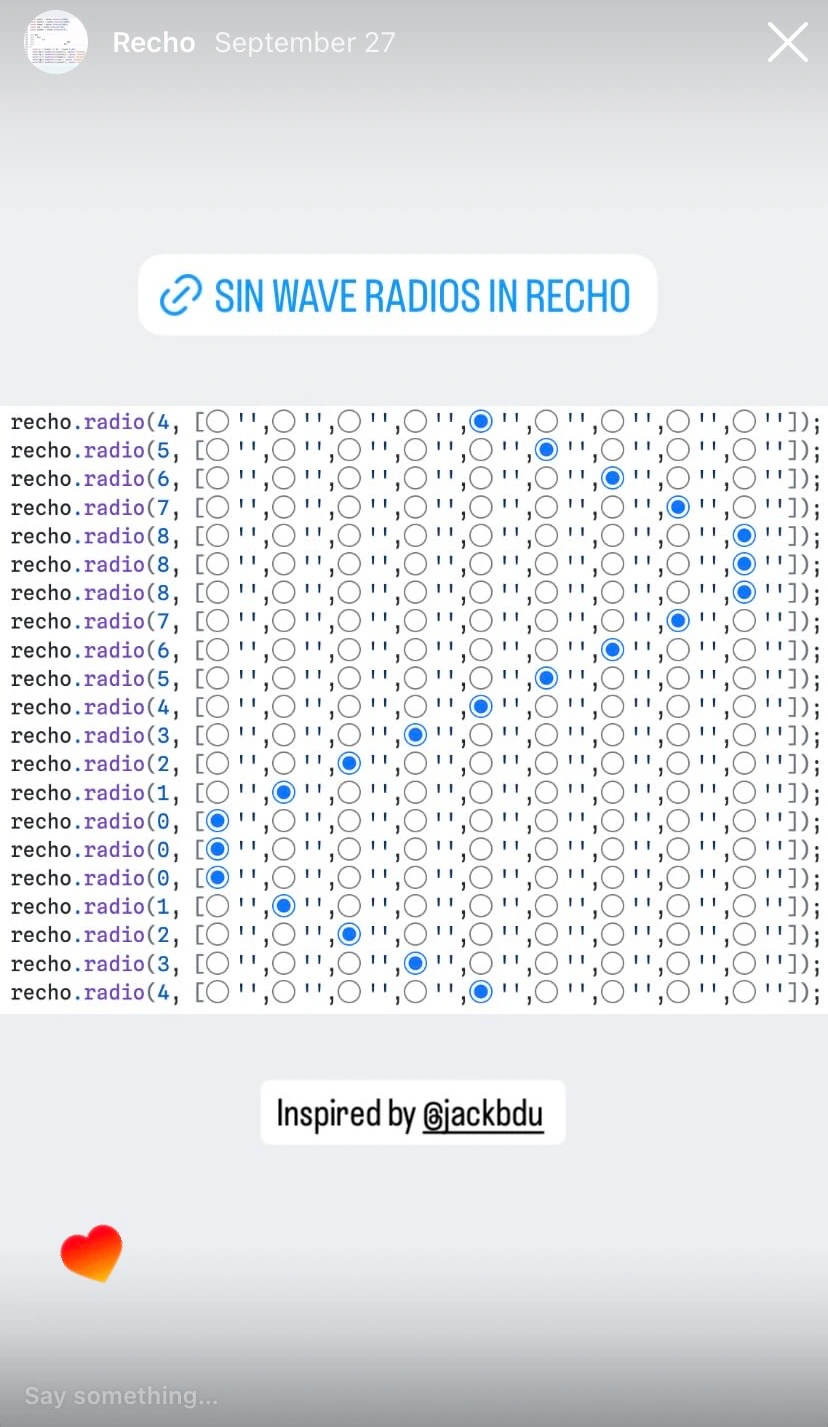
Maze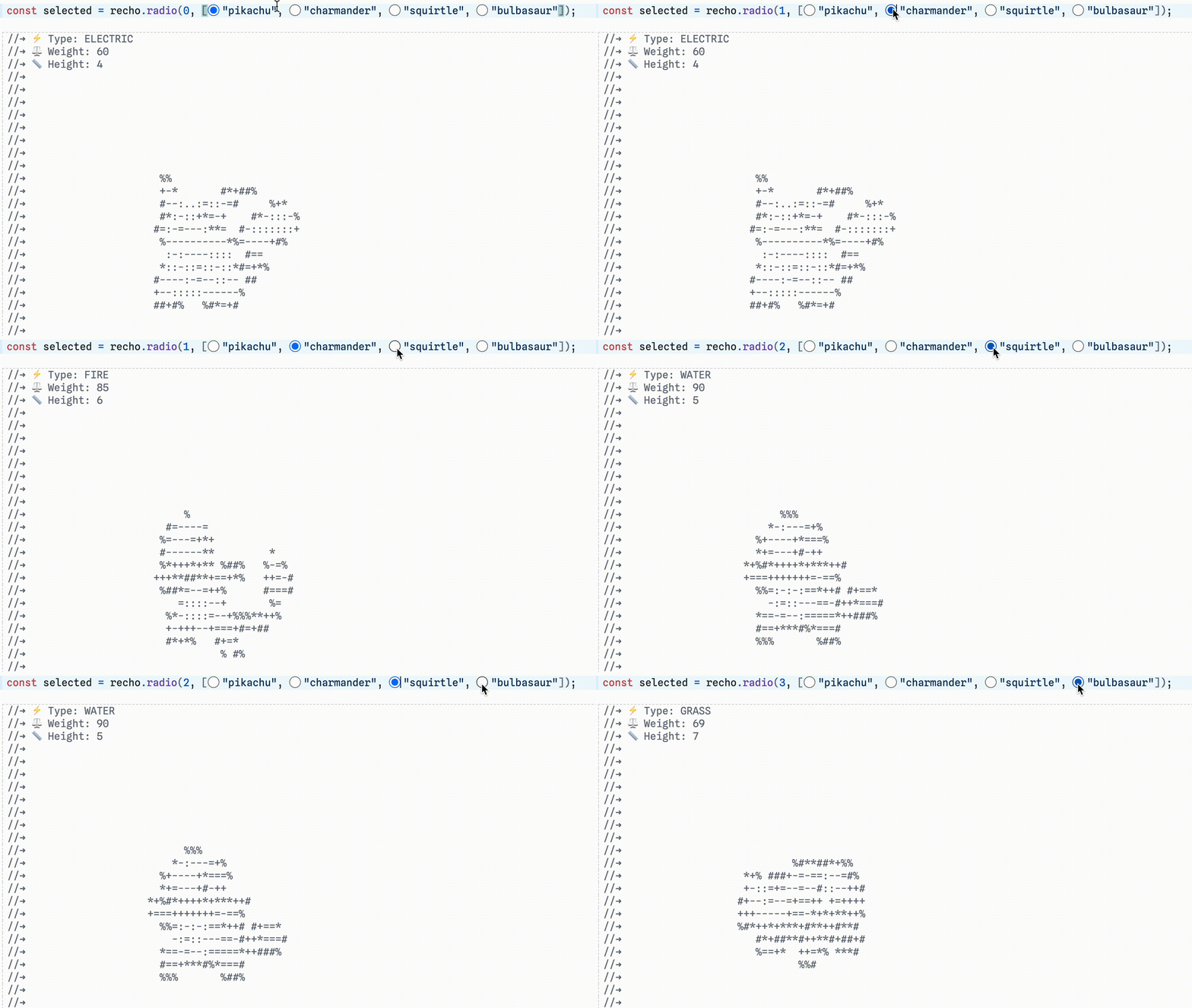 Select Pokemon with recho.radio
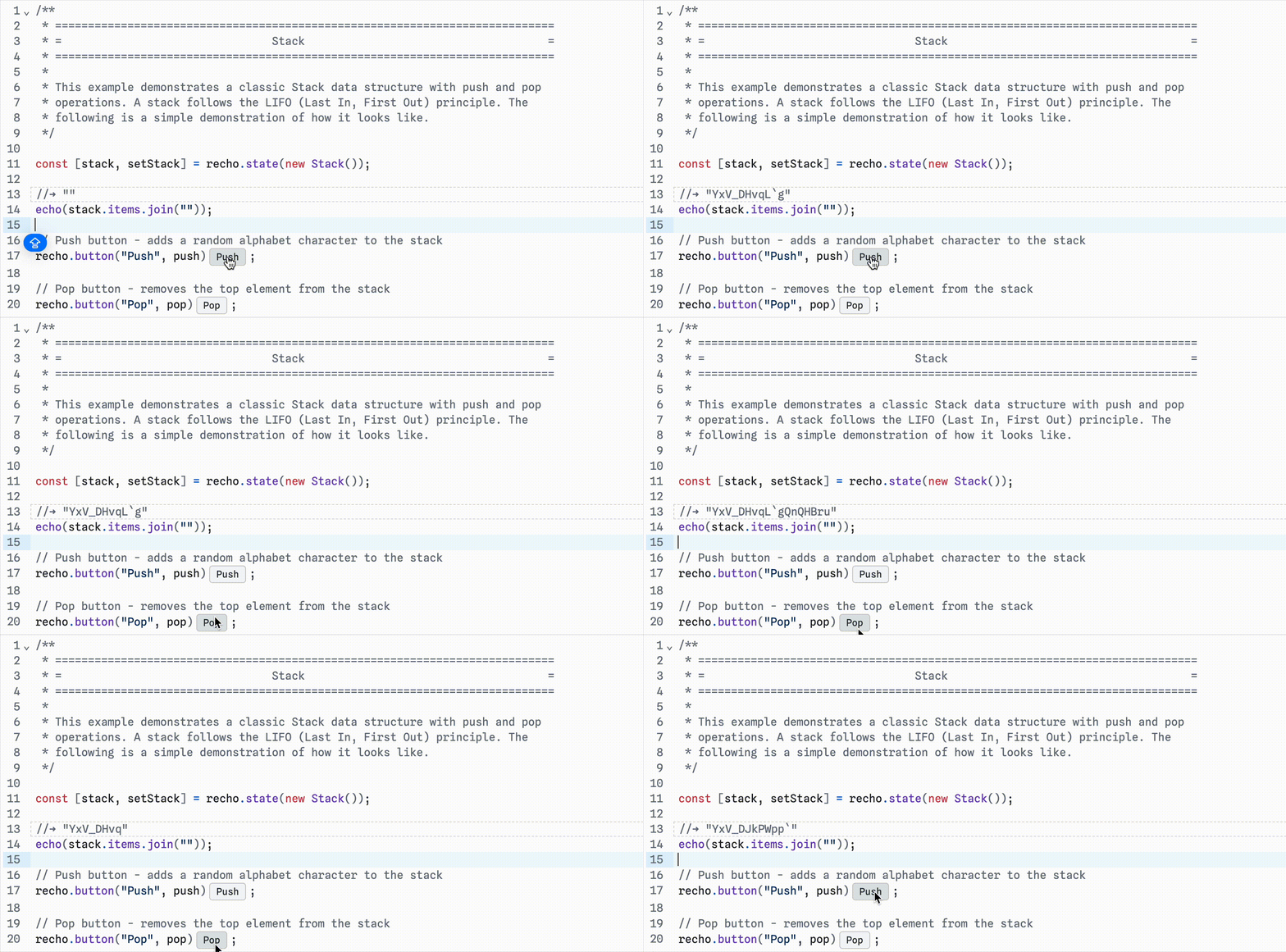 Visualize Stack with recho.button
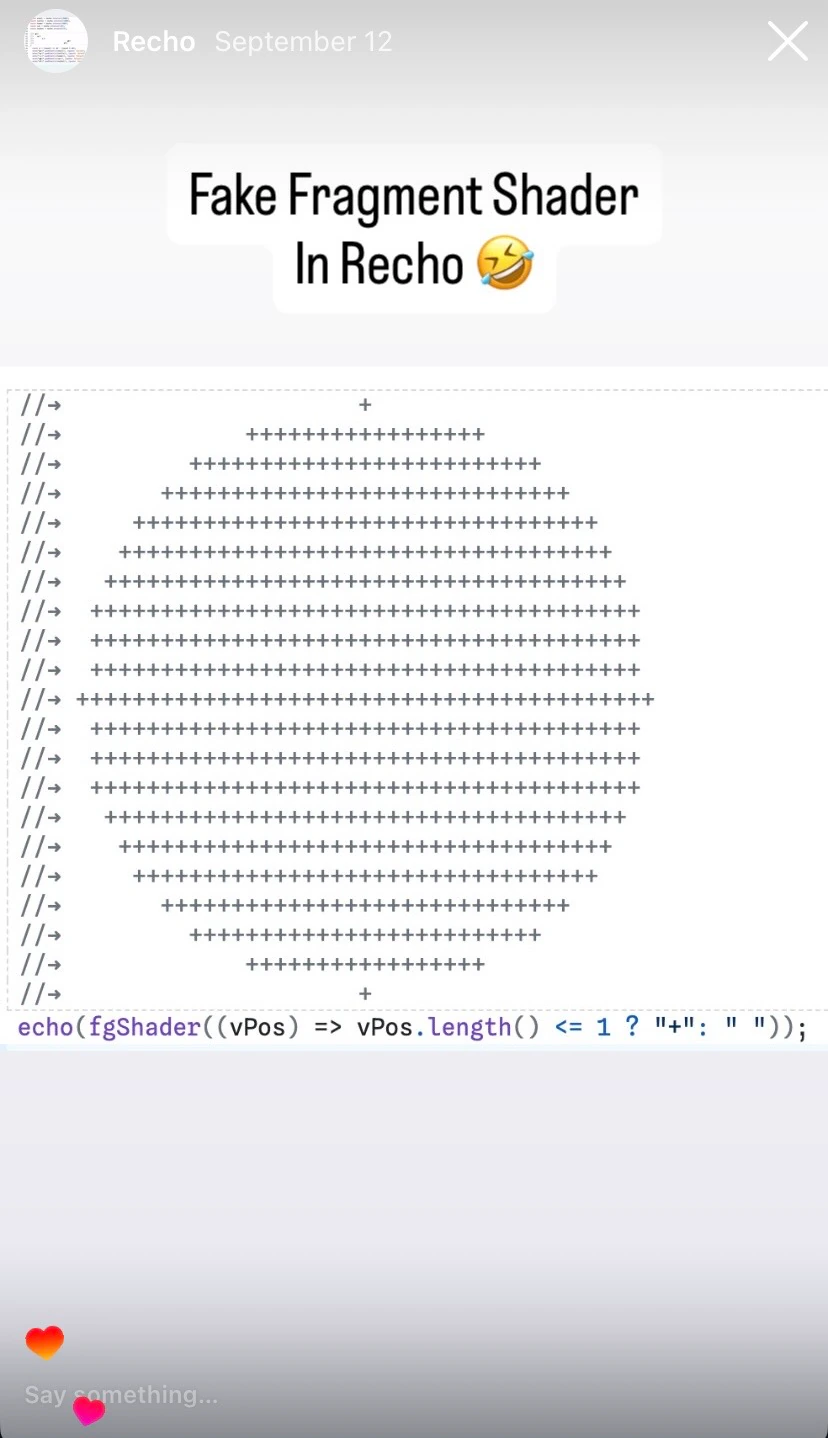
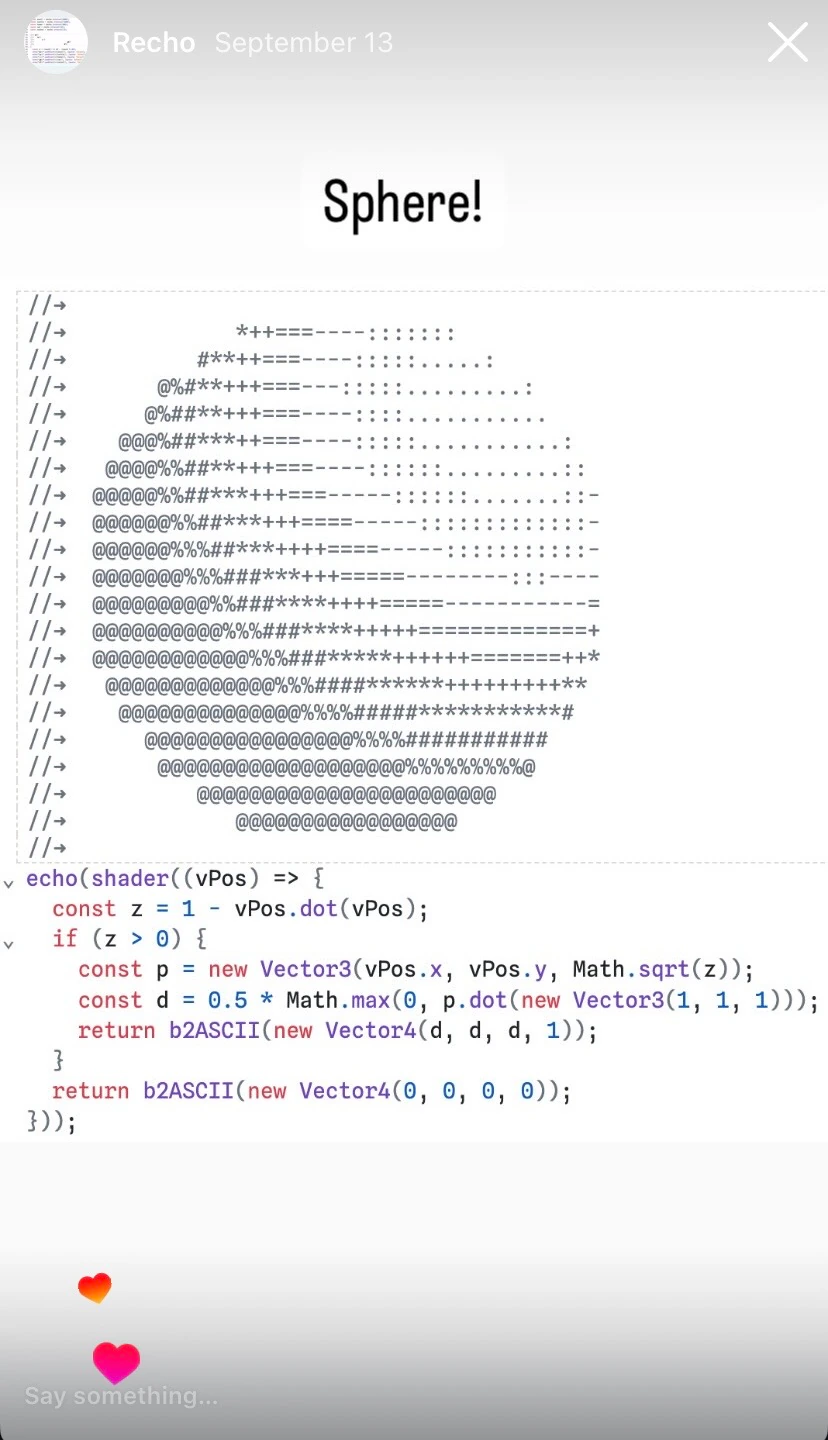
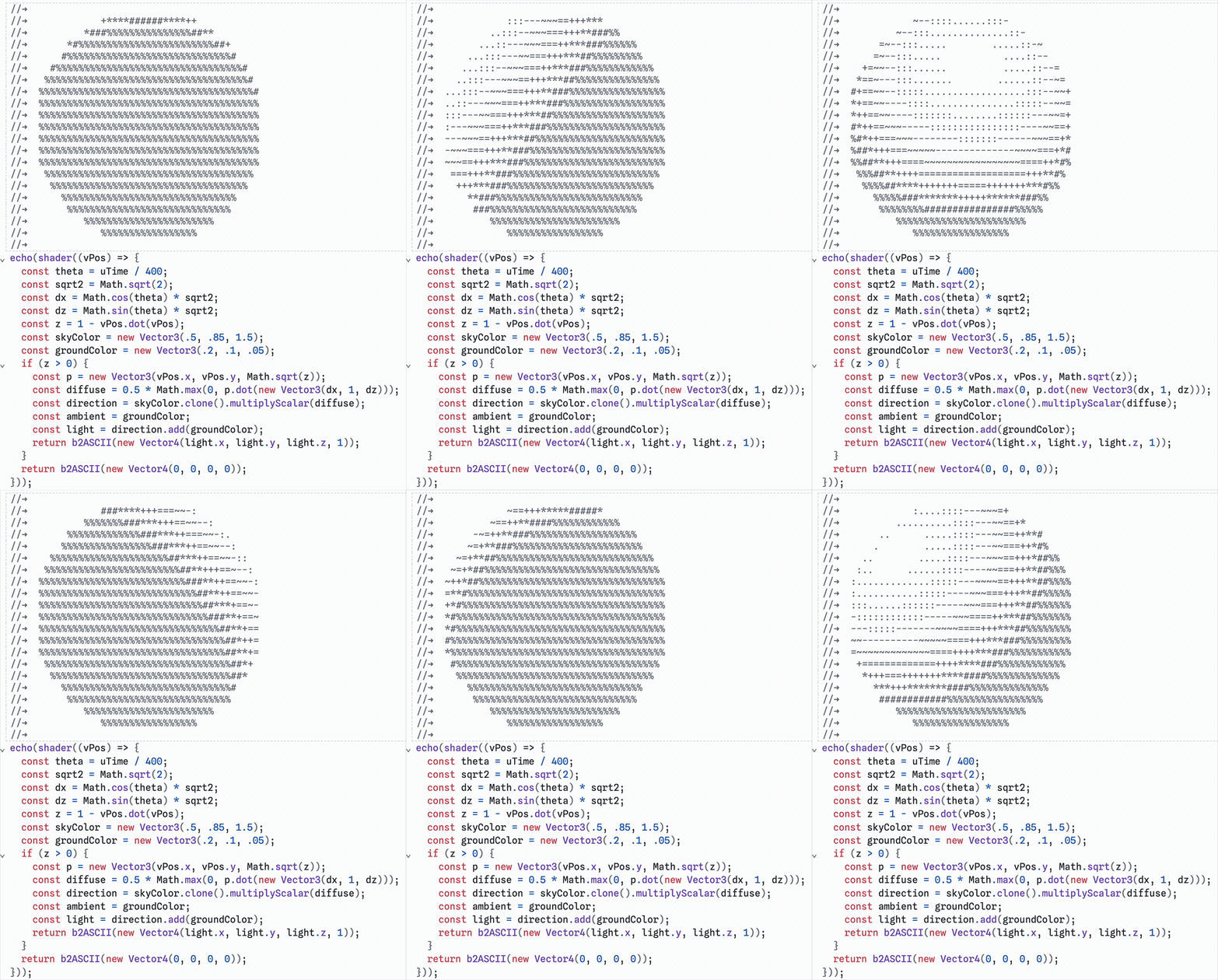 CG: Text-Based Shaders
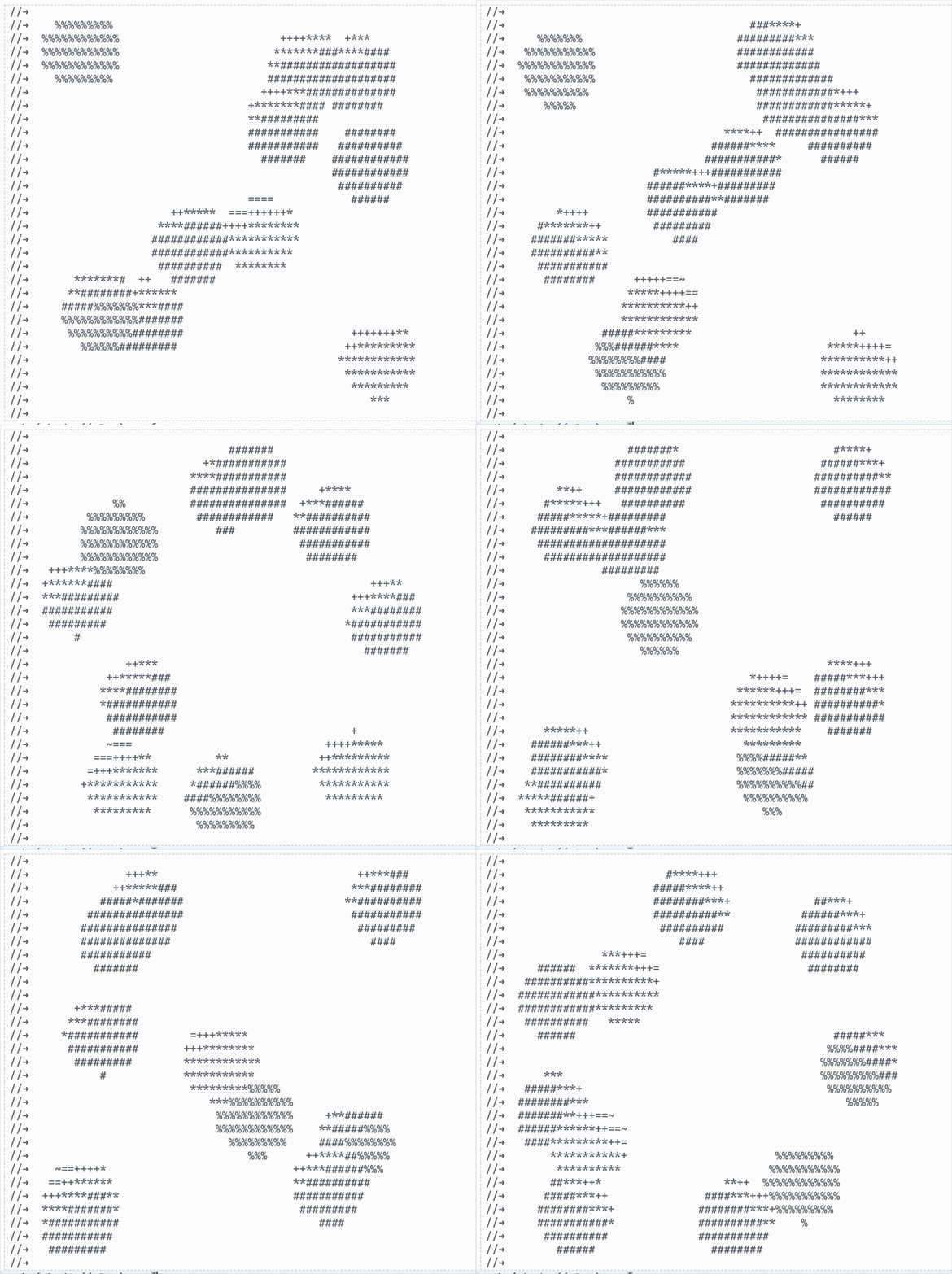 More Spheres with more Lights
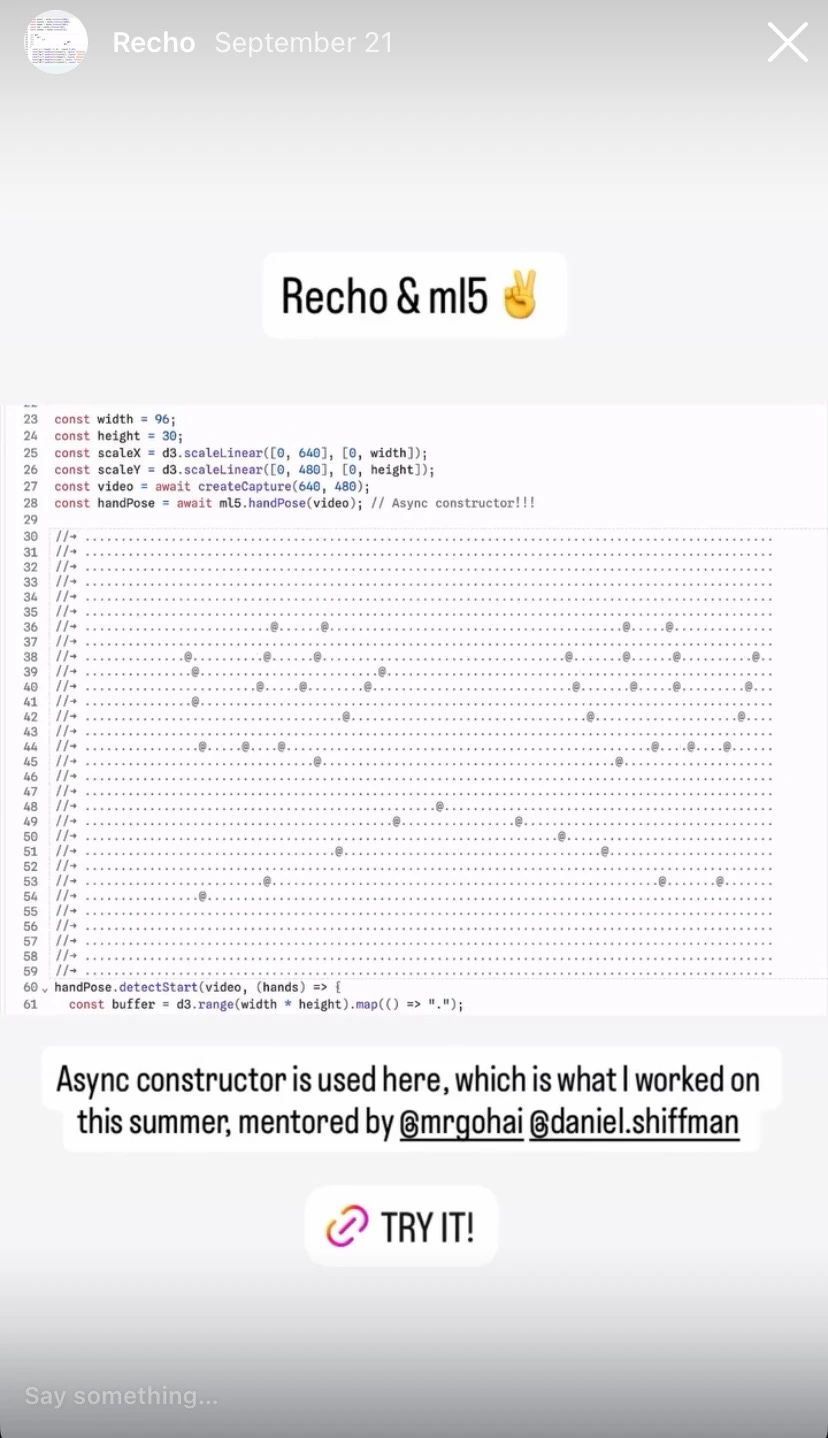
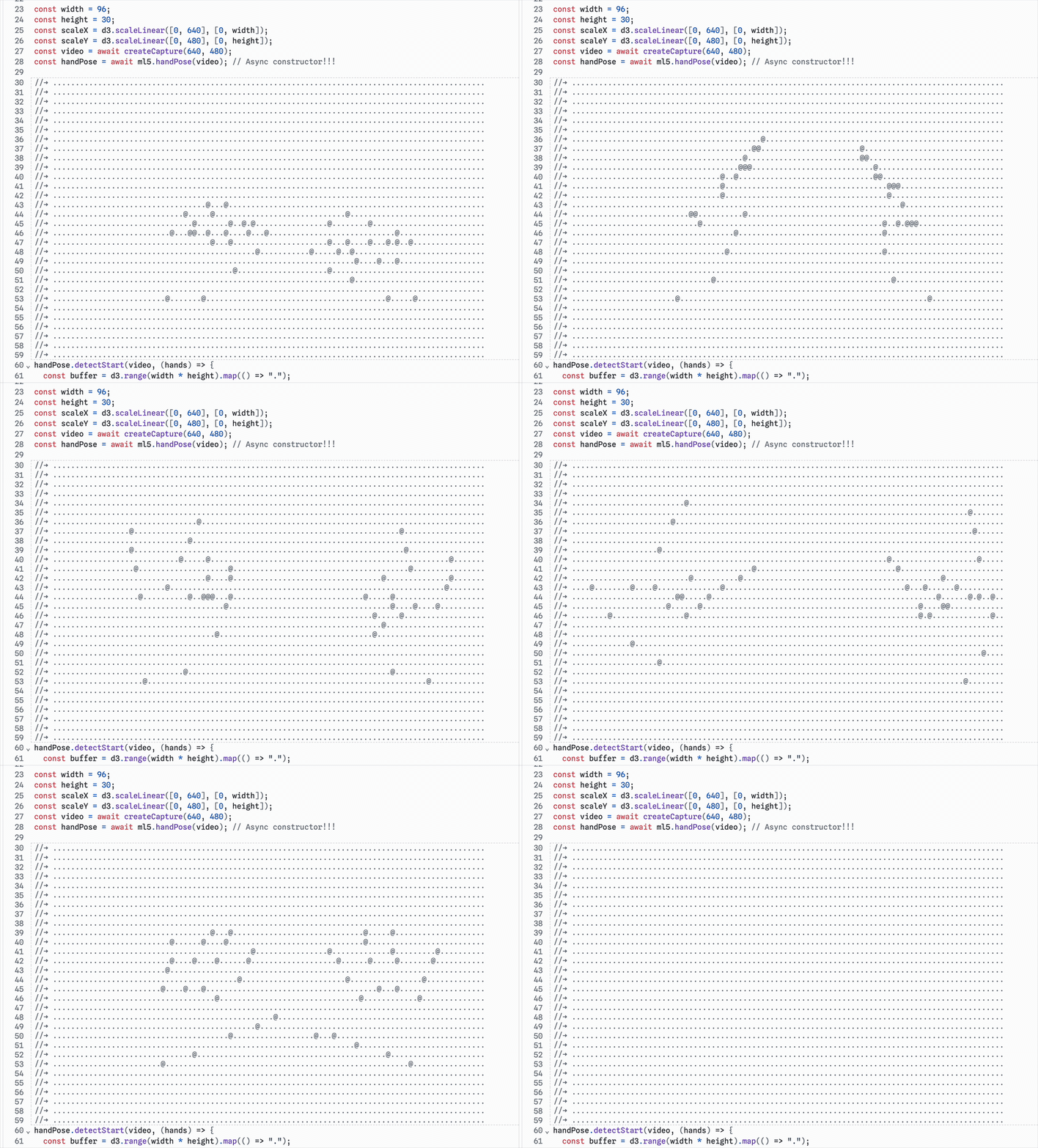 ASCII Hands with Ml5.js HandPose
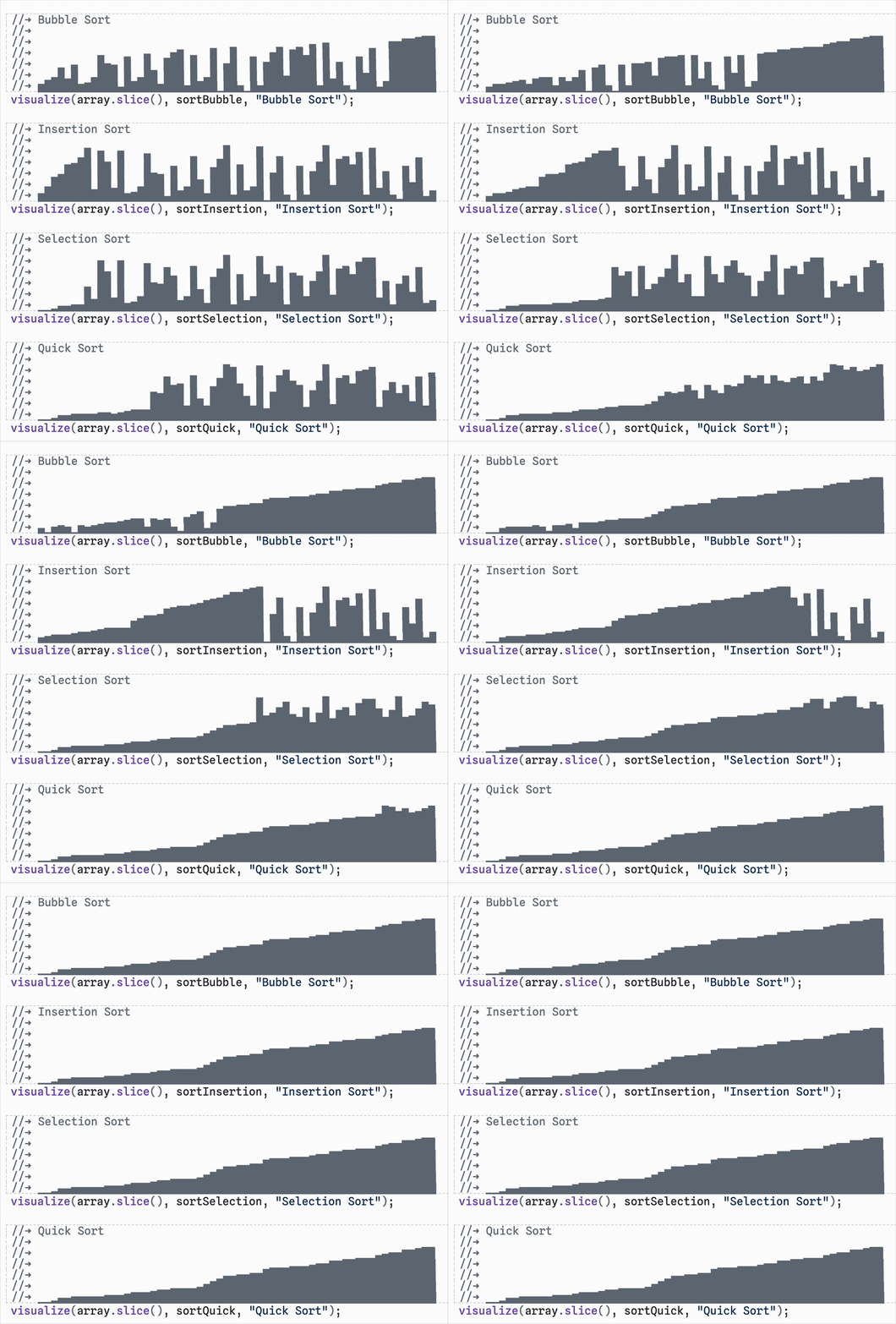 Sorting Algorithms
CHI 2026
We presented Recho at CHI 2026 in Barcelona. It's great to see people interested in the project. The poster session was a lot of fun.
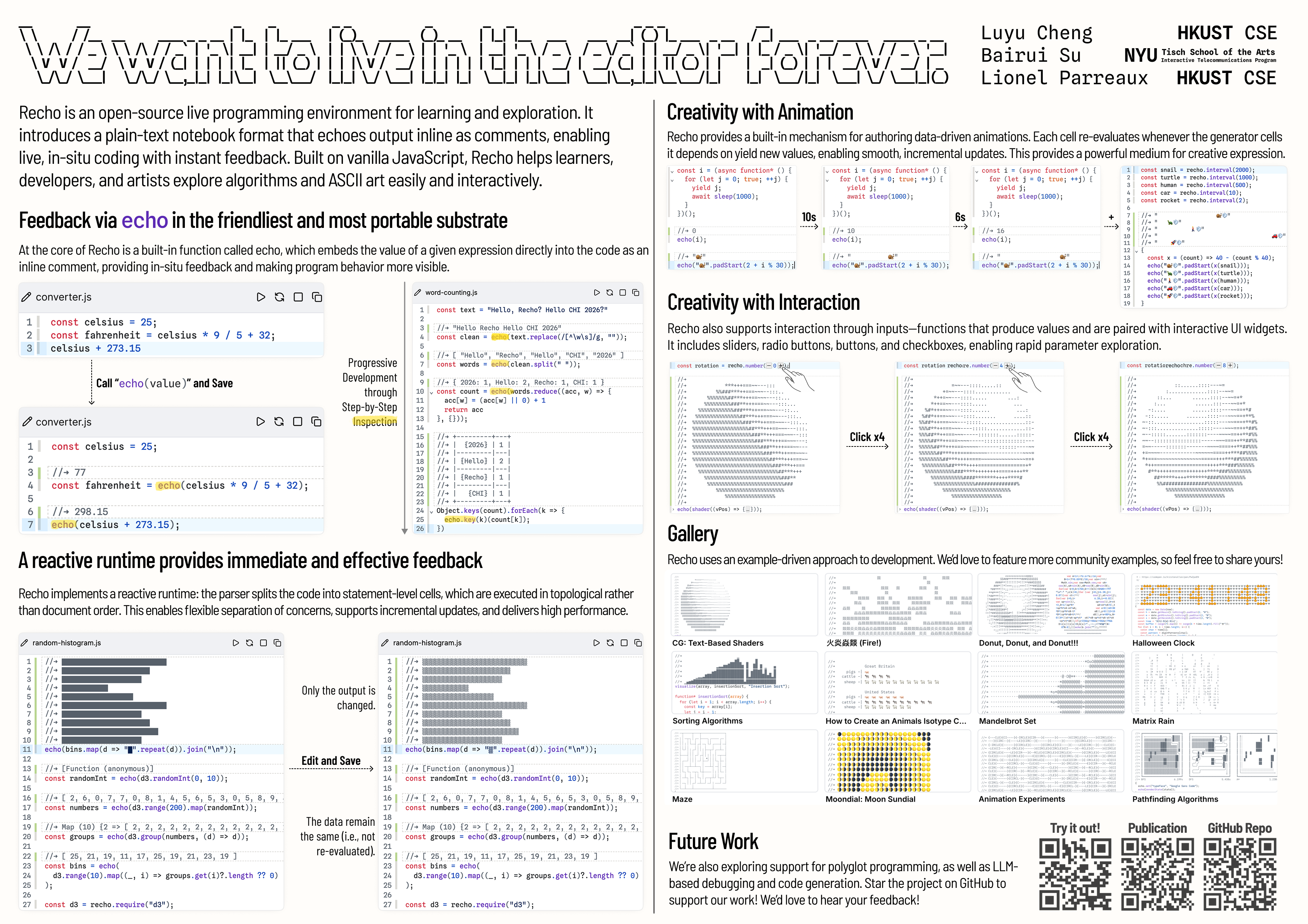 CHI 2026 poster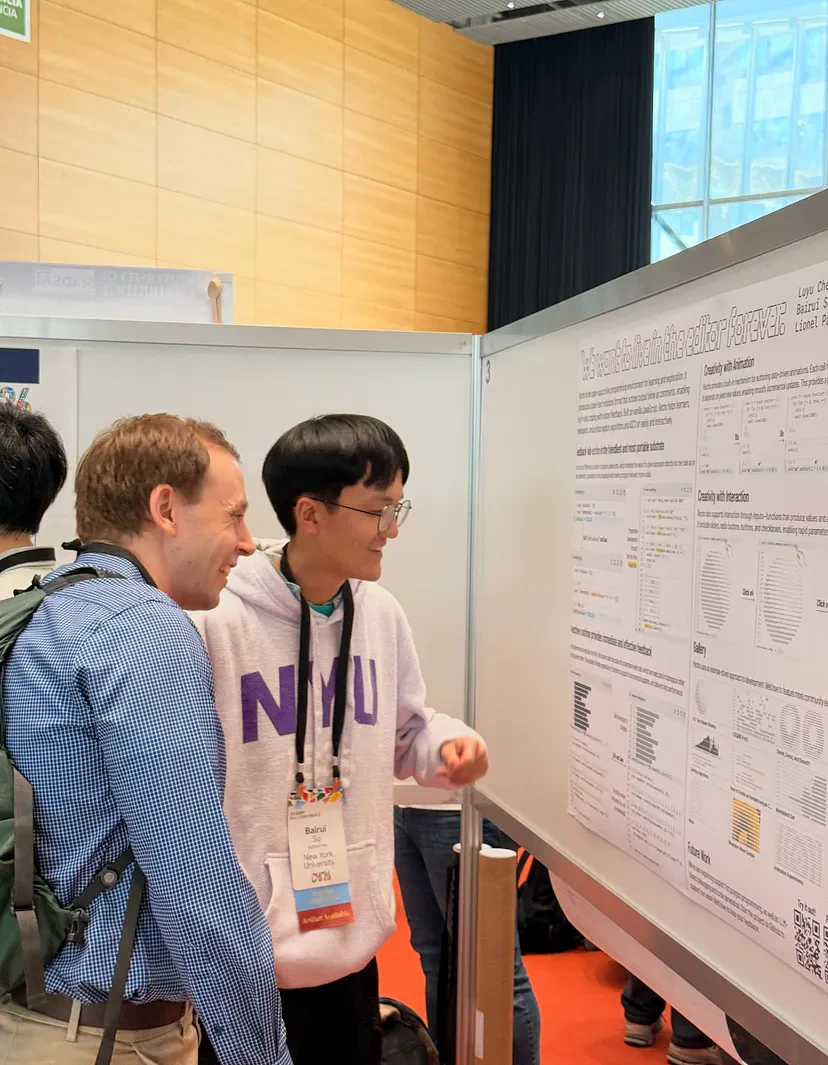



Workshop
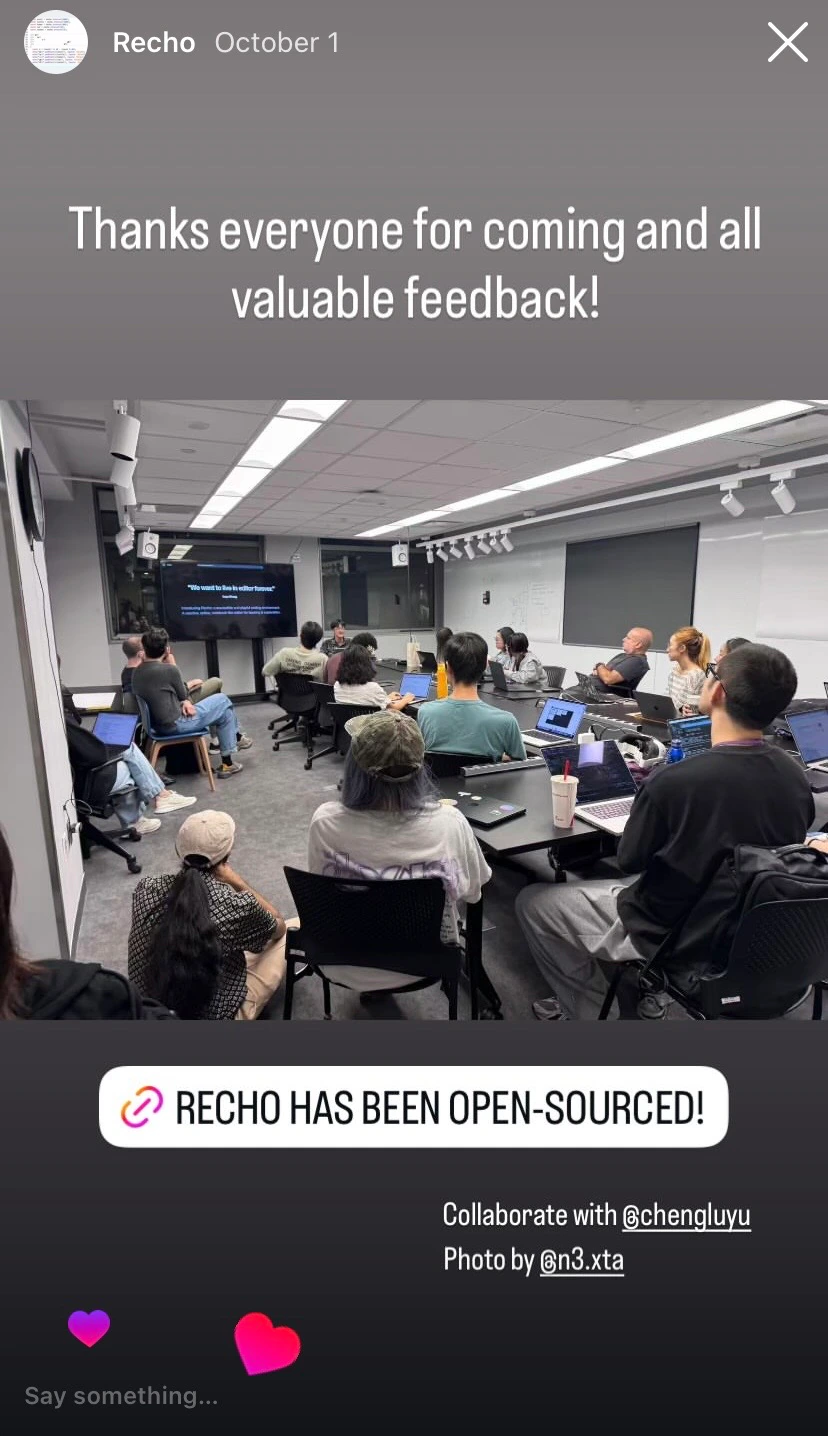
A workshop hosted by ITP Open Source Club. Thanks Mumu for the poster. Most people were more interested in the computational side than ASCII art.
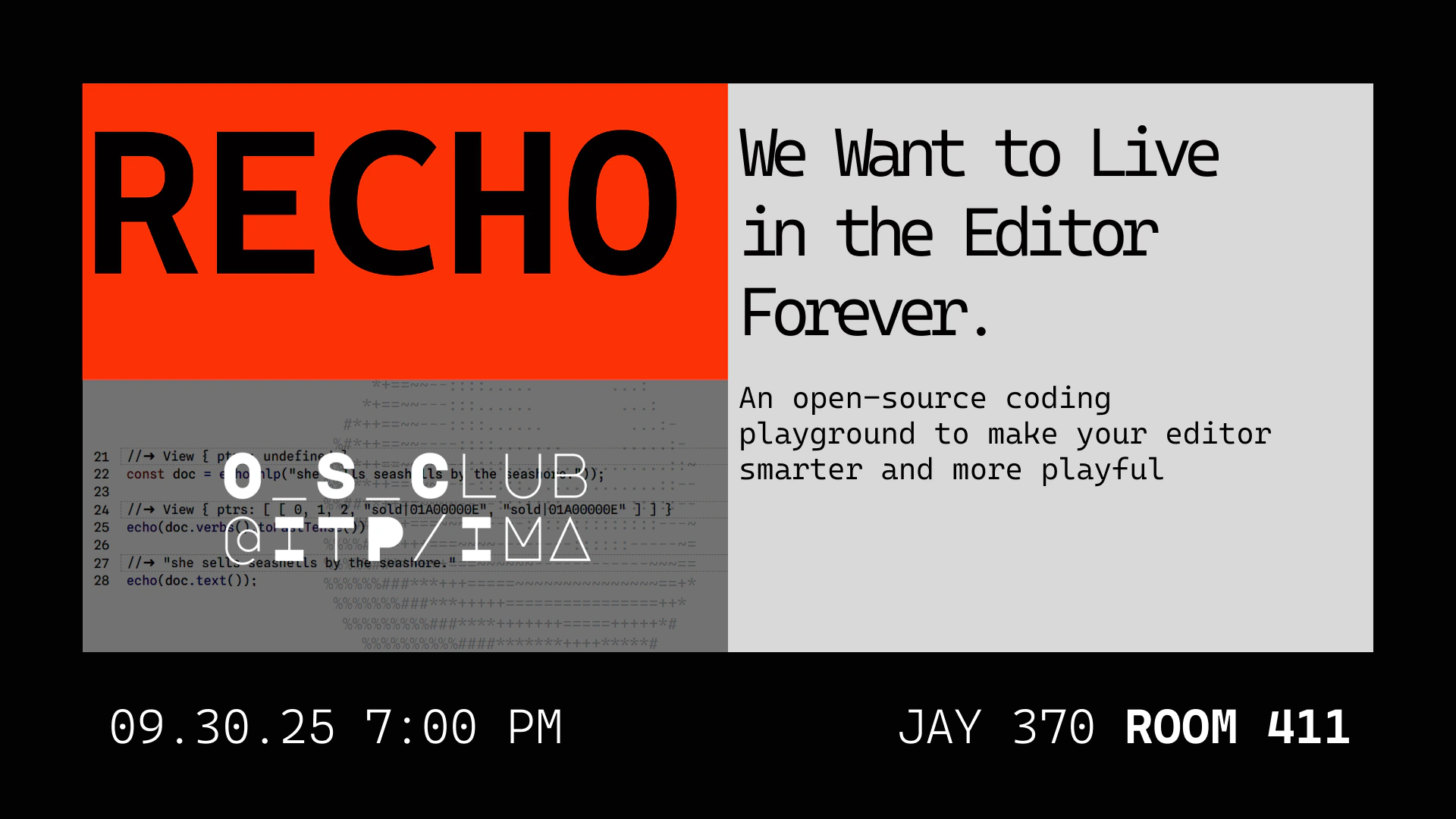 Poster of Recho Workshop
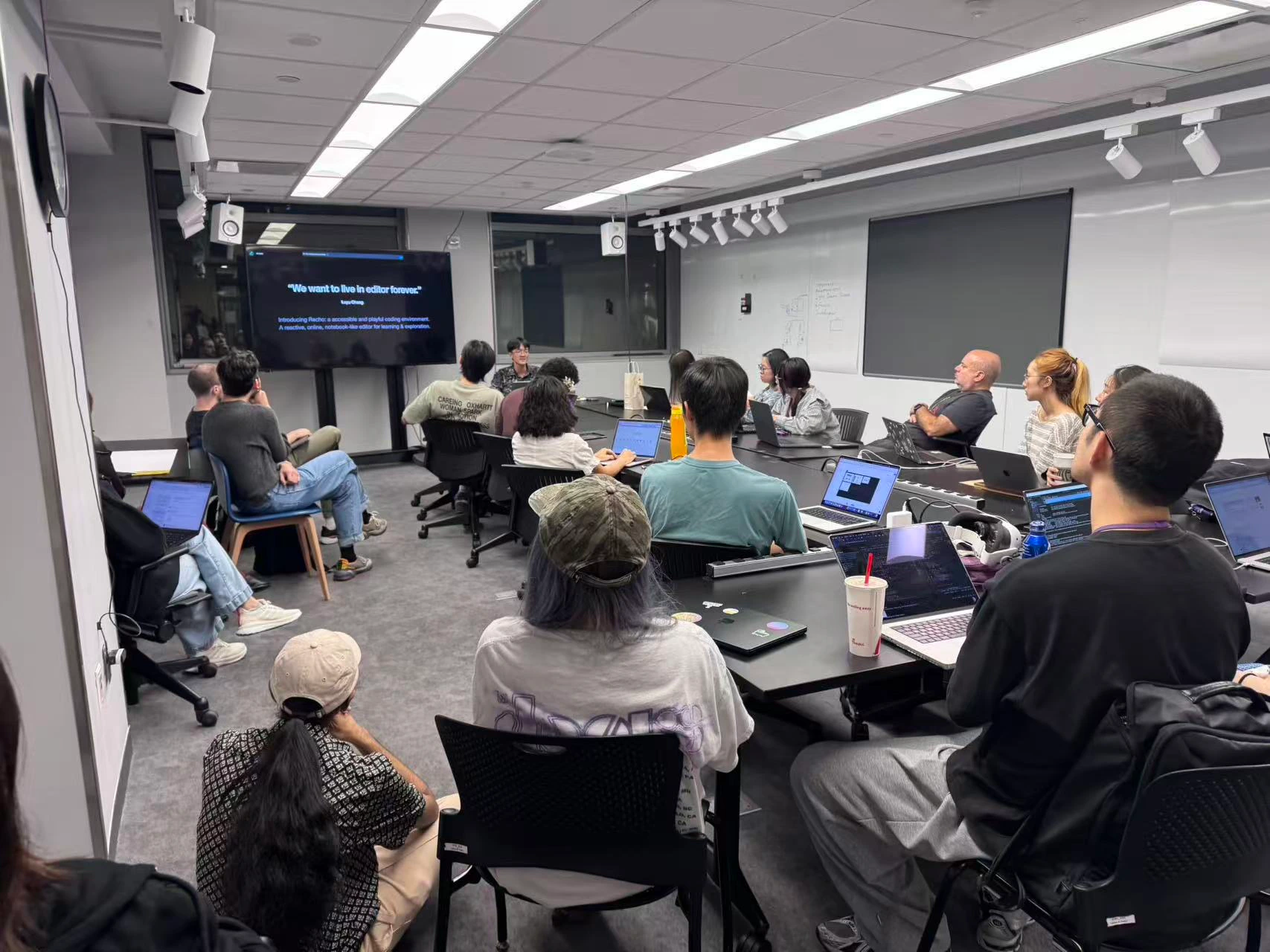 Recho Workshop in ITP Open Source Club
Process
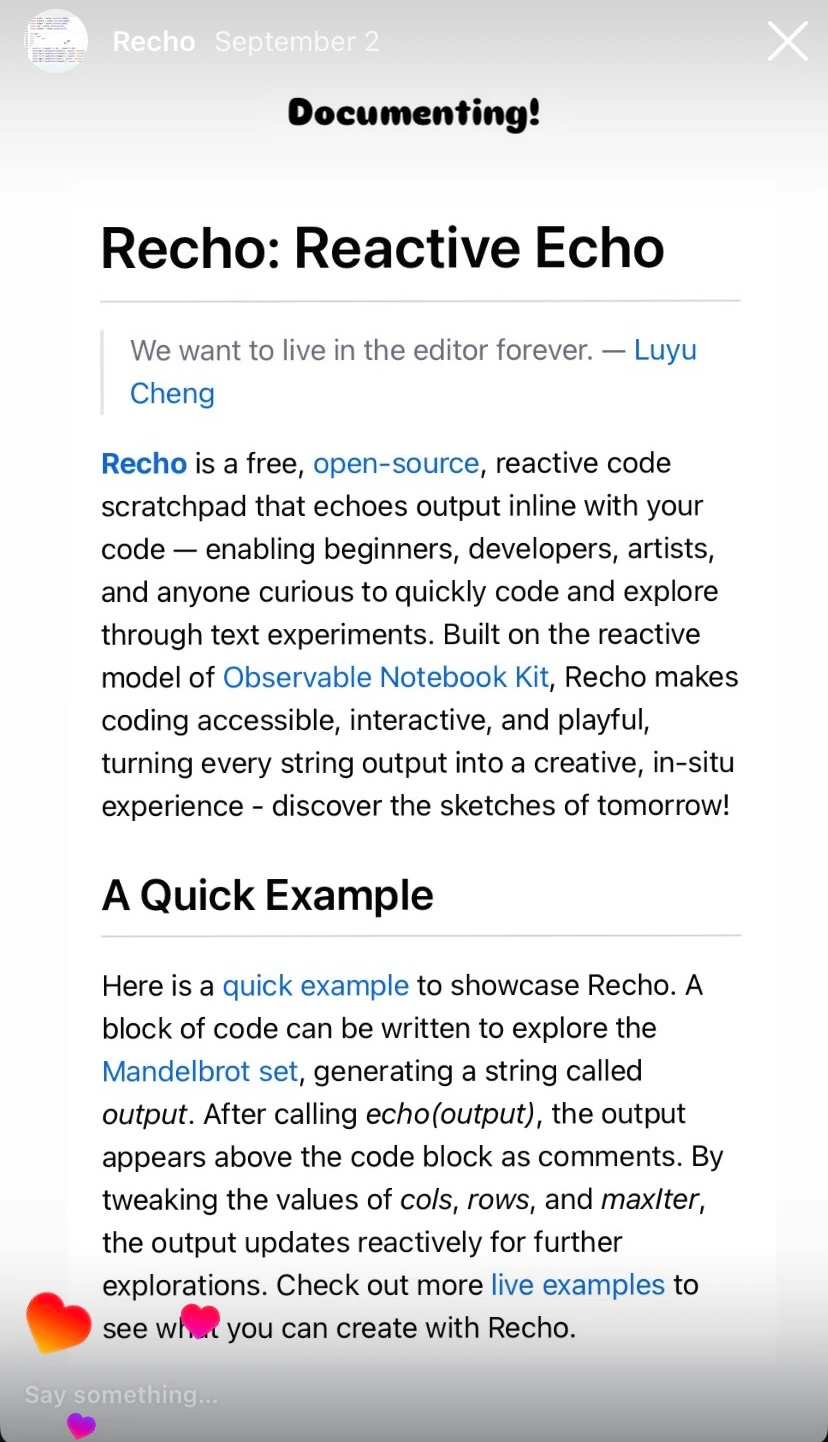
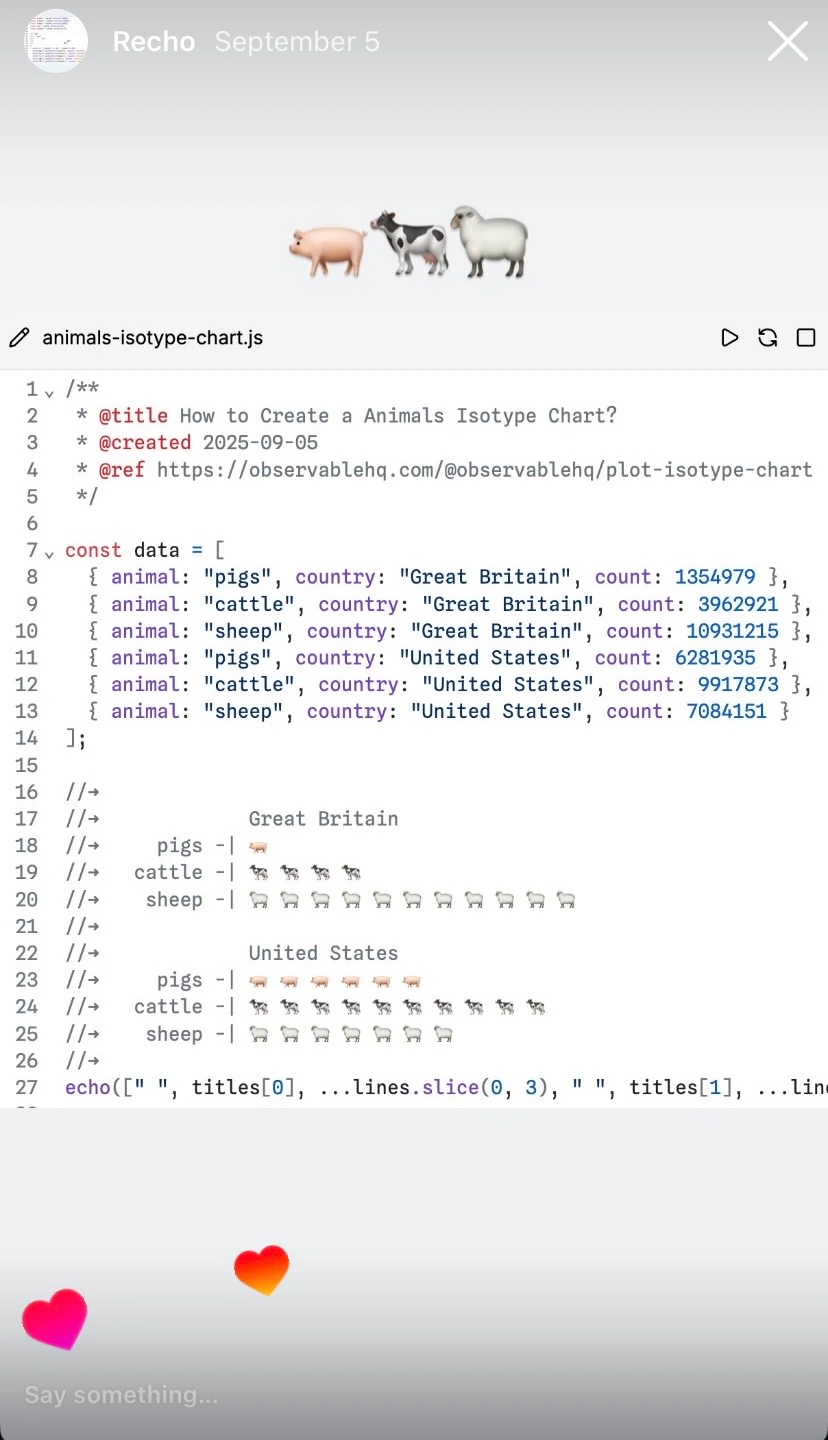
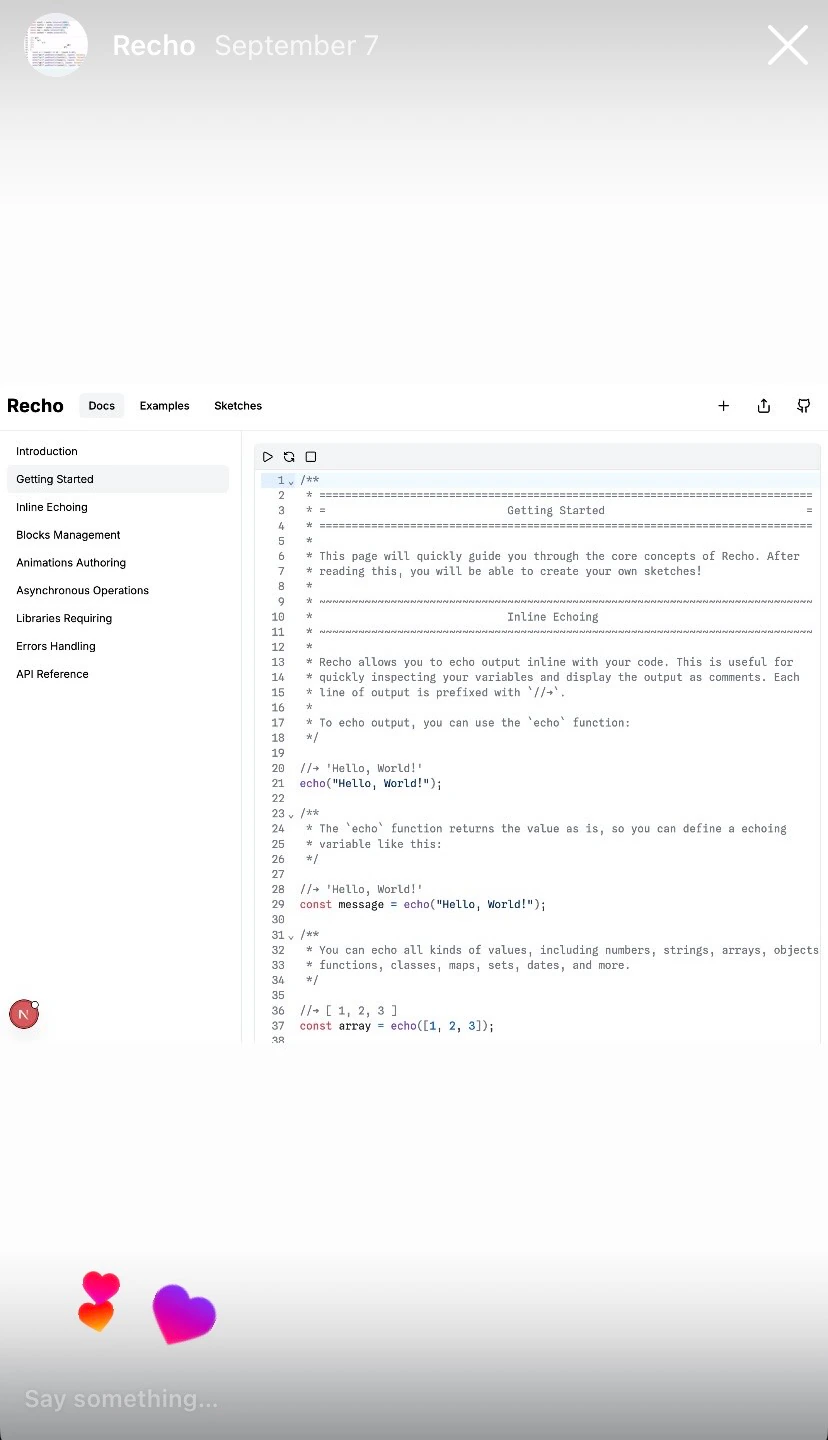
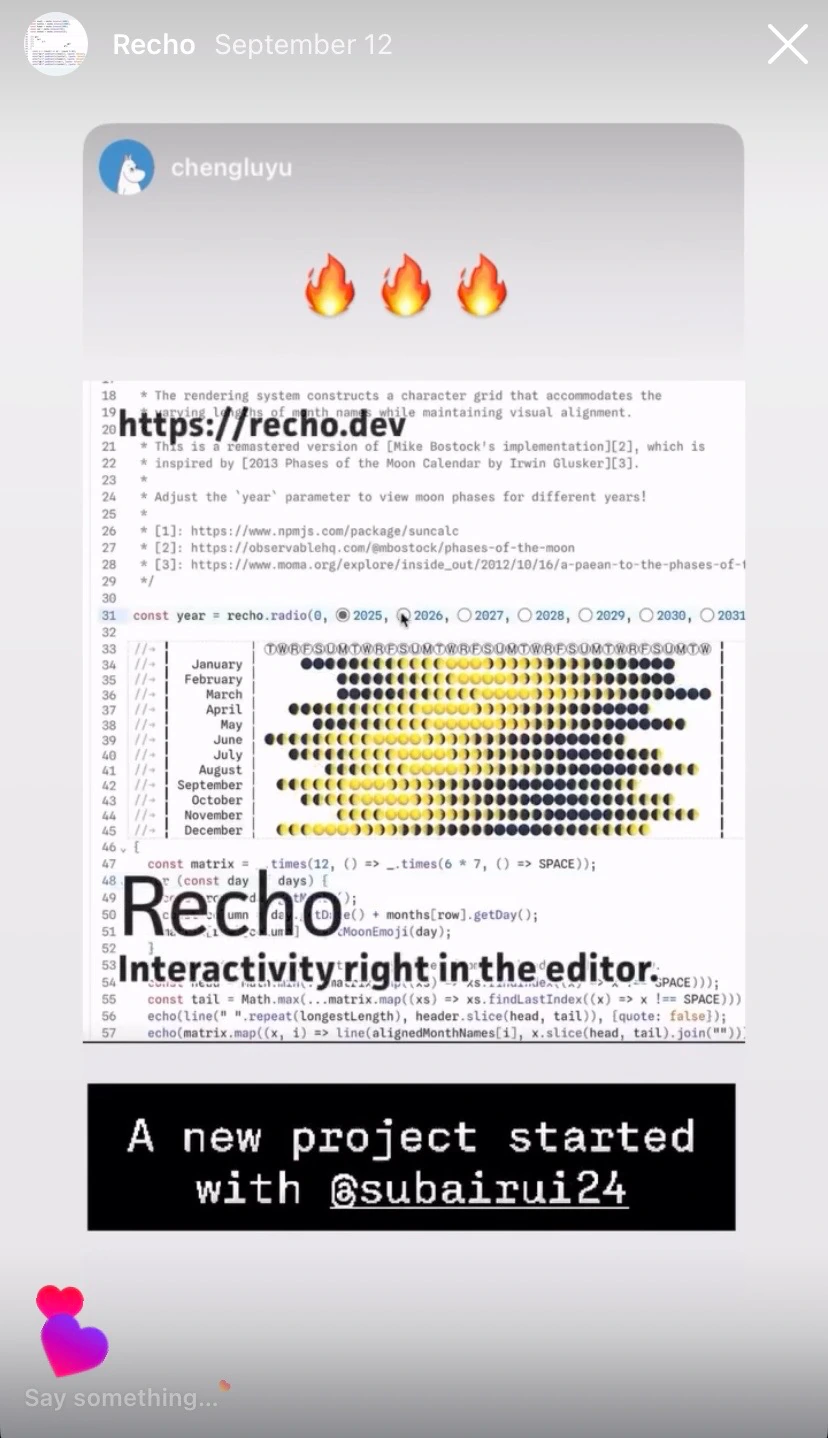
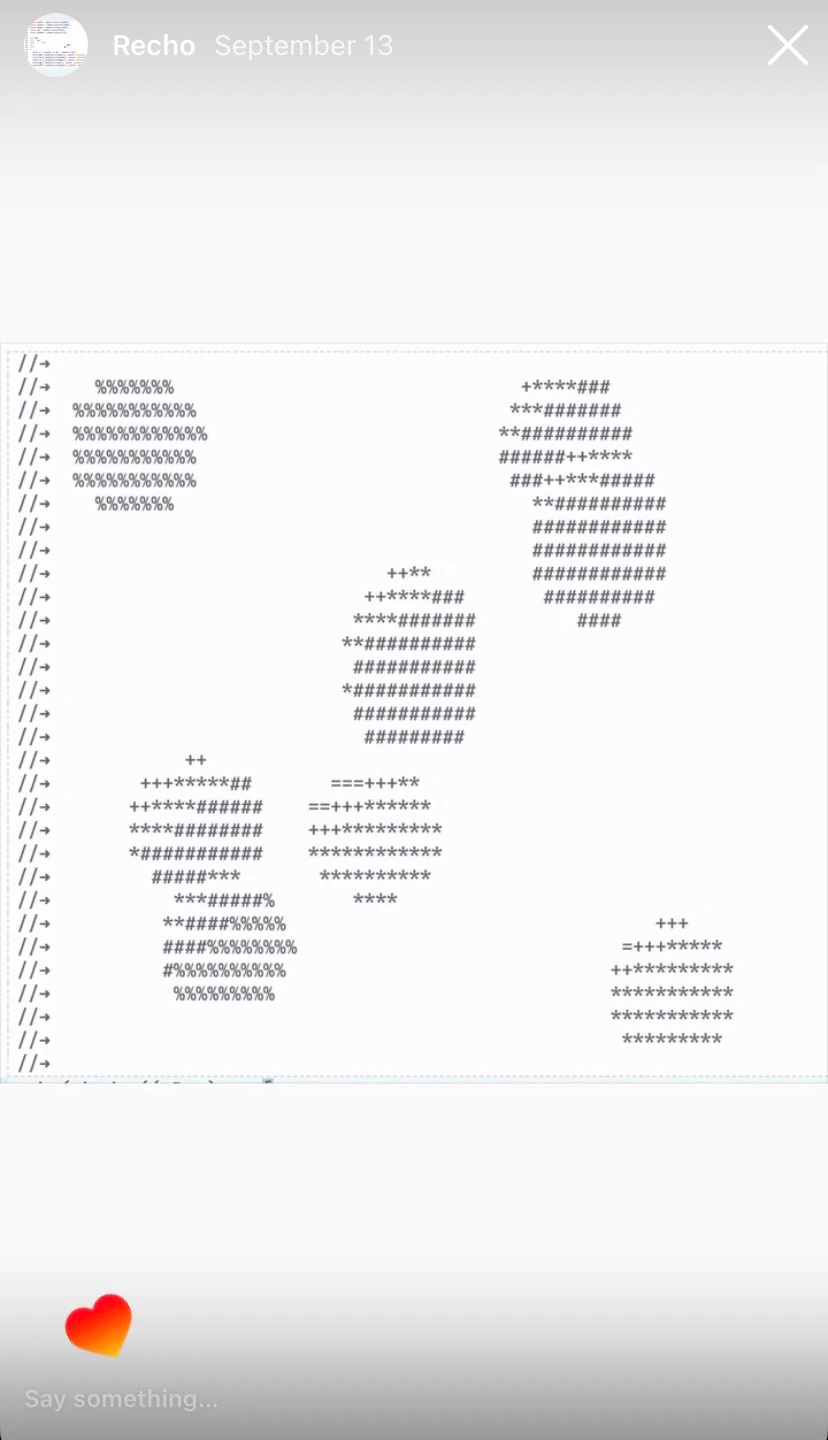
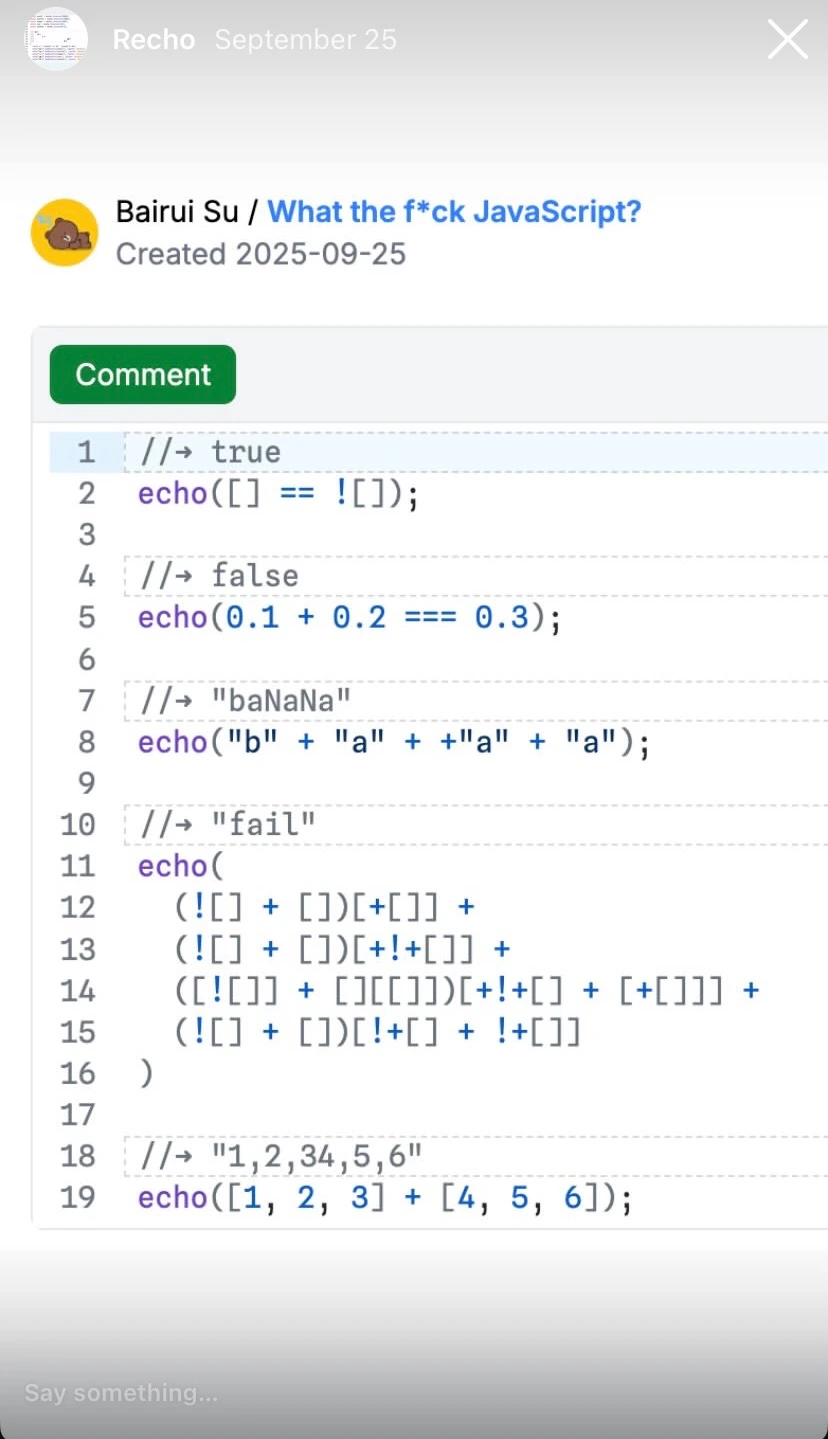
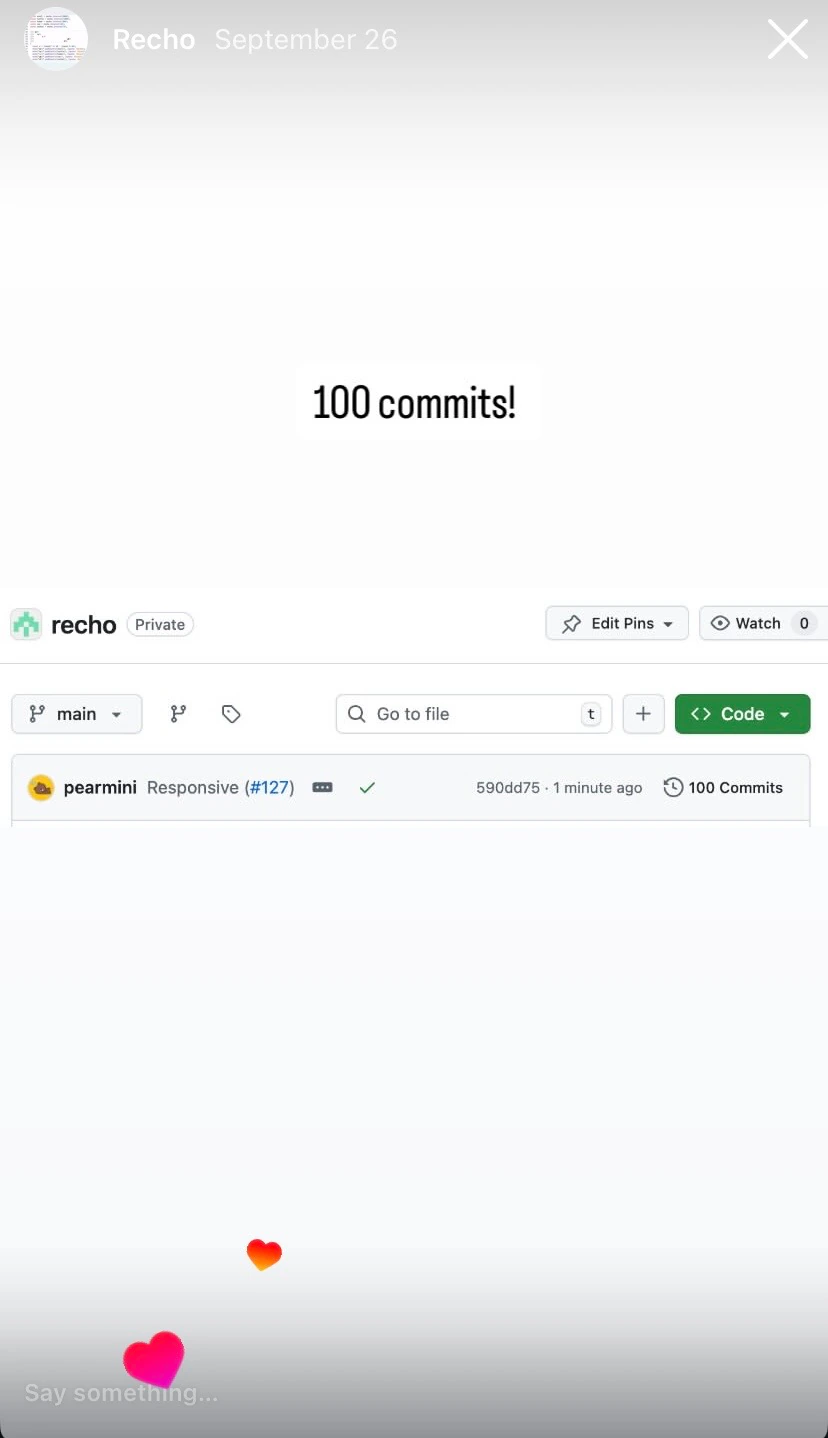
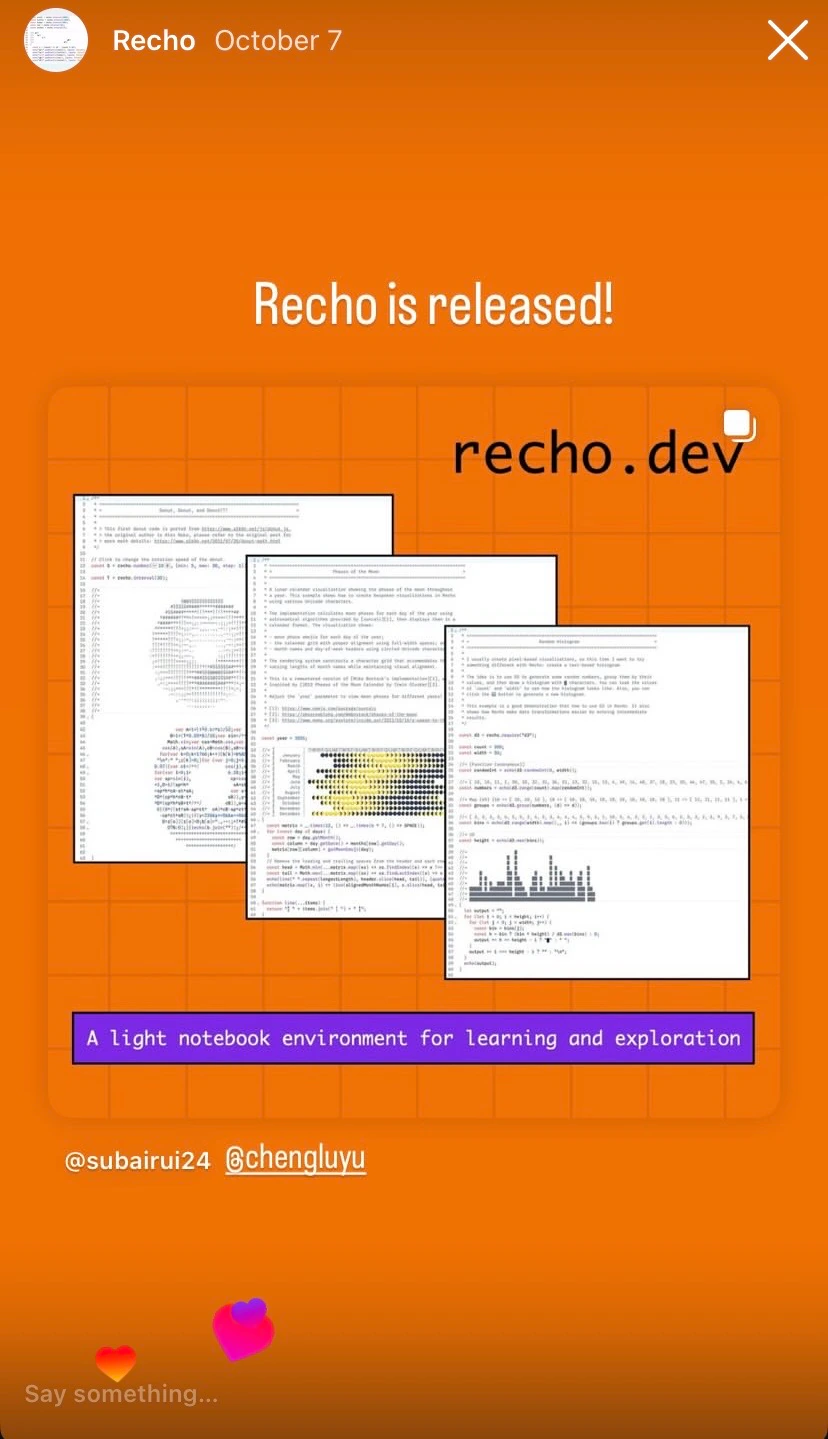
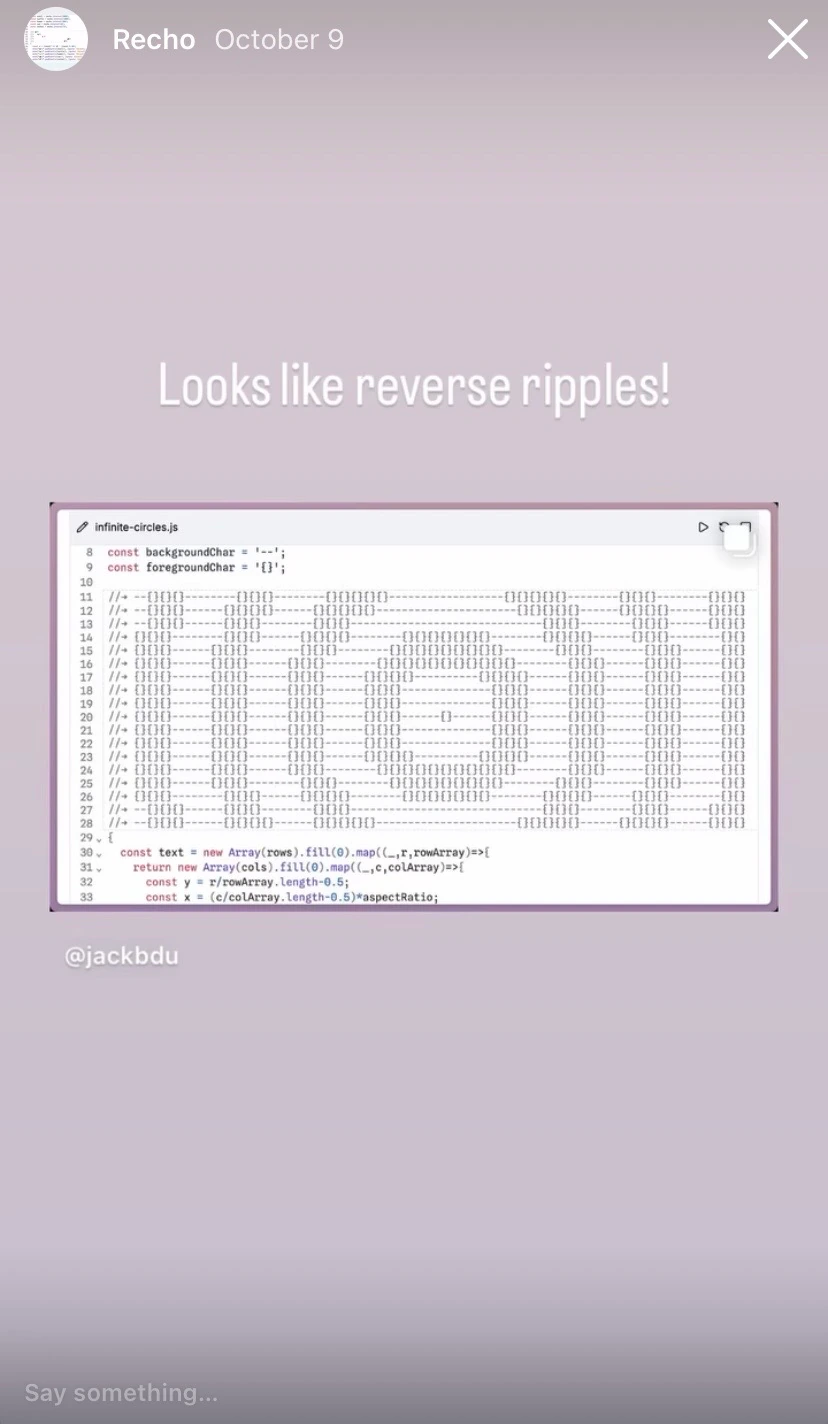
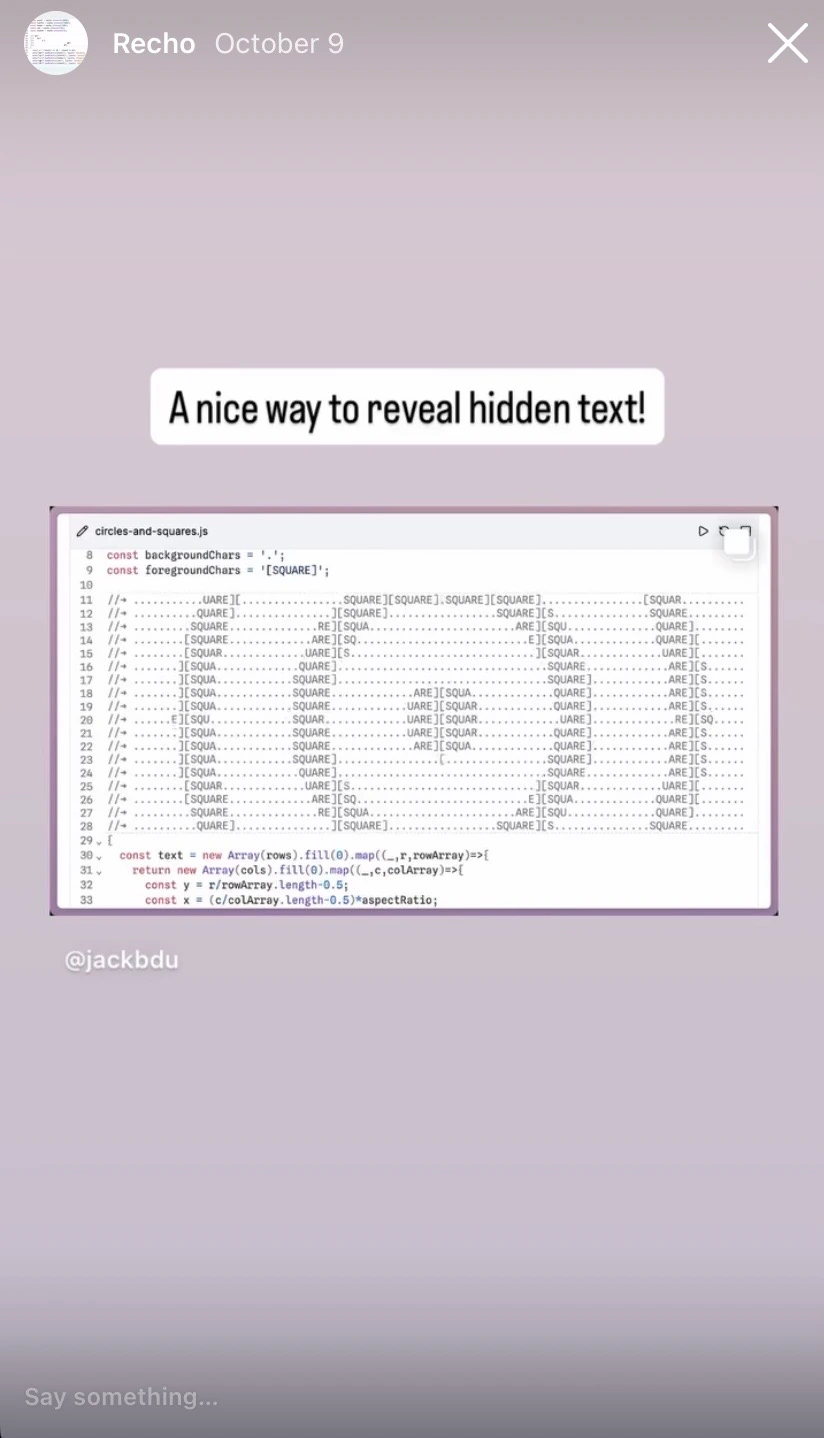
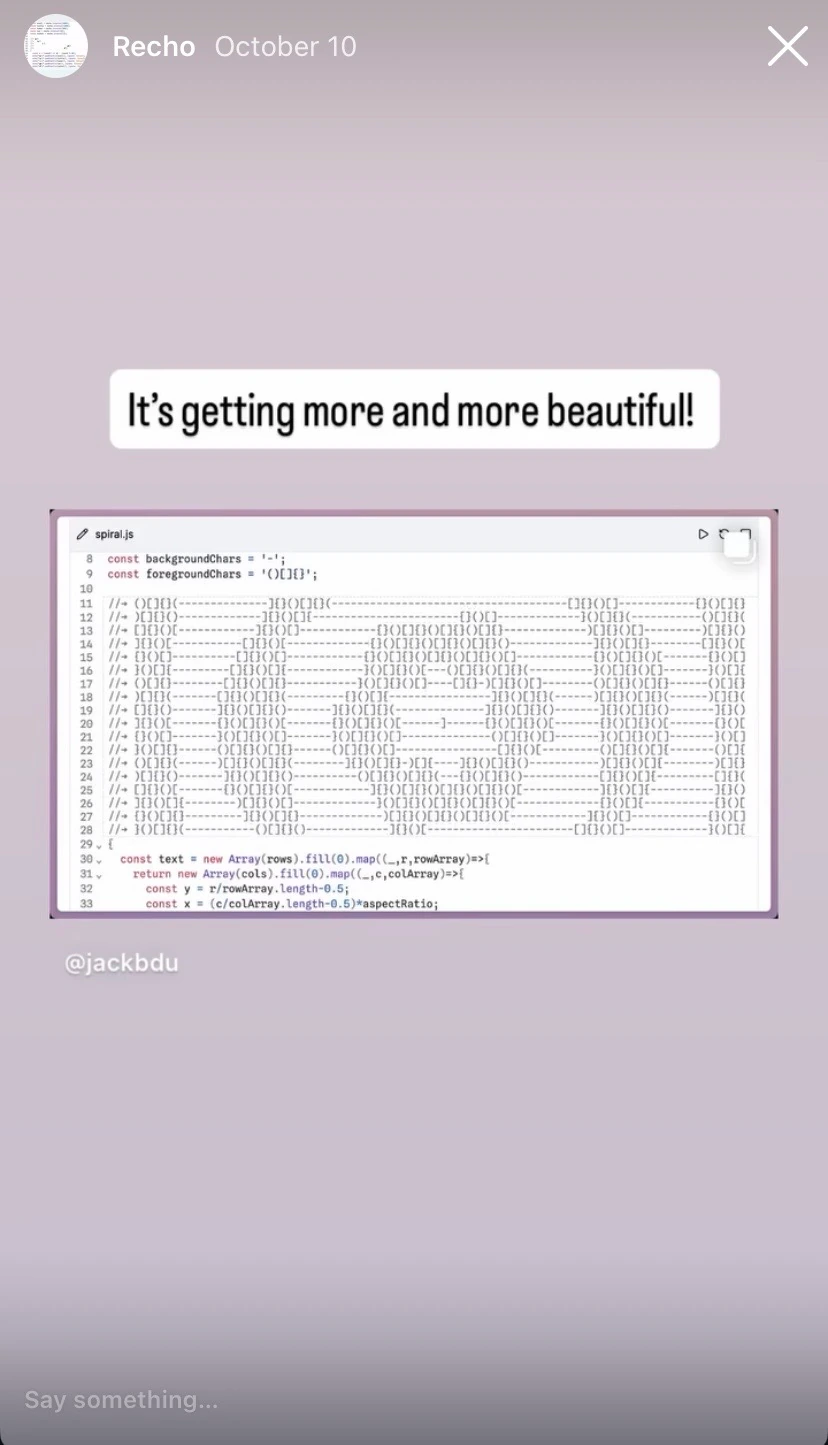
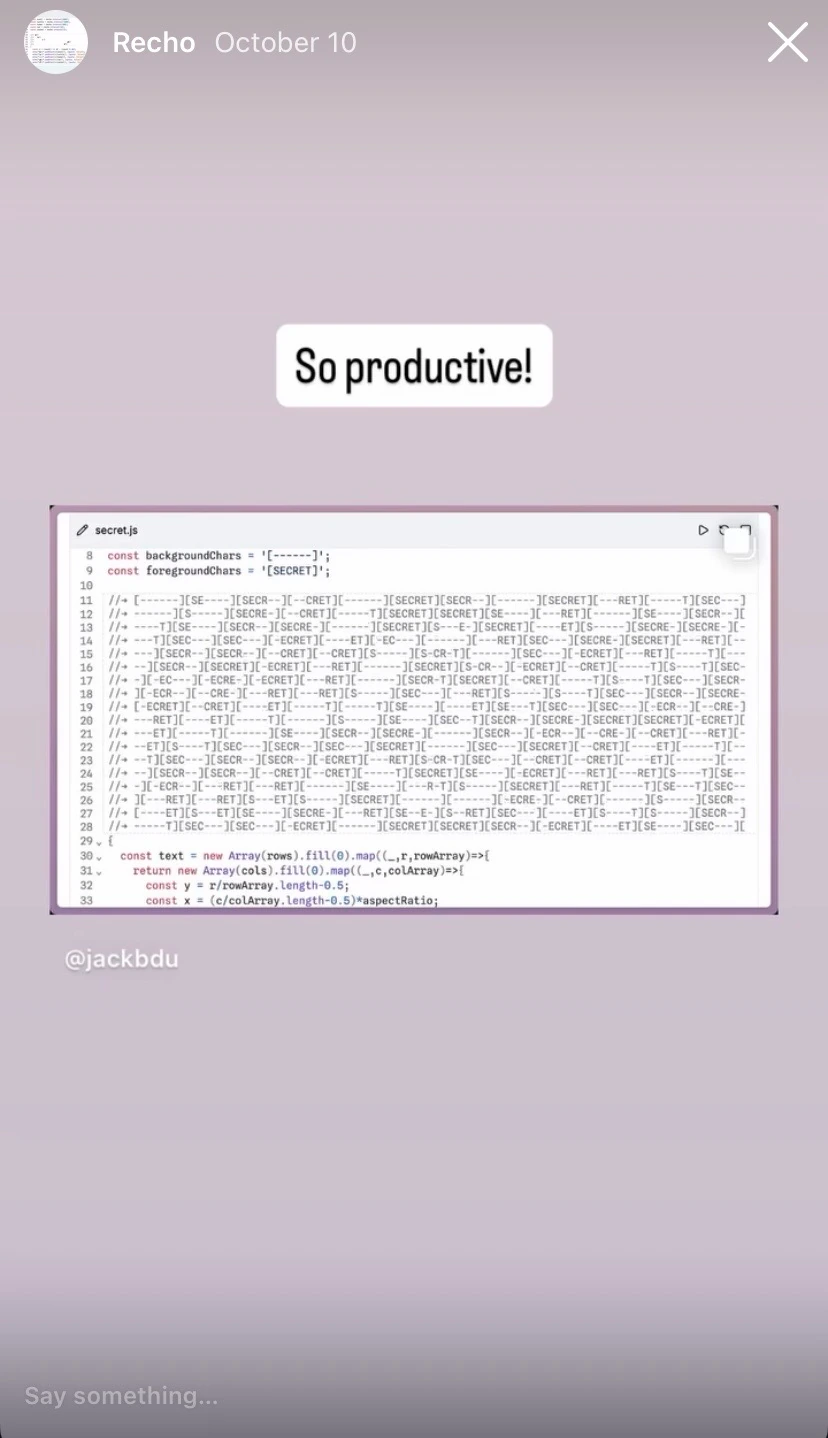
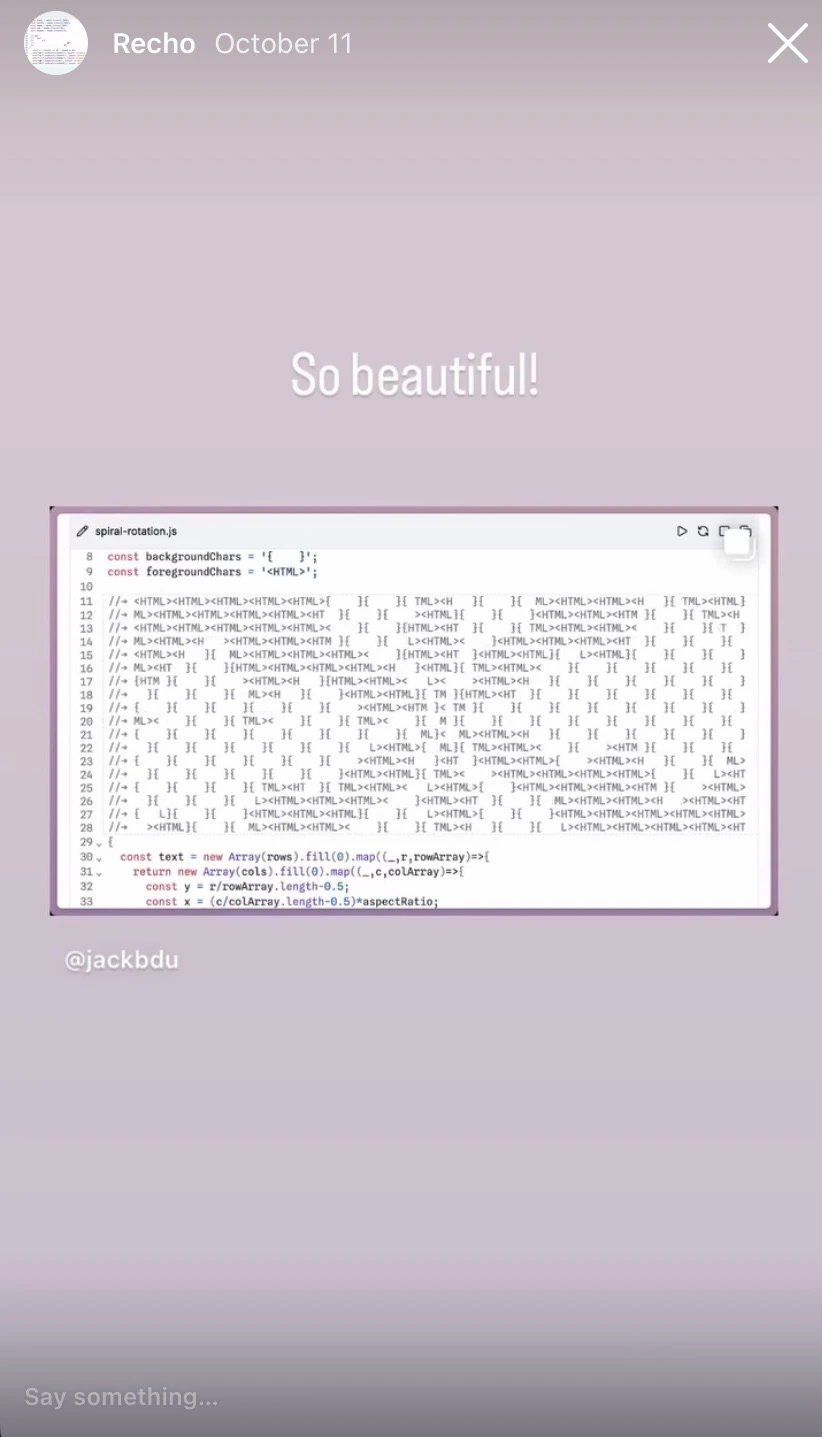
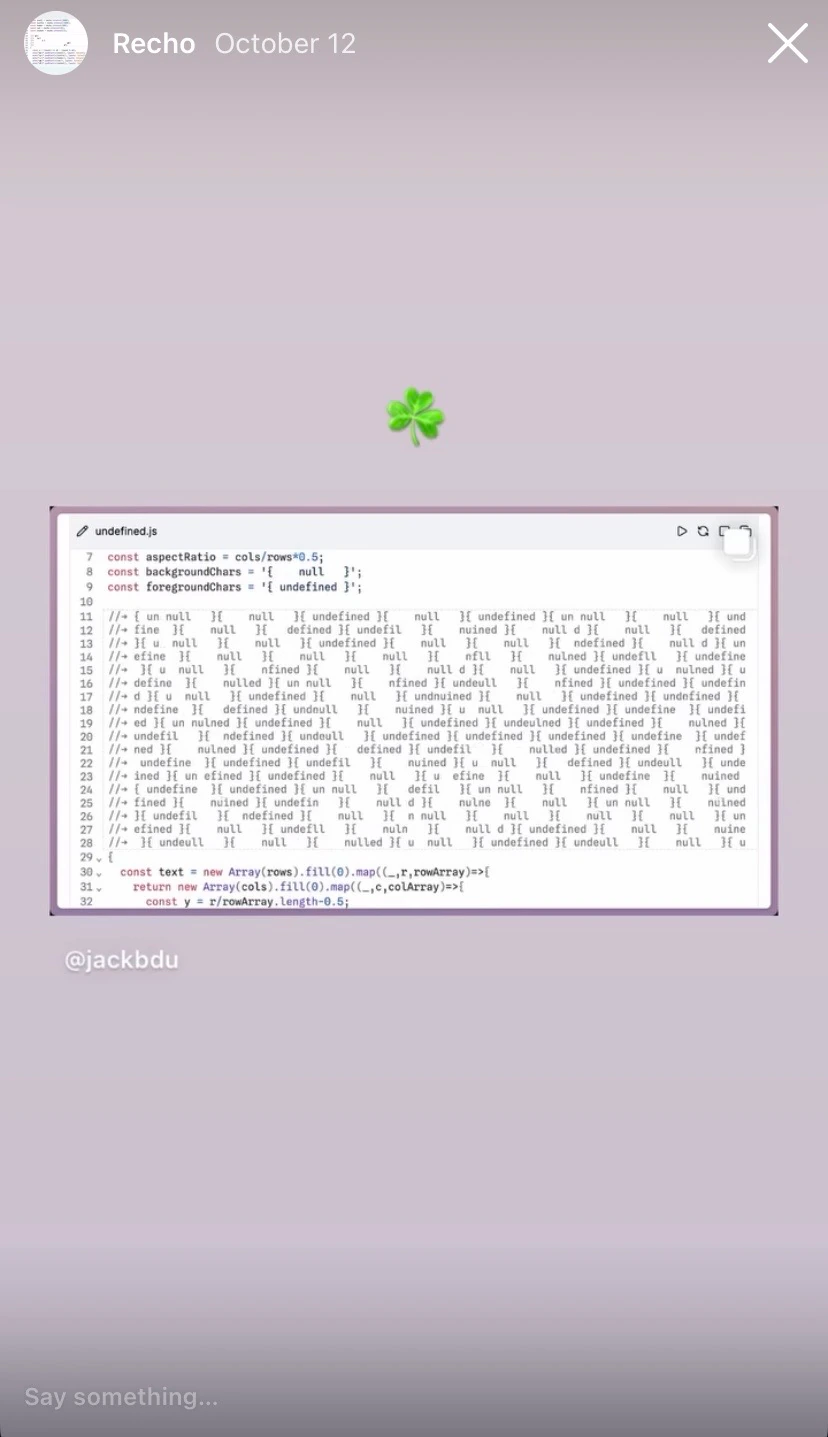
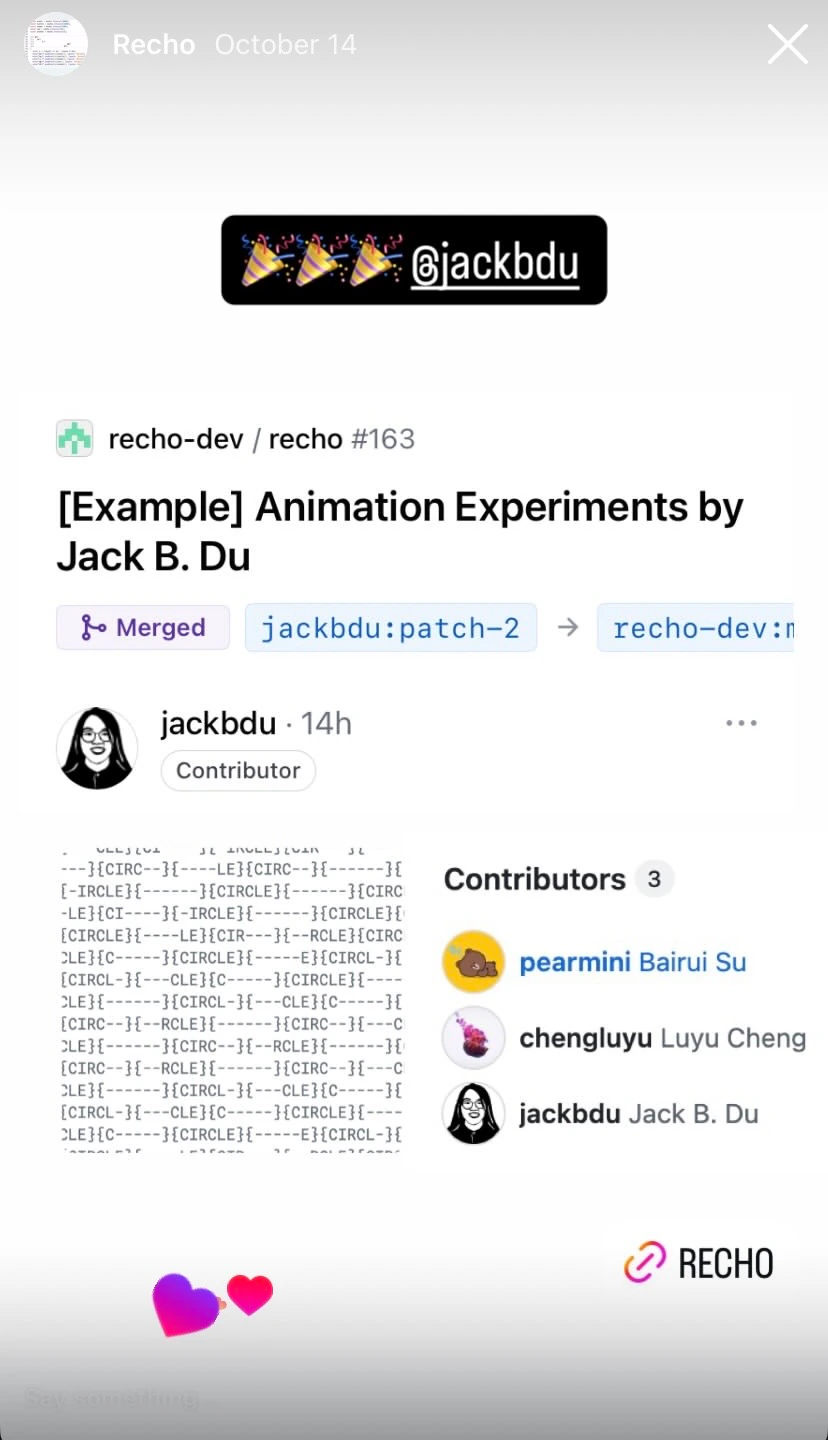
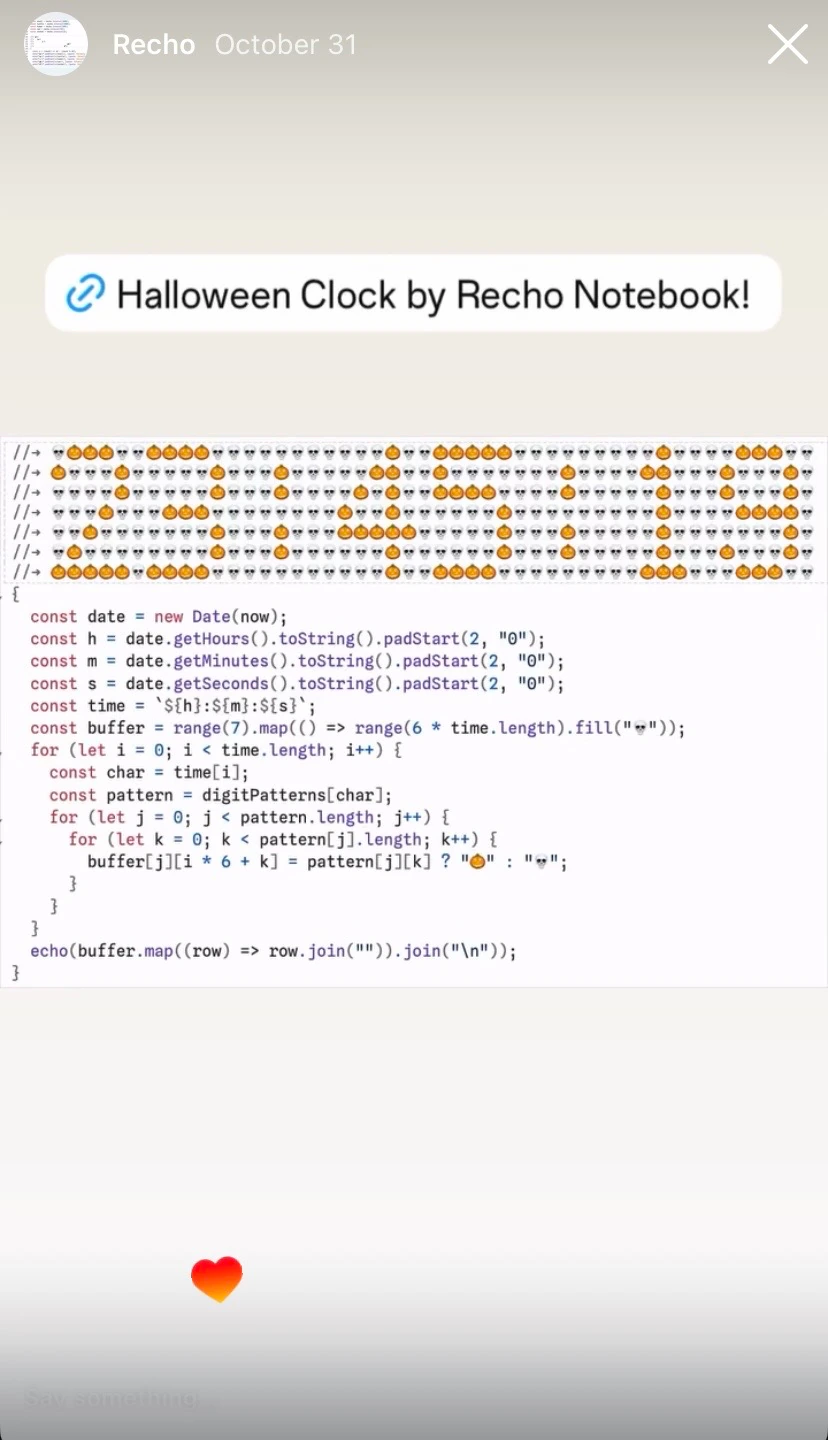
Some stories I shared on Instagram while developing Recho.
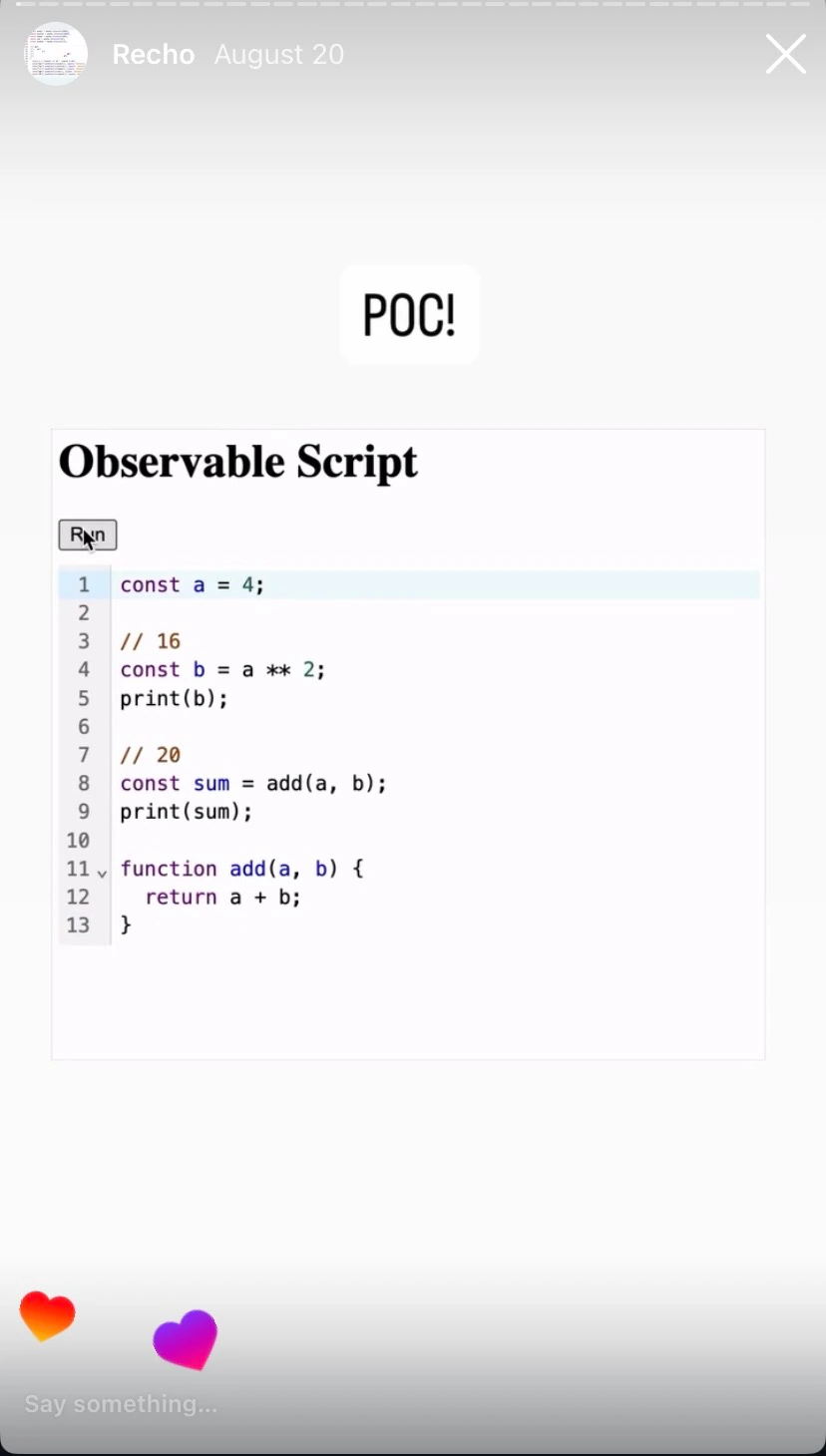
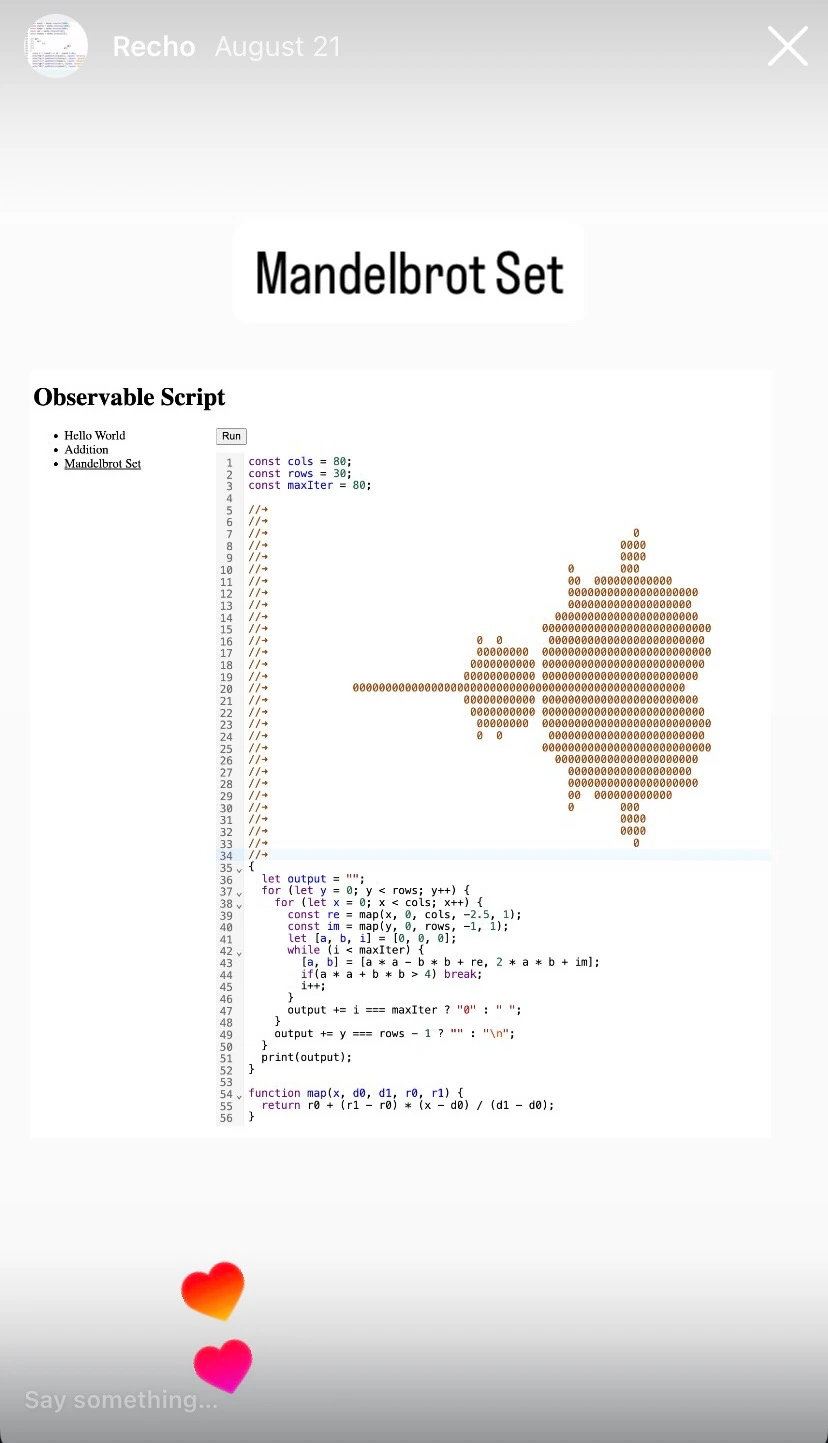
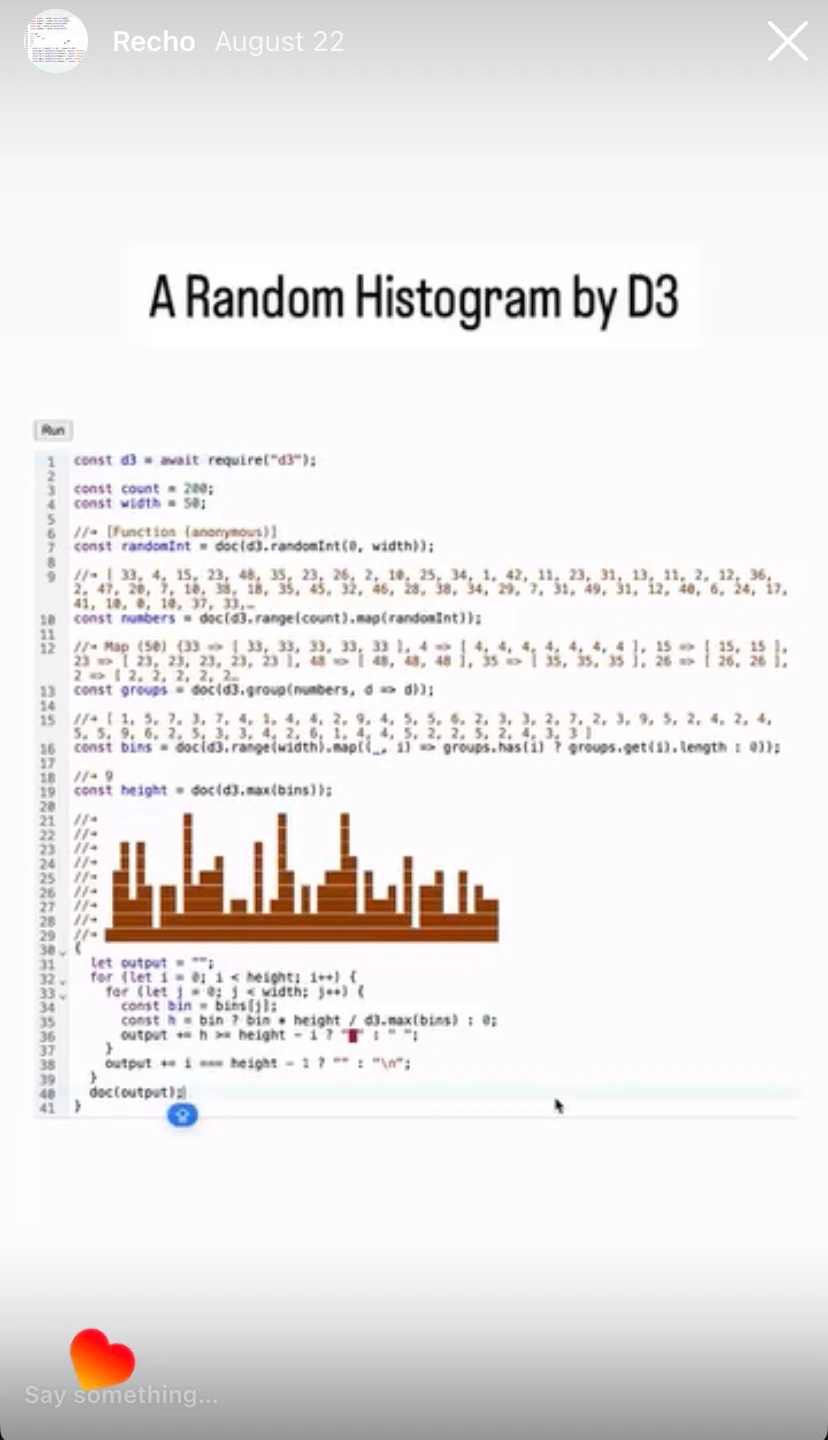
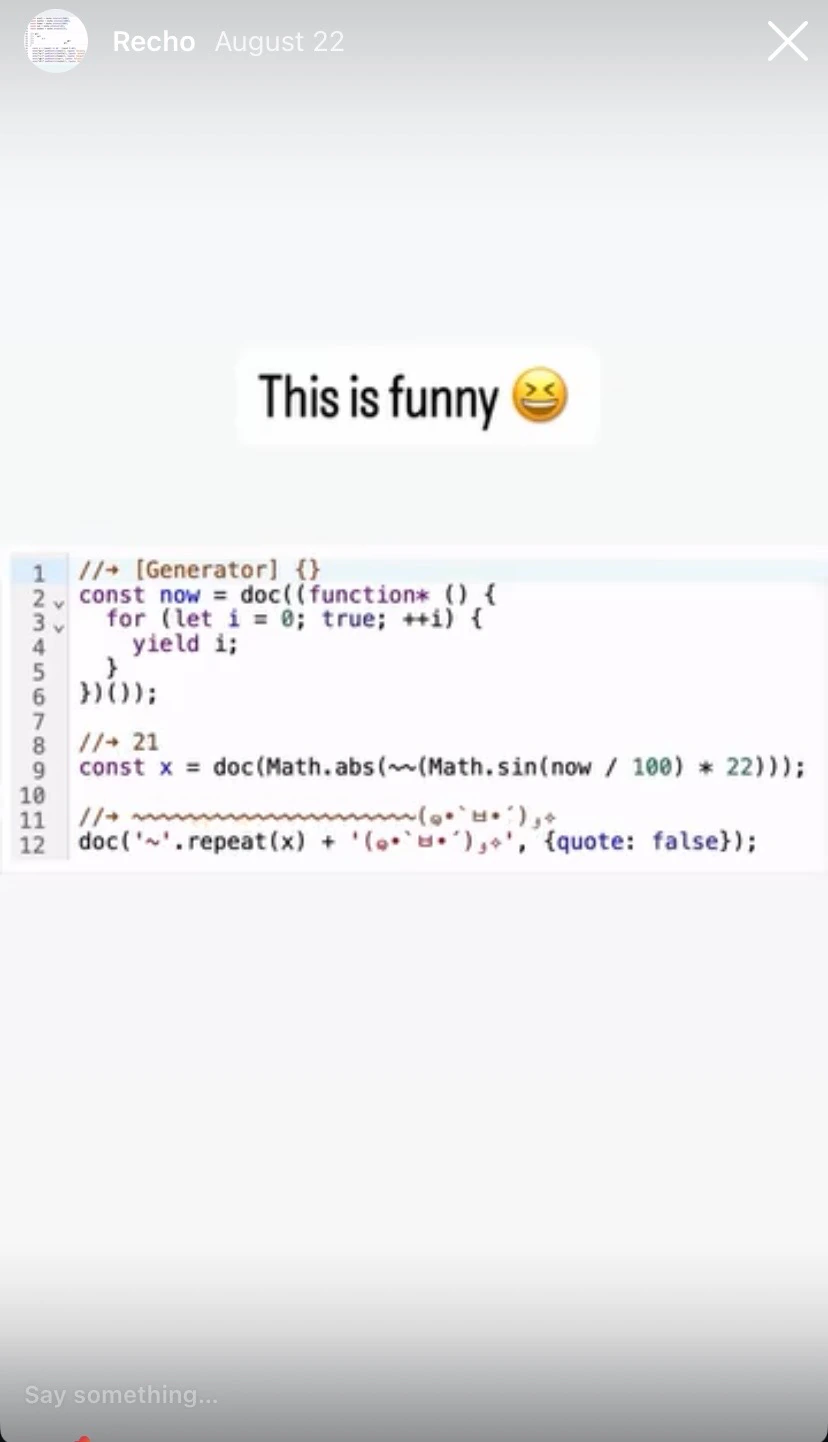
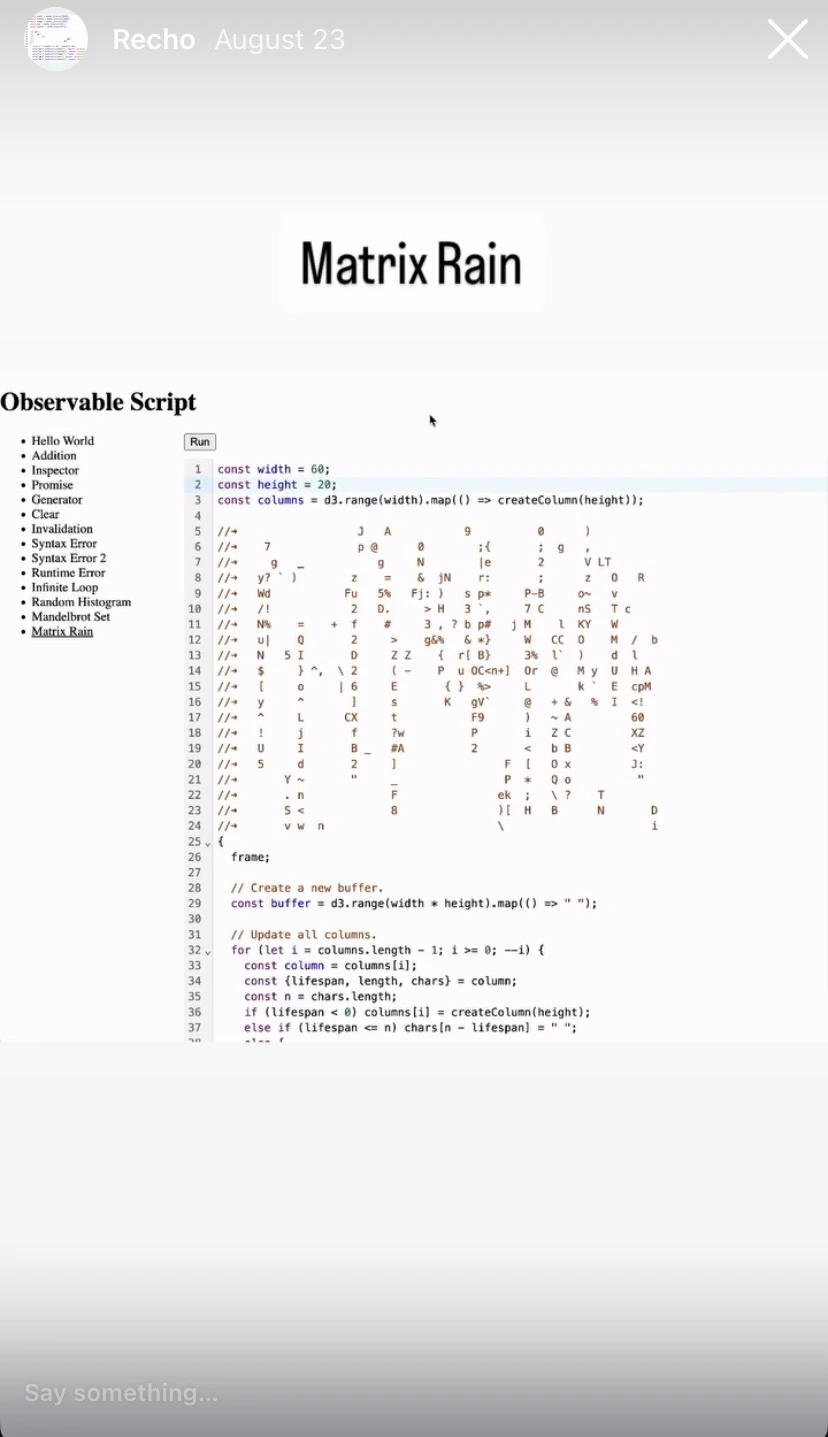
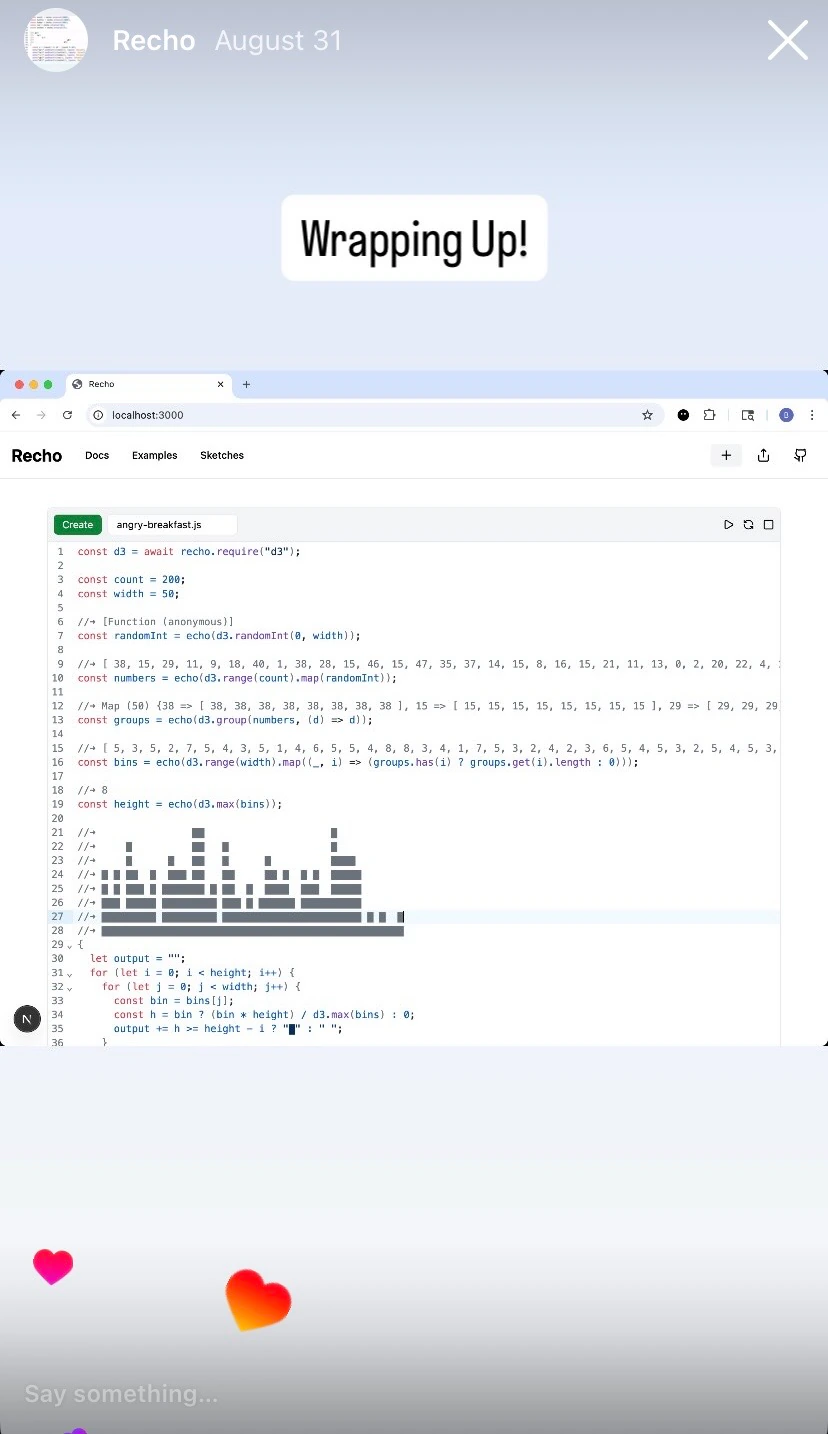
Donuts!!!
If you are hungry, Recho has a donut. The code is a donut, and the formatter is a donut too. The formatter formats itself into a donut.
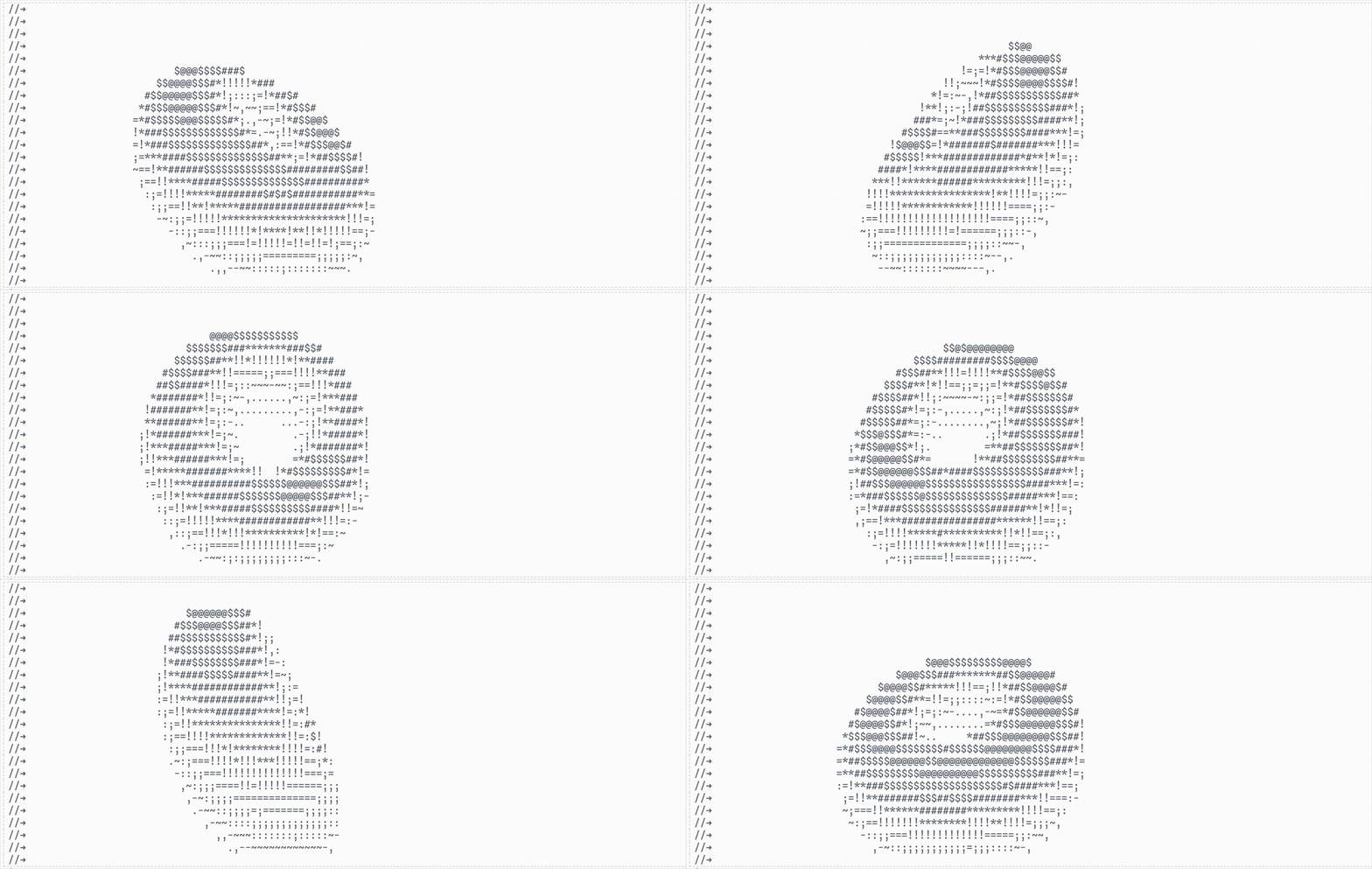 Donut Output
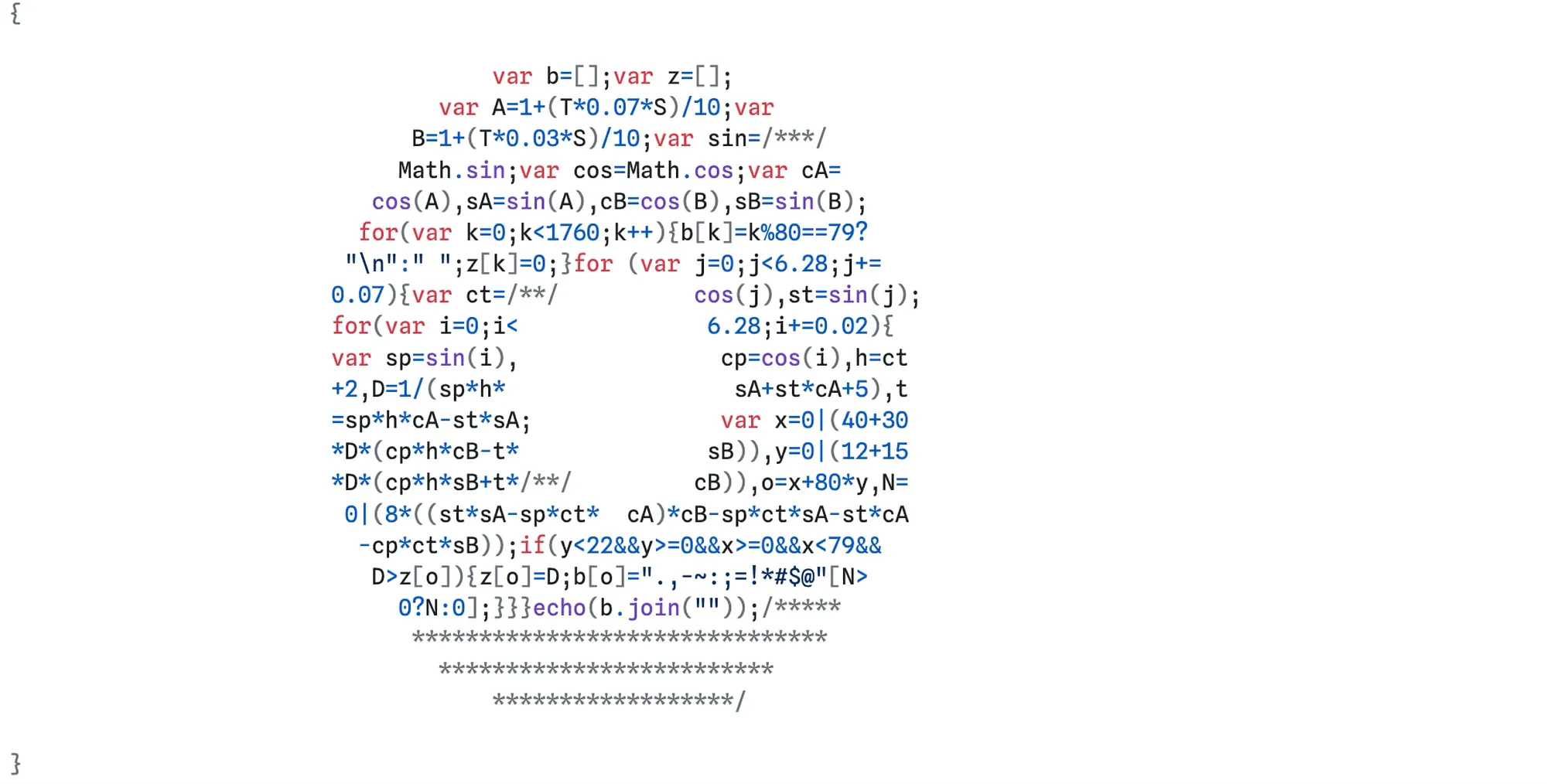 Donut Code
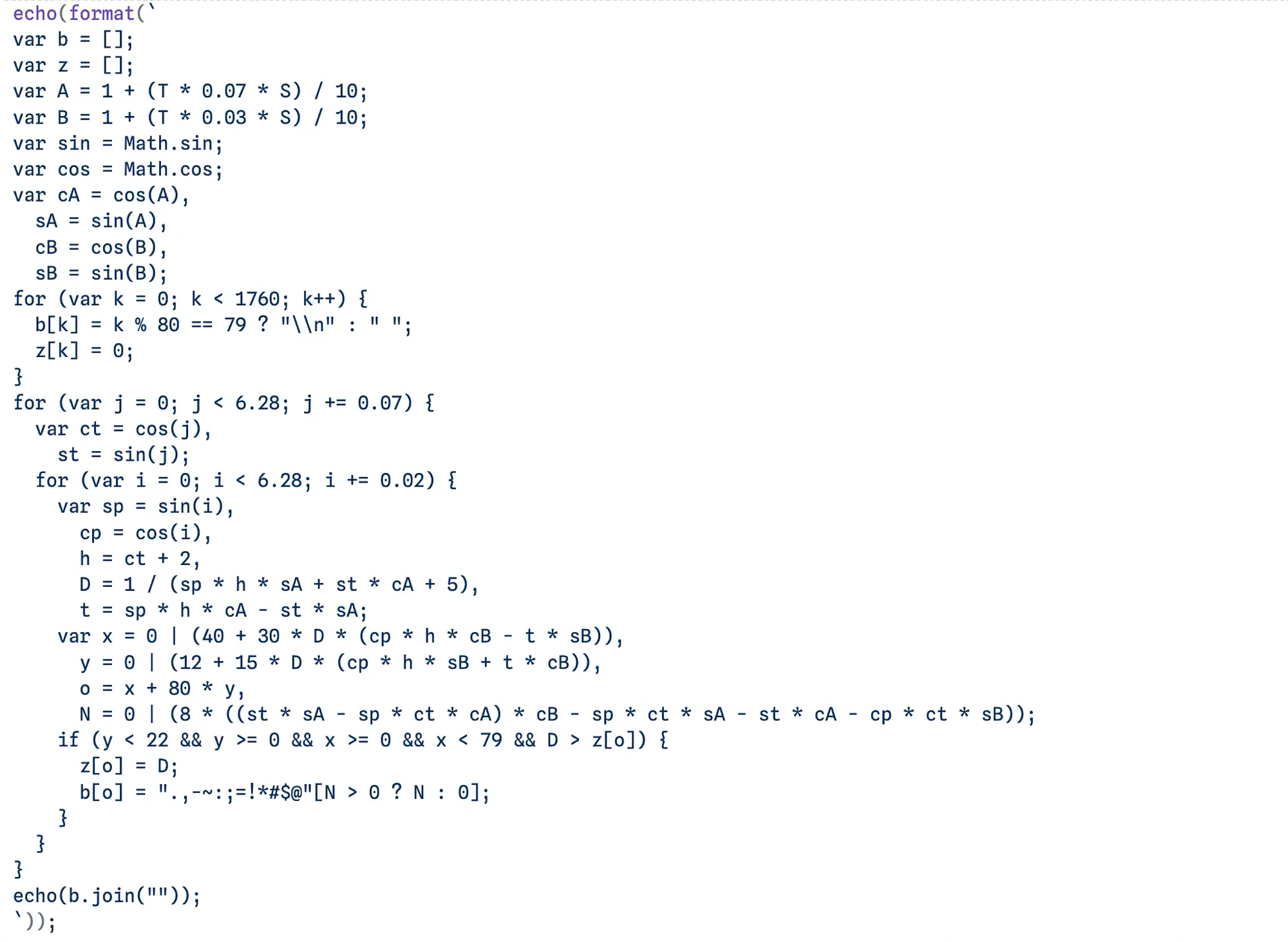 Donut Formatter
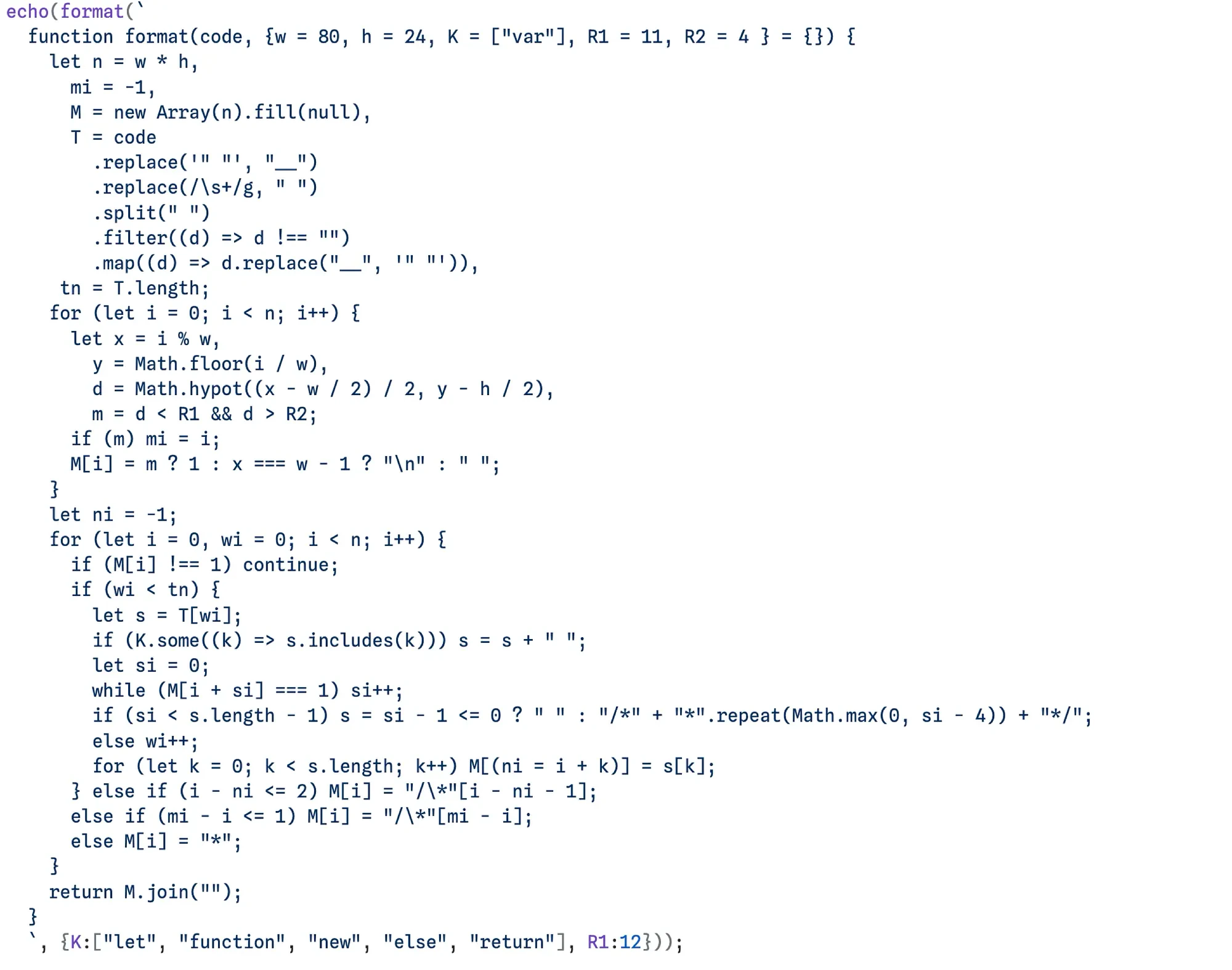 Donut Formatter Function
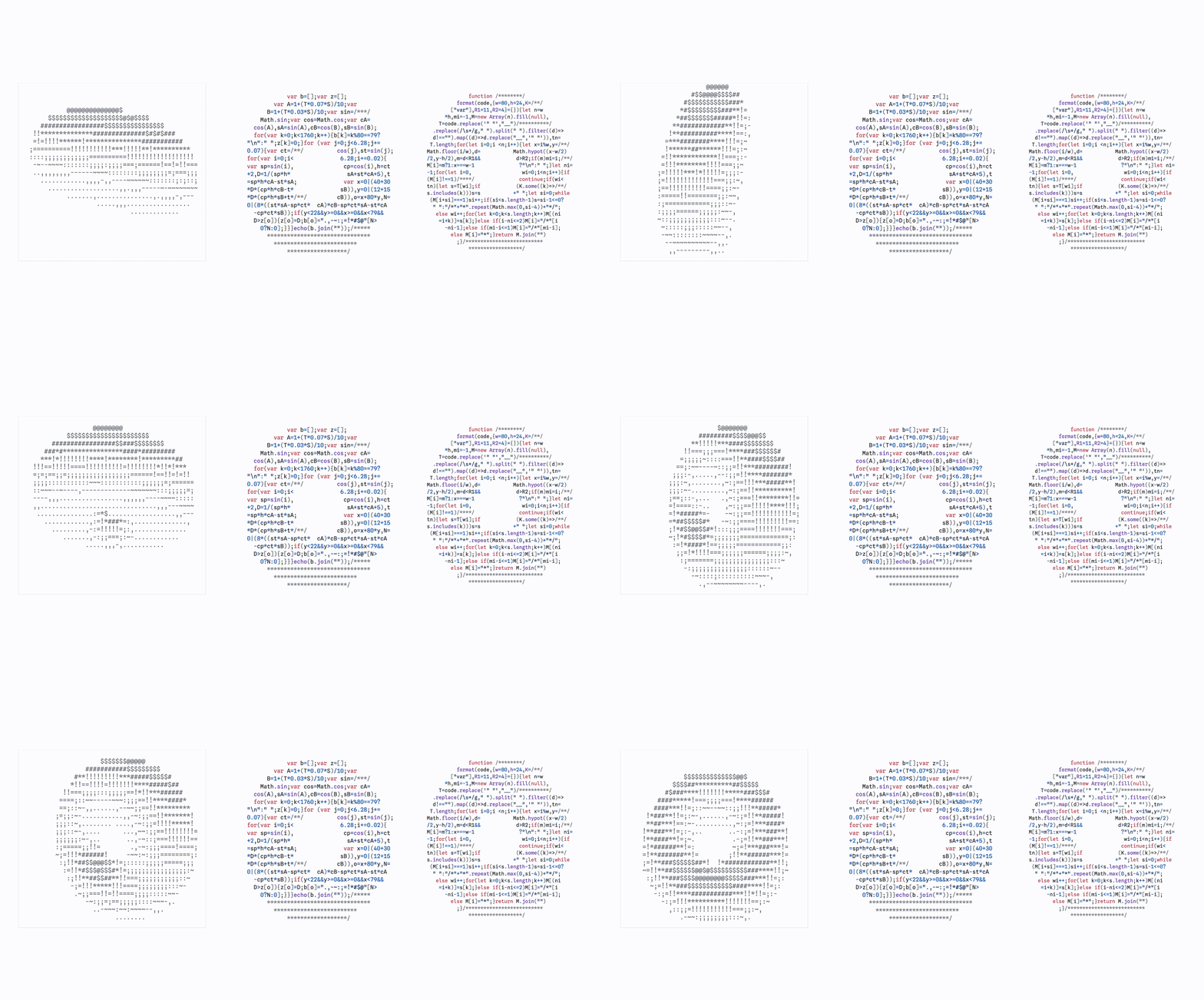 Donut, Donut, Donut