2025-05-22 / Bairui SU
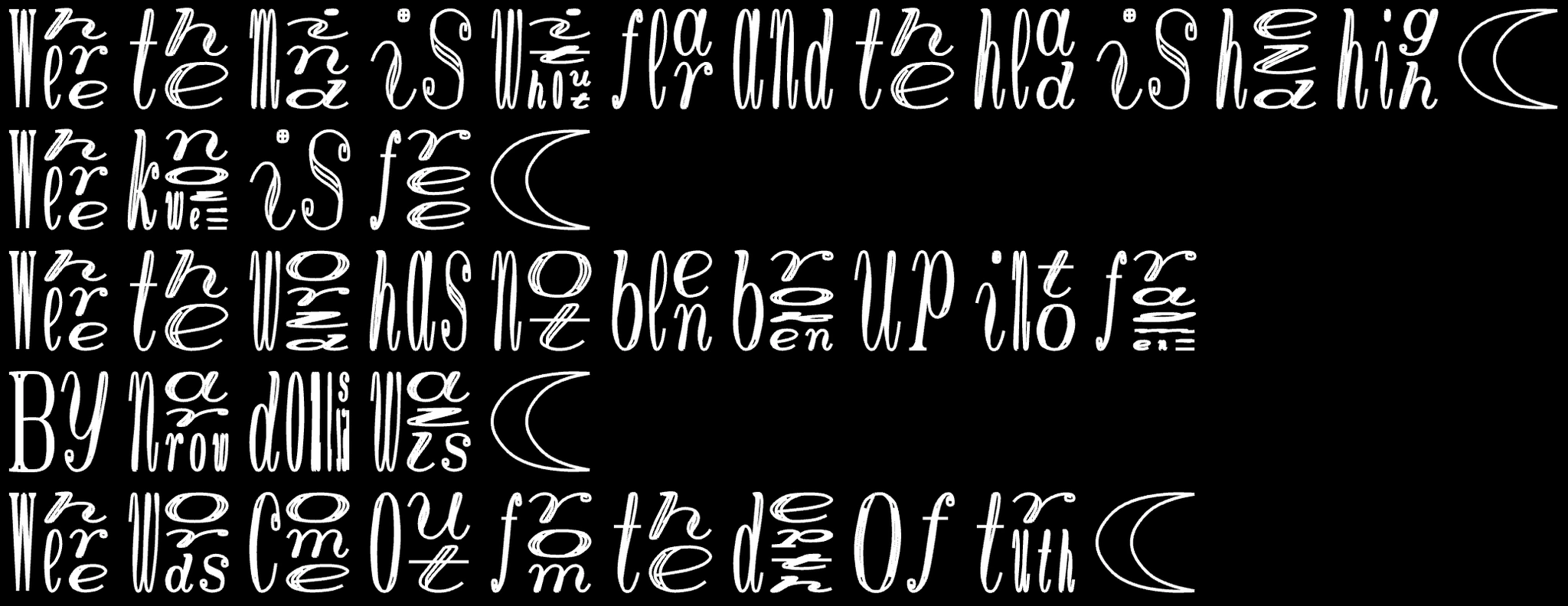
APack is a writing system that procedurally writes English alphabets in the style of Chinese Characters. It transforms Latin letters into visual compositions that echo the aesthetic and structural principles of Chinese calligraphy, creating a bridge between two distinct writing systems. It's also an exploration of writing as drawing.
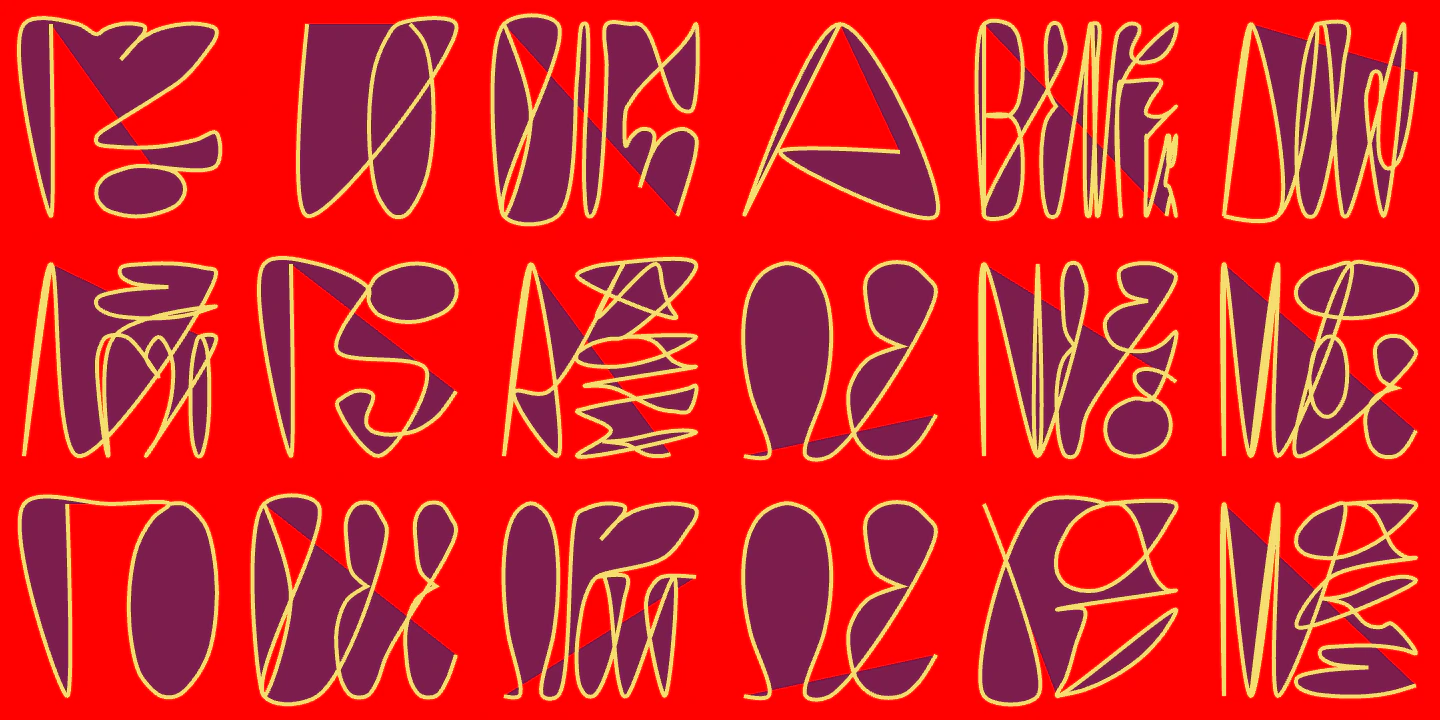 A Quick Example by APack
This video shows how to create the example above using APack's online editor:
Inspiration
The inspiration comes from the visual richness of Chinese characters—each character is a carefully composed unit that fits within a square space, with strokes arranged in balanced harmony. APack applies similar principles to English text, packing letters into cell-based layouts that mirror the structure of Chinese characters.
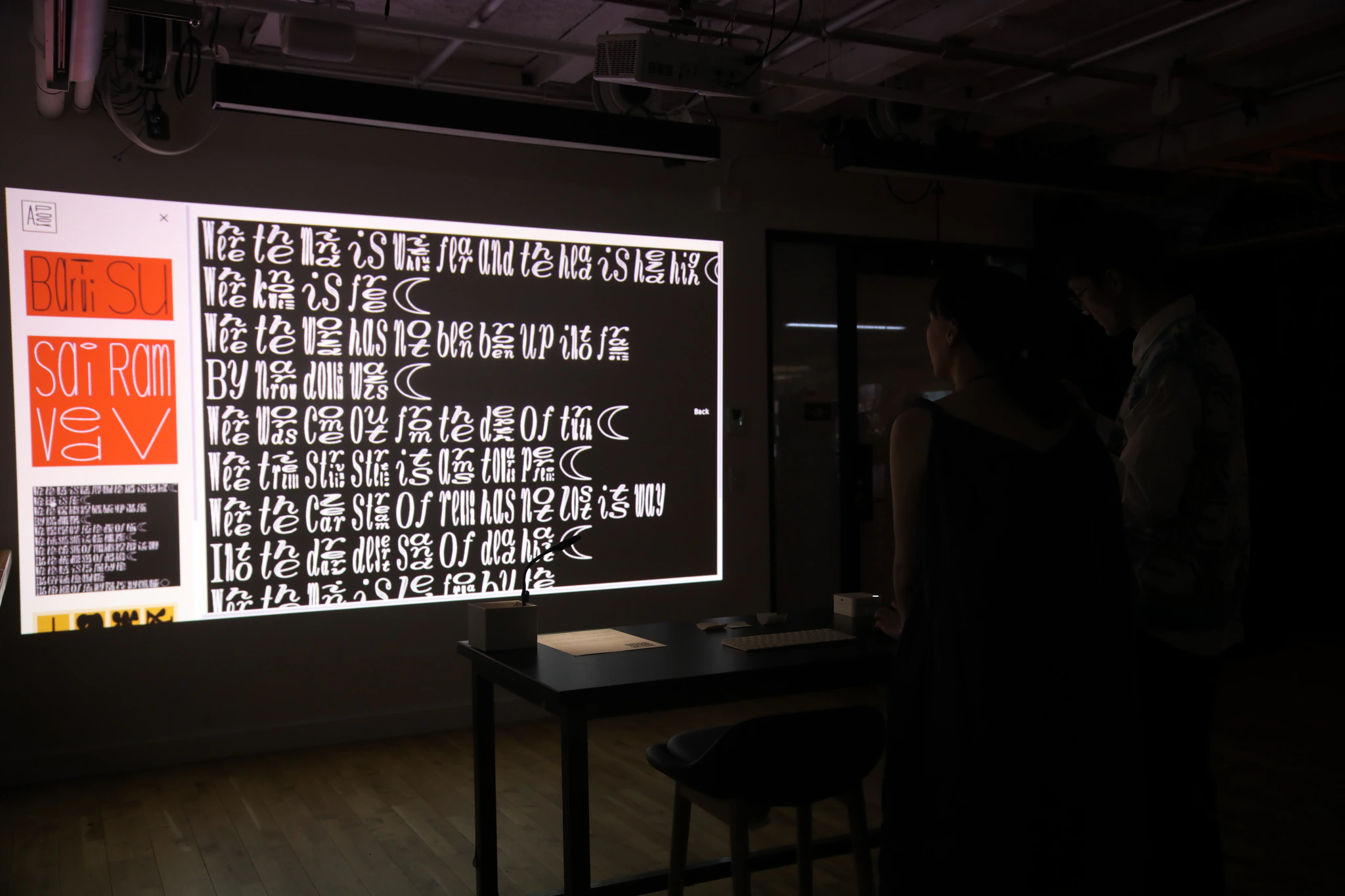
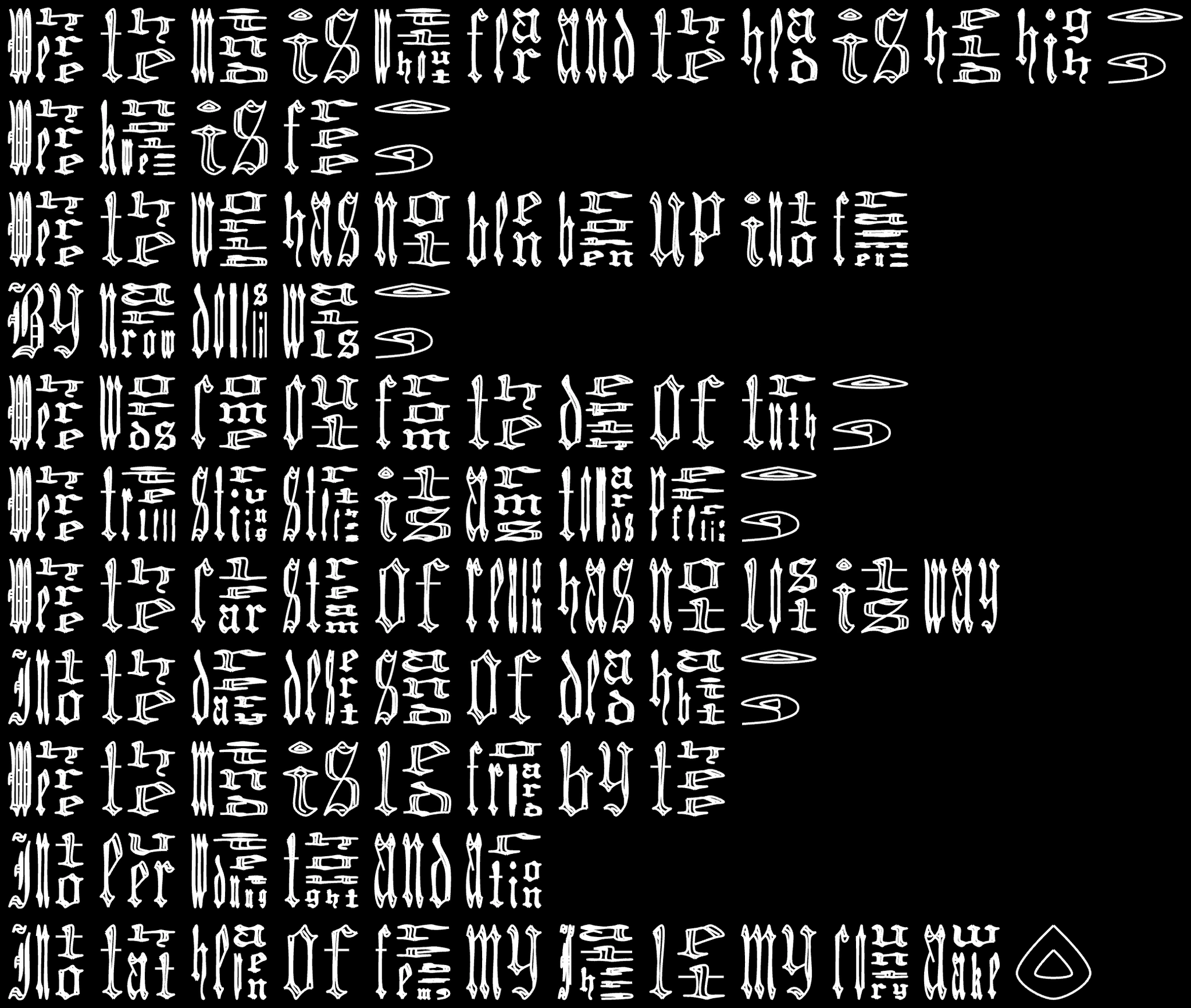
By doing this, APack challenges assumptions about how writing systems can be represented and invites viewers to see familiar text through a new visual lens. For example, here is the poem Where the Mind Is Without Fear by Rabindranath Tagore using APack:
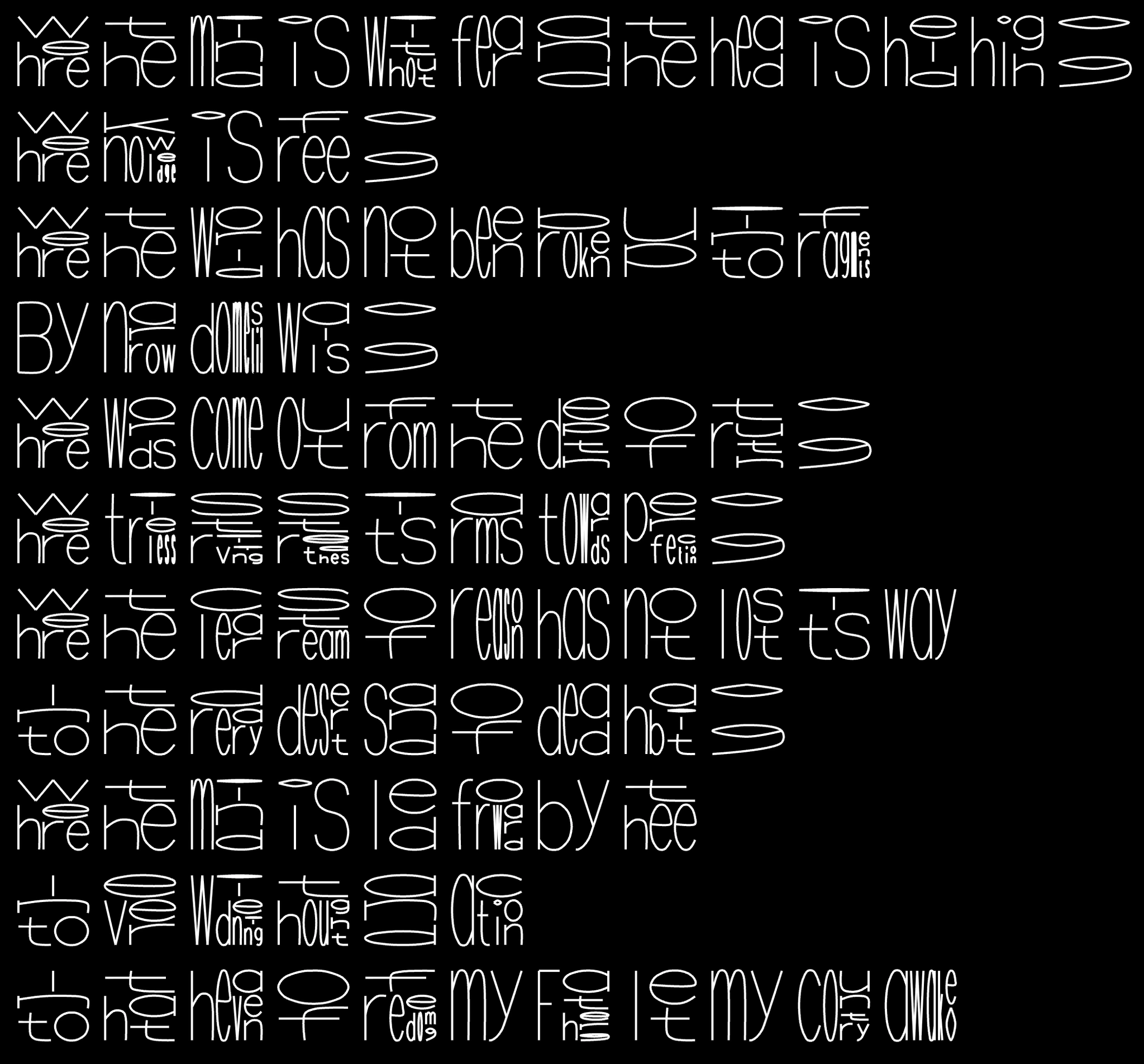 Where the Mind Is Without Fear by Rabindranath Tagore
ITP Spring Show 2025
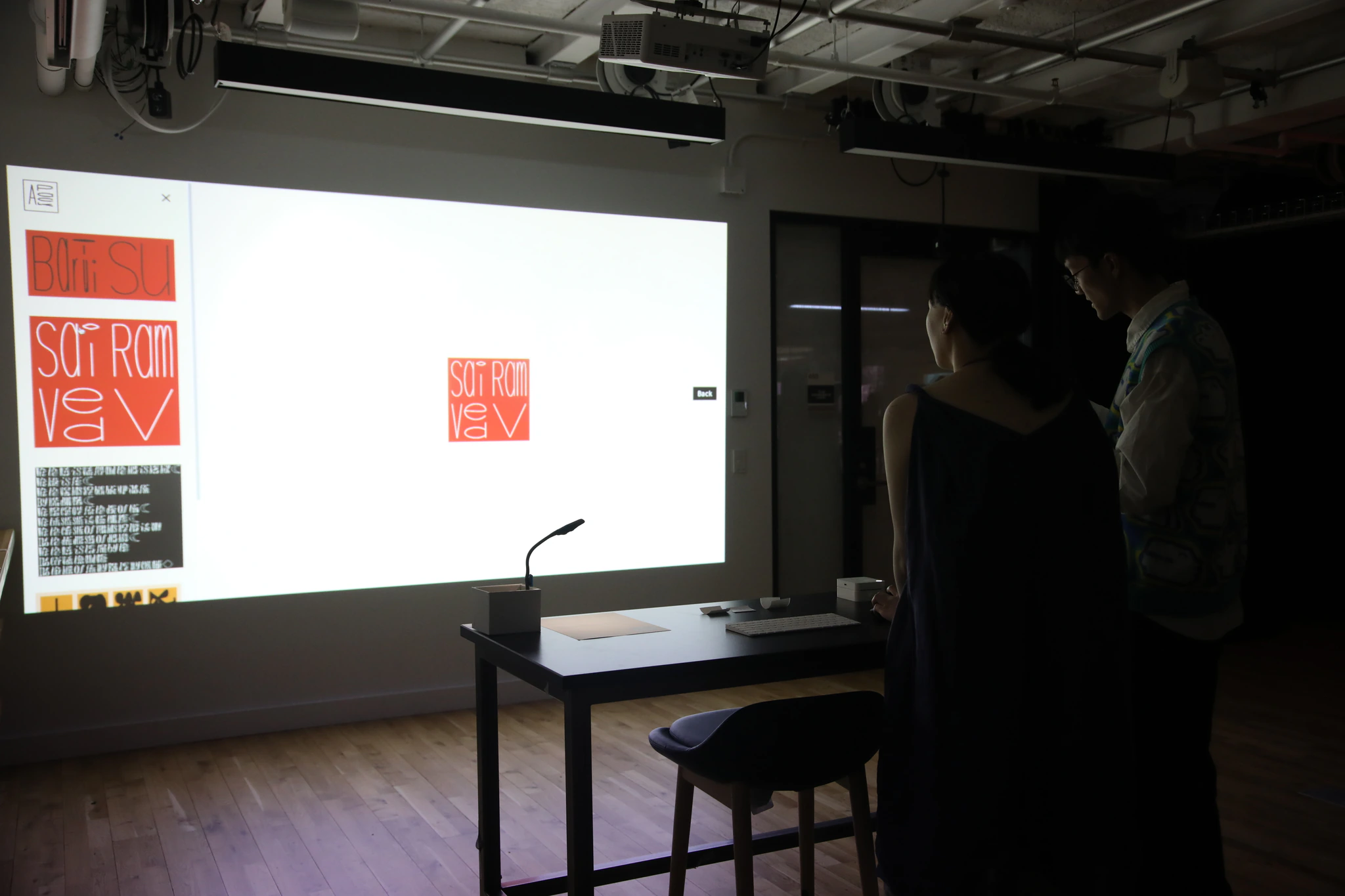
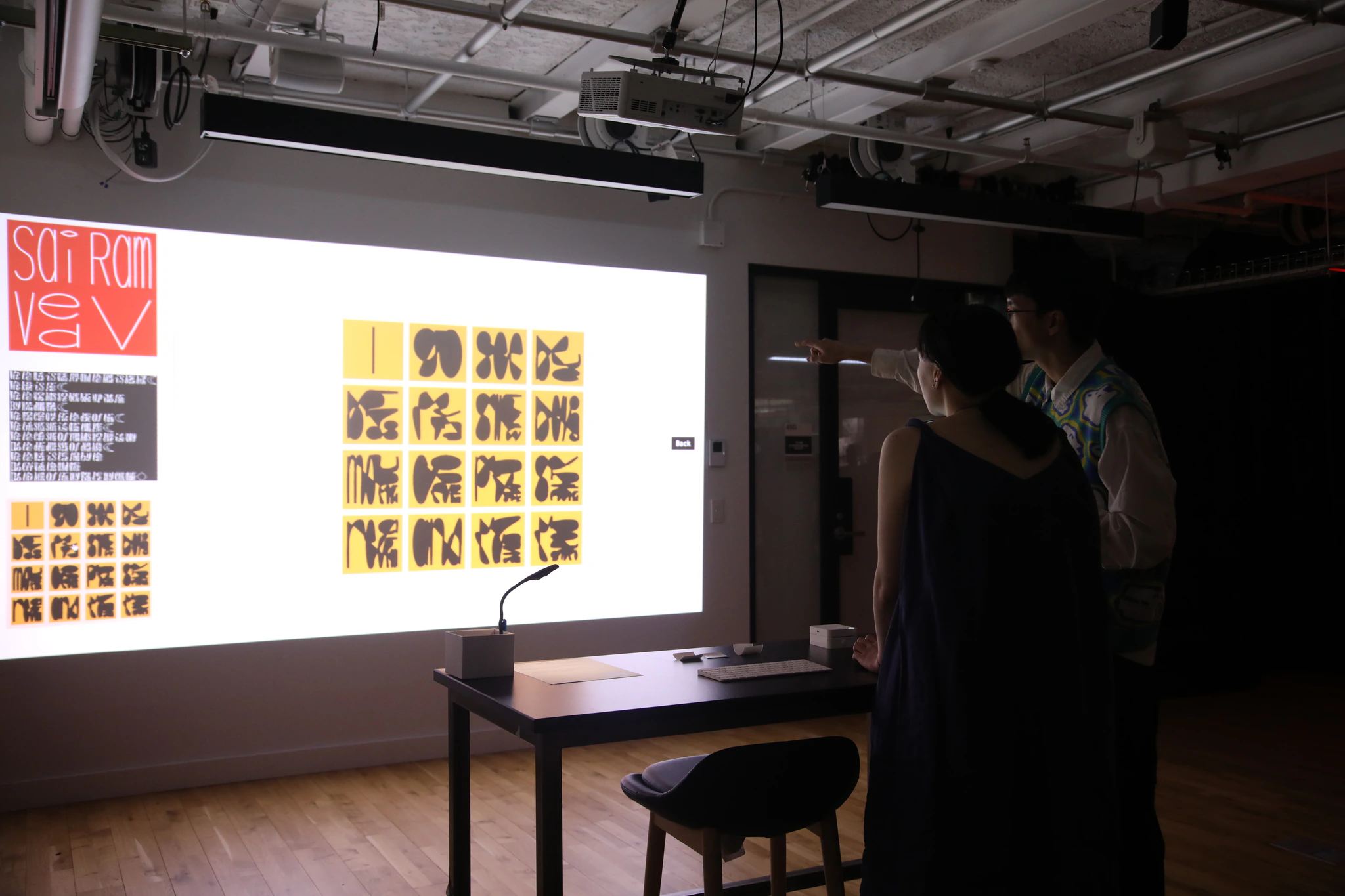
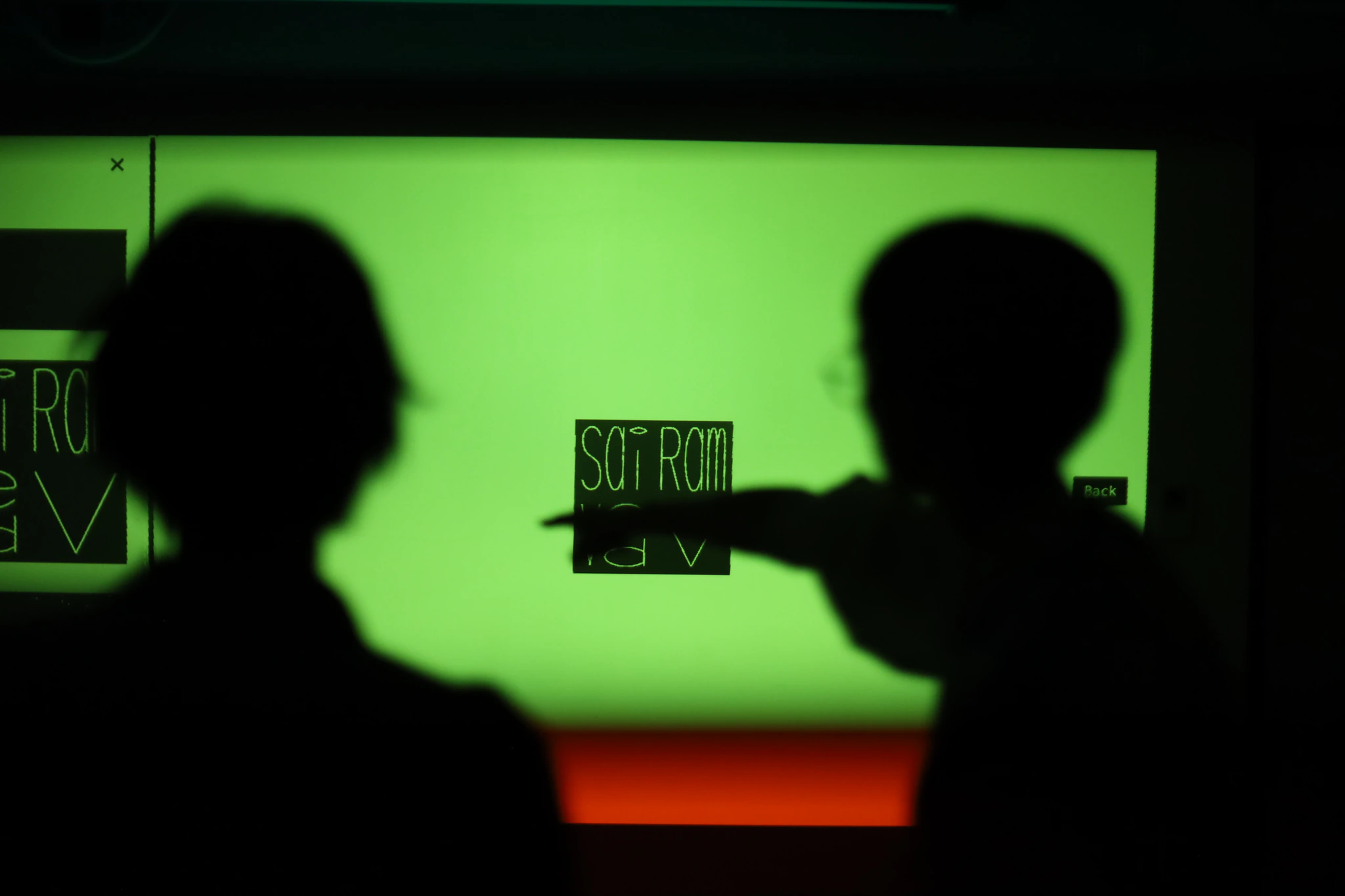
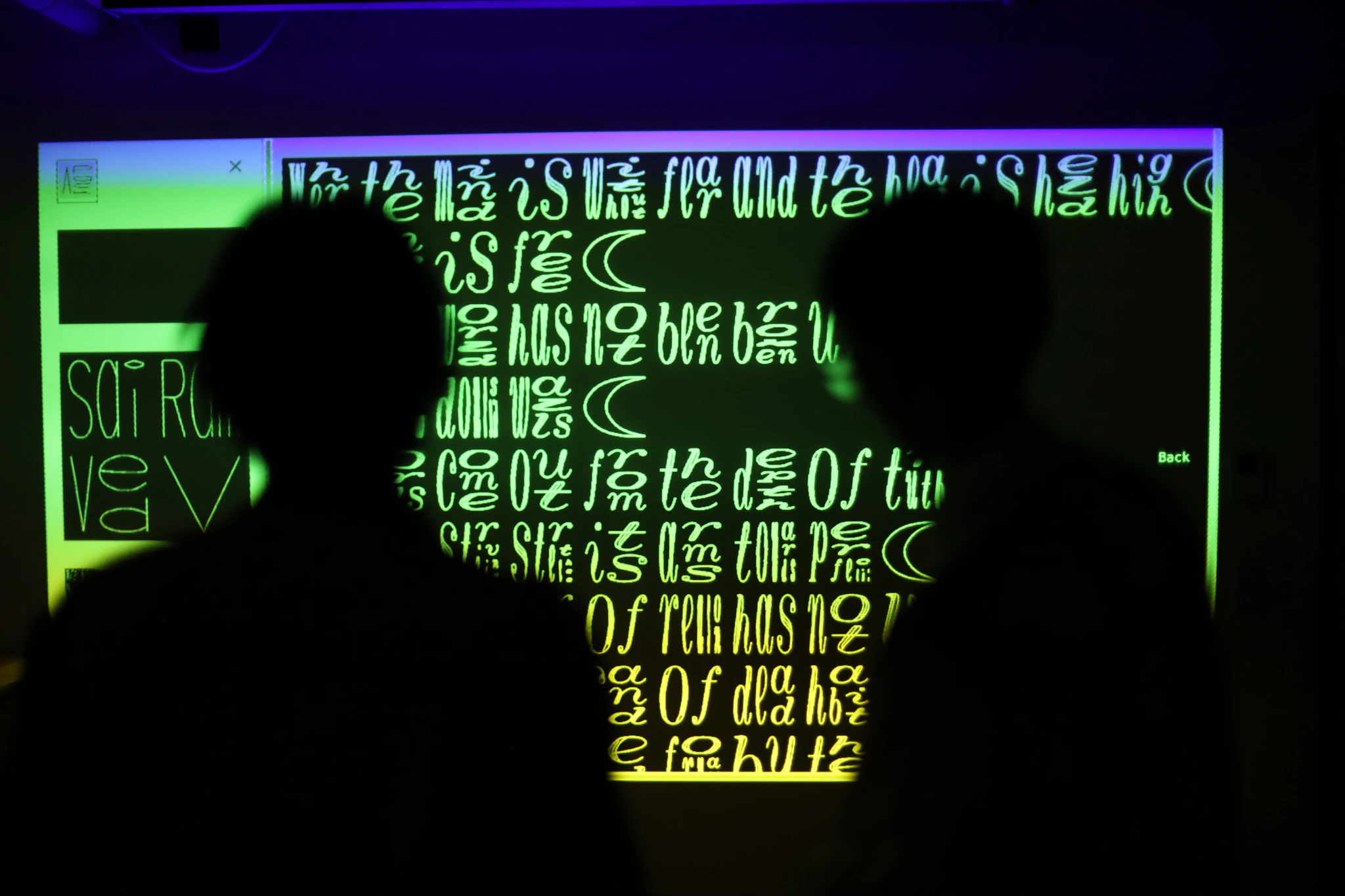
At ITP Spring Show 2025, I presented APack as part of Find Trees in Names, where it was used to generate Chinese name stamps for each tree, blending English names with Chinese calligraphic aesthetics.
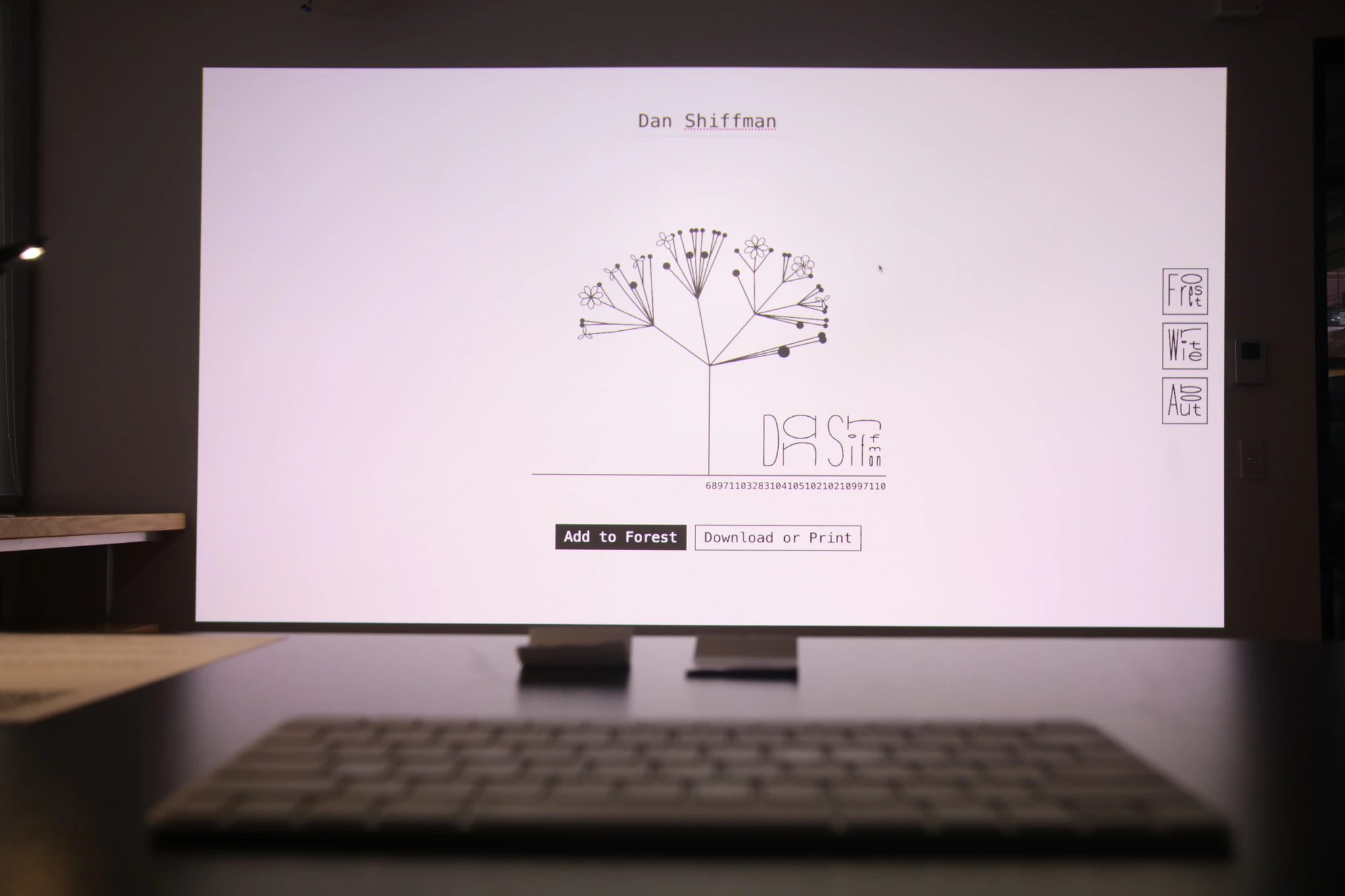
This integration demonstrates how APack can serve as a tool for cross-cultural expression. It takes something familiar (one's name in English) and presenting it through the visual language of another writing system, creating a unique form of digital identity that bridges cultures.
During the show, users can also try it out directly, experiencing writing as drawing. Here is a video of the interaction with Jack:
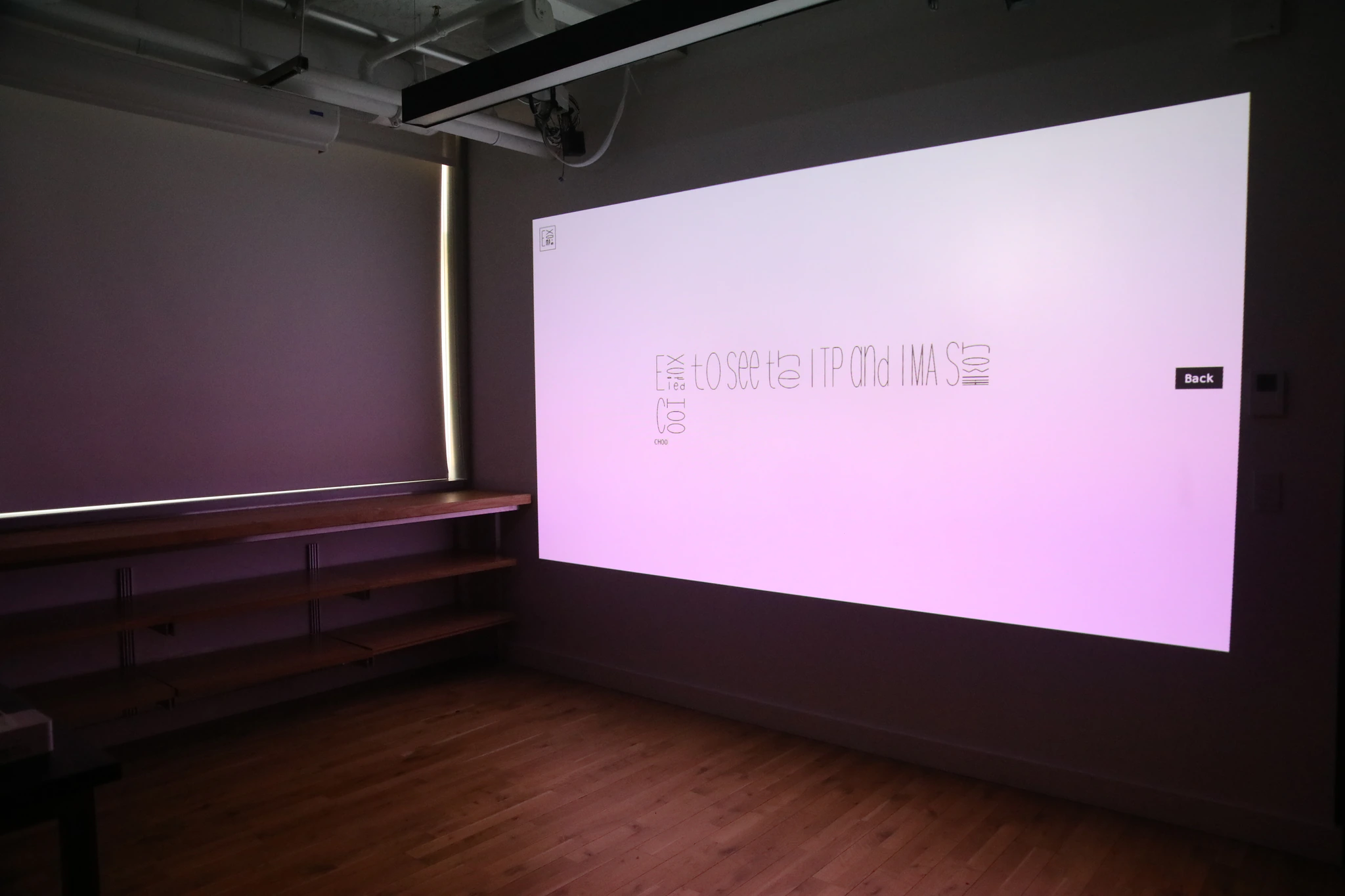
Here are some photos of the participants:
Stick Together to Make Peace
After the show, my friend Sai participated in a poster design activity called FIGHT FOR KINDNESS. He used APack to create the poster . Here is a photo of the poster:
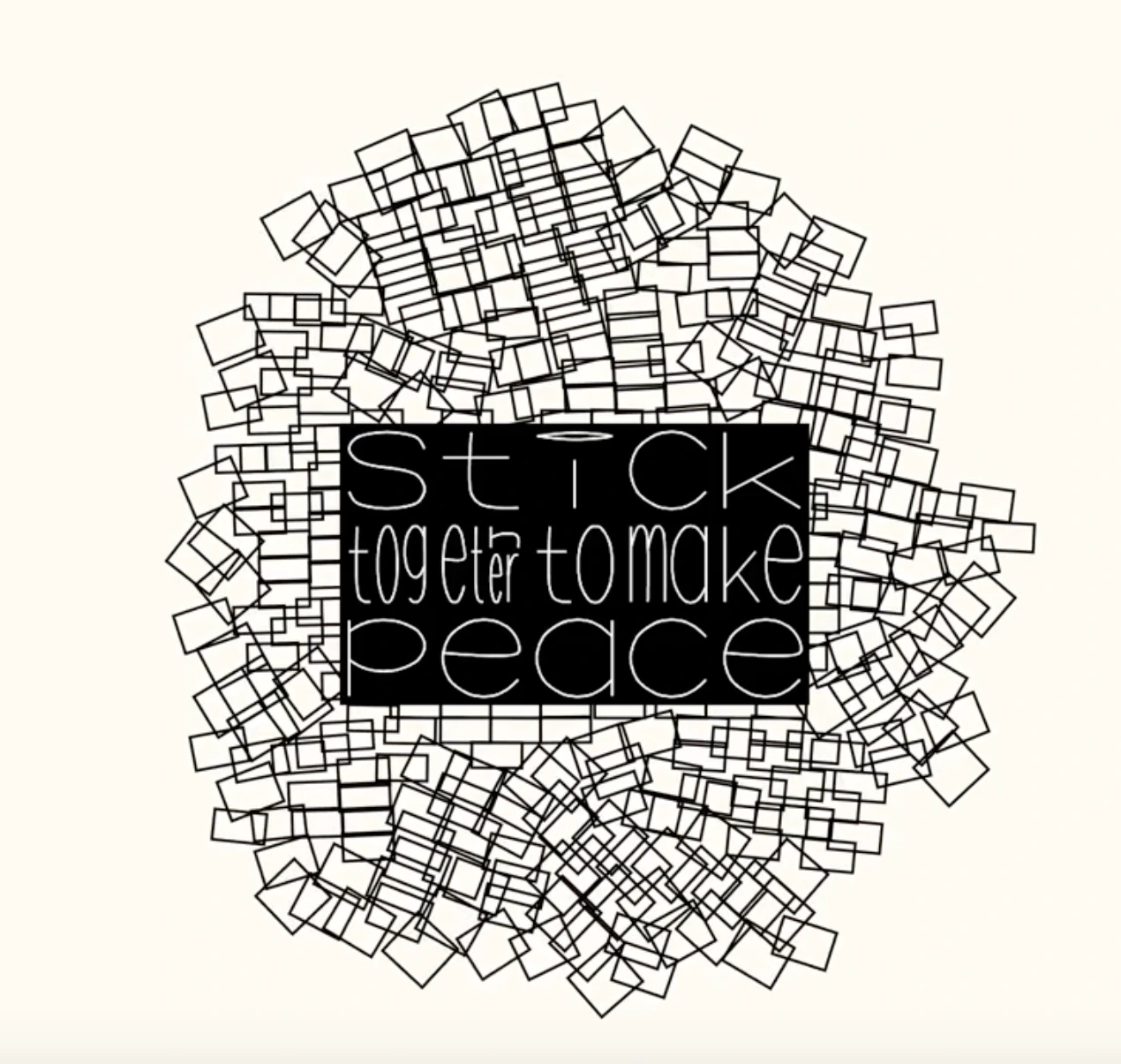 Stick Together to Make Peace by Sai
World Clocks
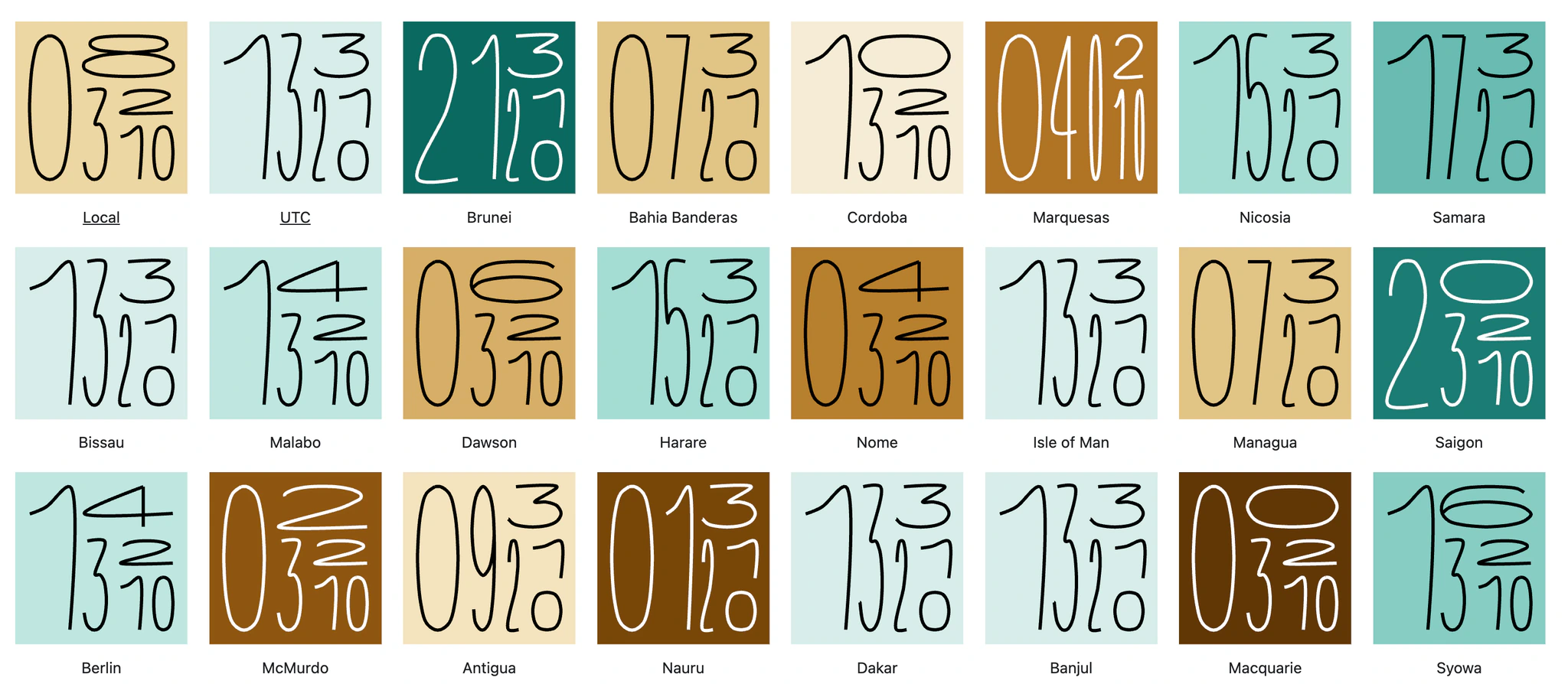
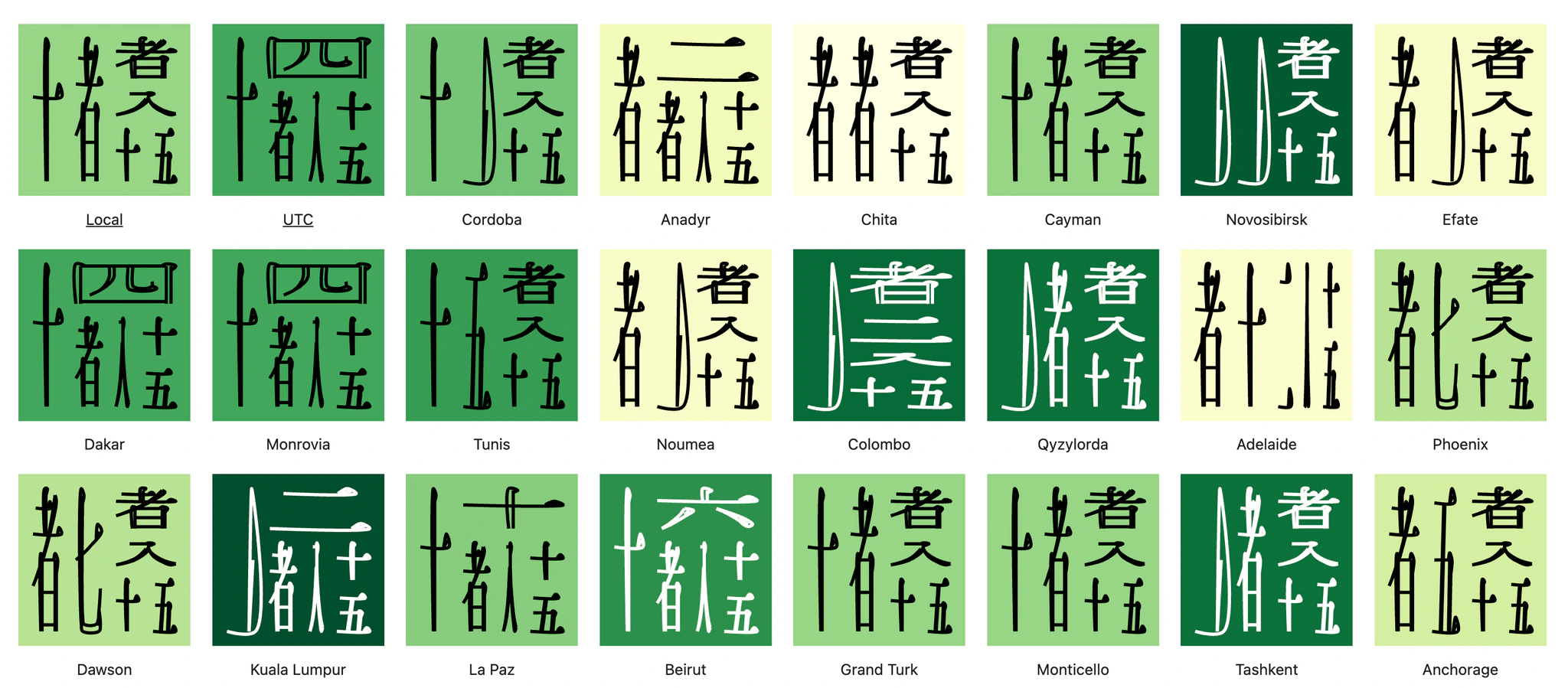
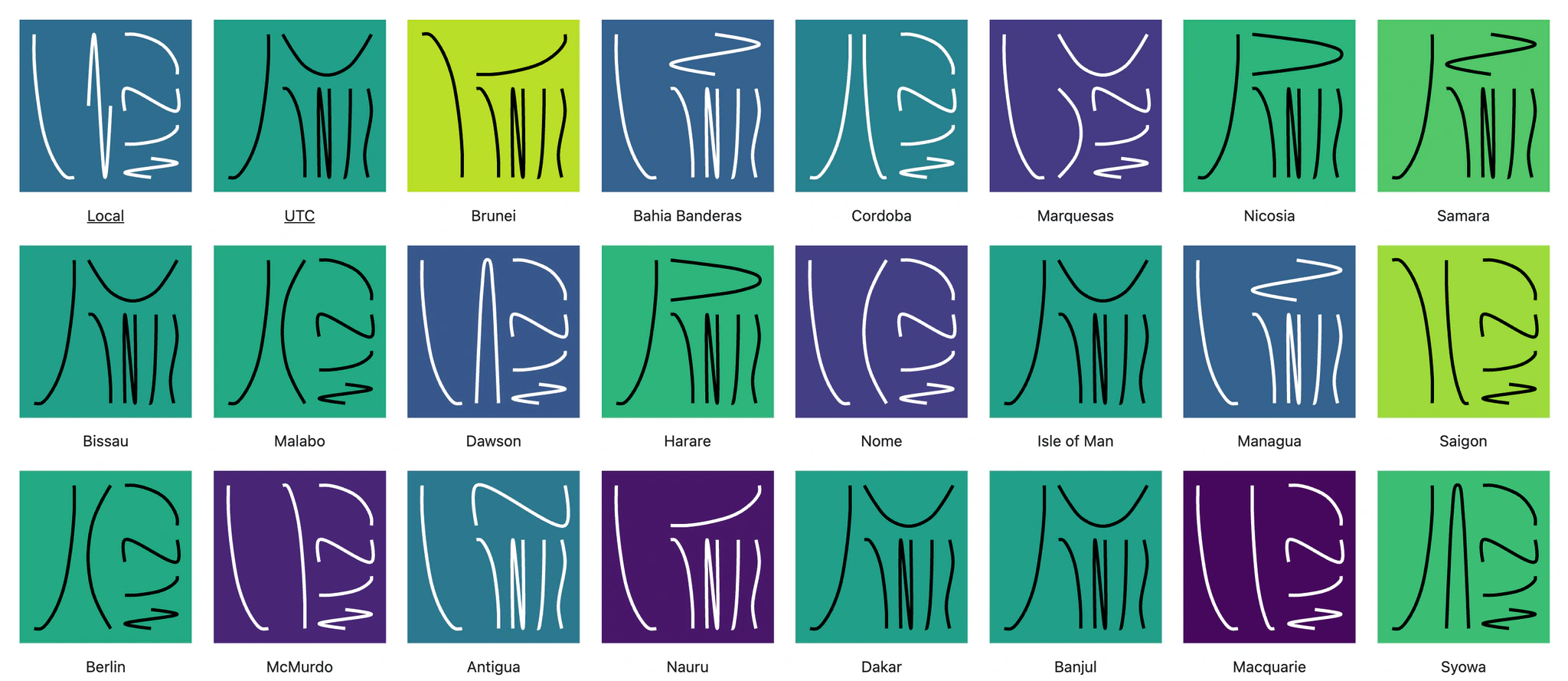
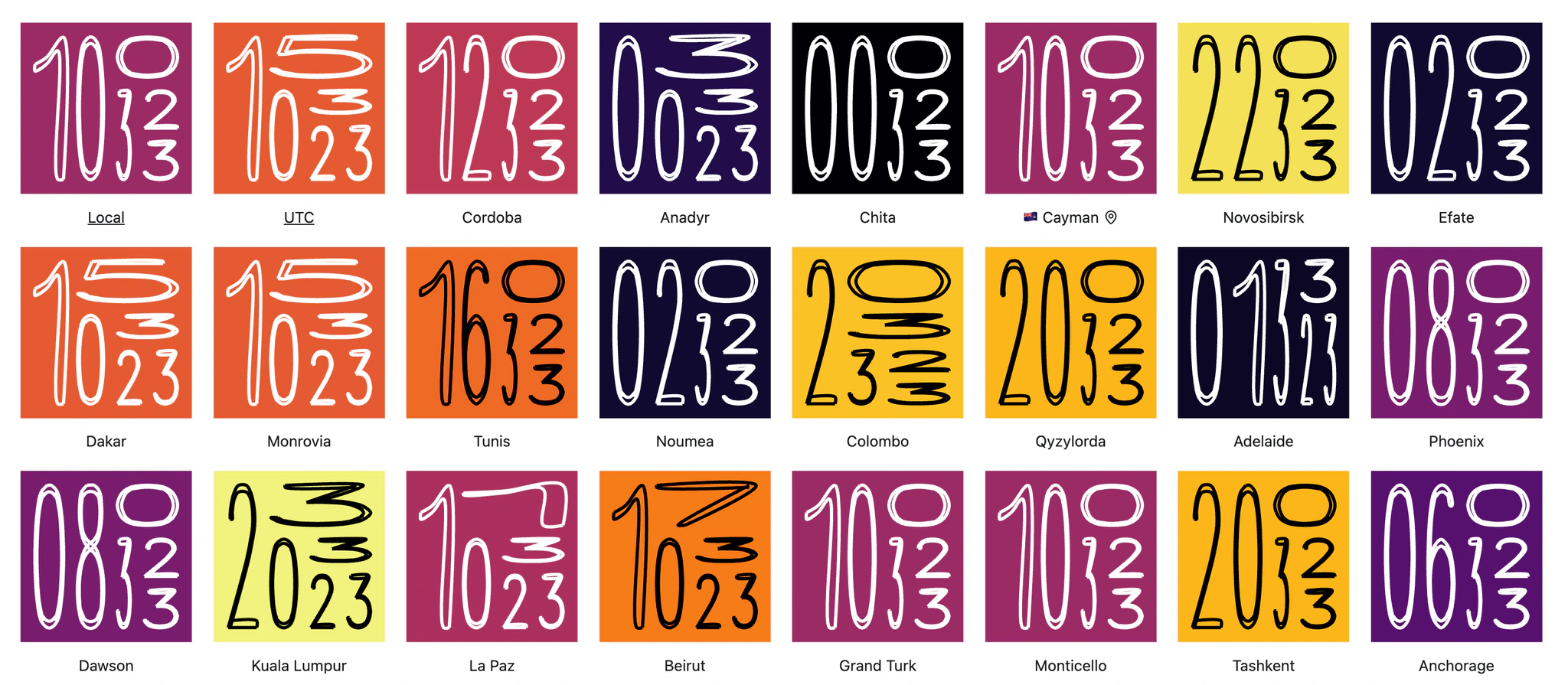
I noticed that writing characters in a single cell is a good way to draw a clock with time digits. So I created a World Clocks using APack. I'm actually surprised that there are so many time zones in the world! It's also fun to watch the animations of the clocks and try different fonts.
How It Works
The core idea of APack is recursively dividing the space and place each letter until all letters are placed.


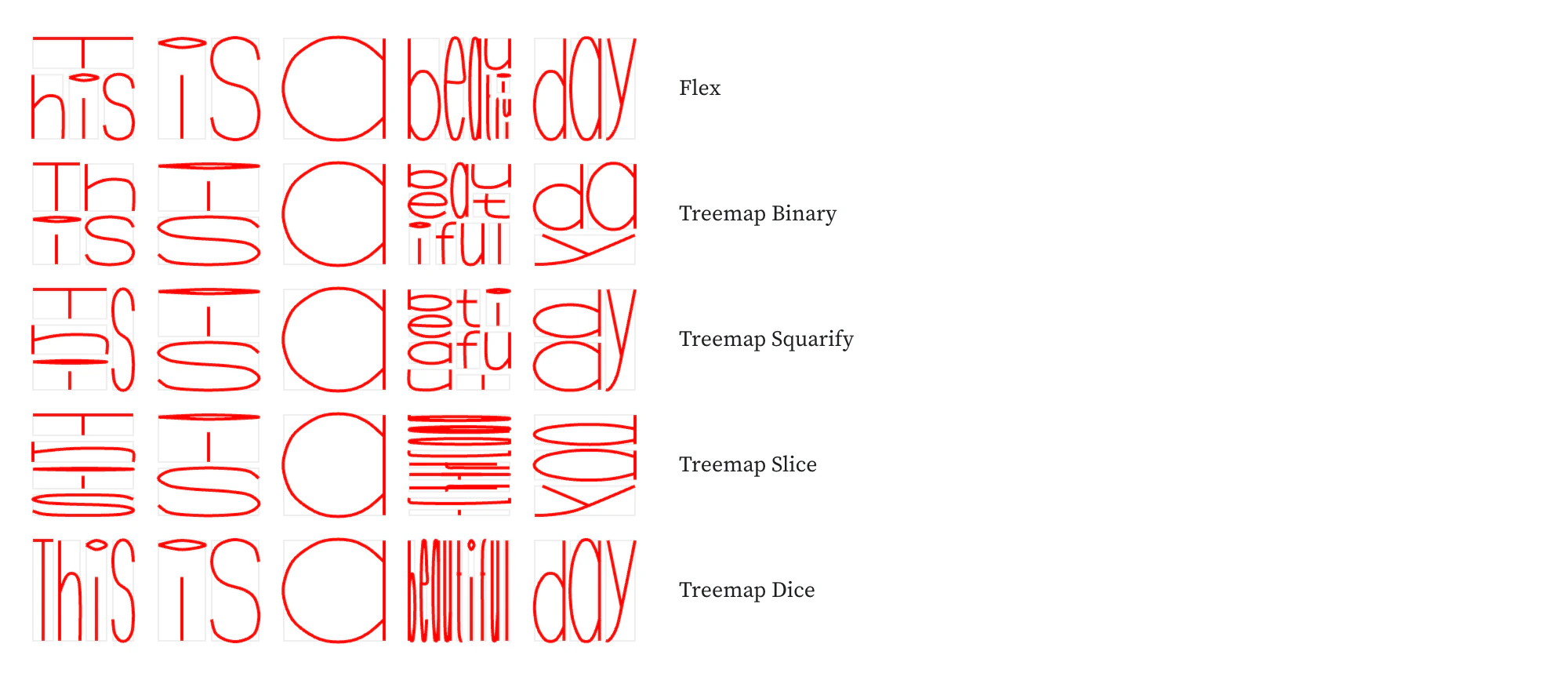
The system supports multiple layout strategies:
- Flex Layout: Arranges letters horizontally with flexible spacing, more closely resembling Chinese character structure
- Treemap Layout: Packs letters into compact square-like arrangements, using a treemap algorithm, better for drawing
Each letter is rendered as a series of SVG paths based on Hershey fonts, which can be filled, connected in cursive mode or applied a sketchy style, supported by Rough.js.
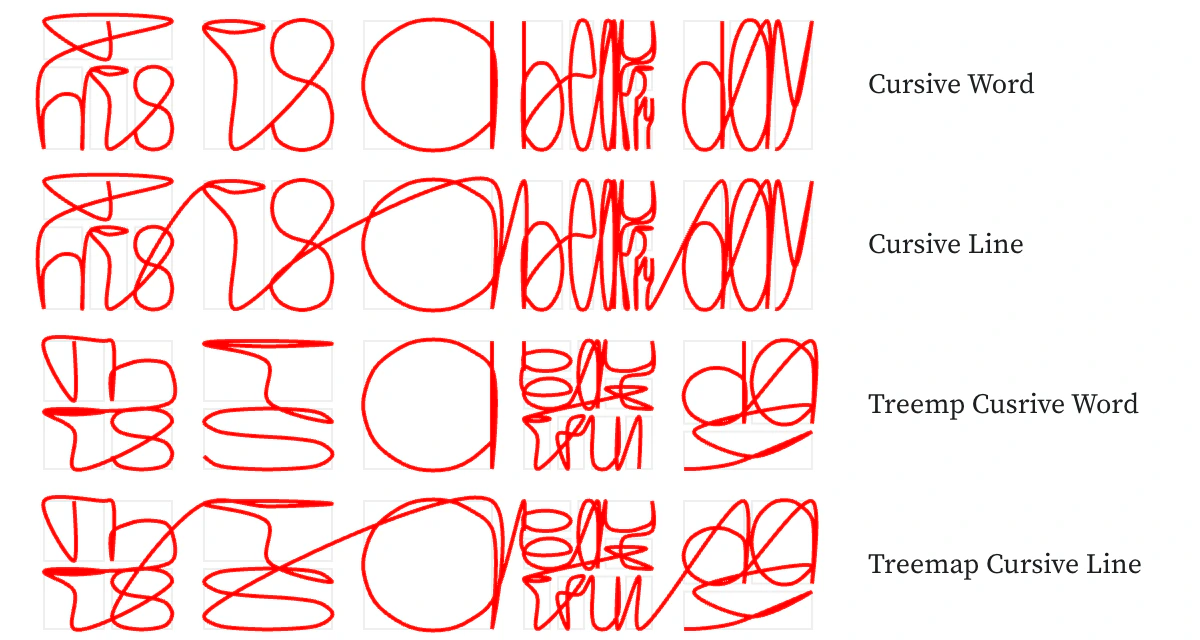 Cursive
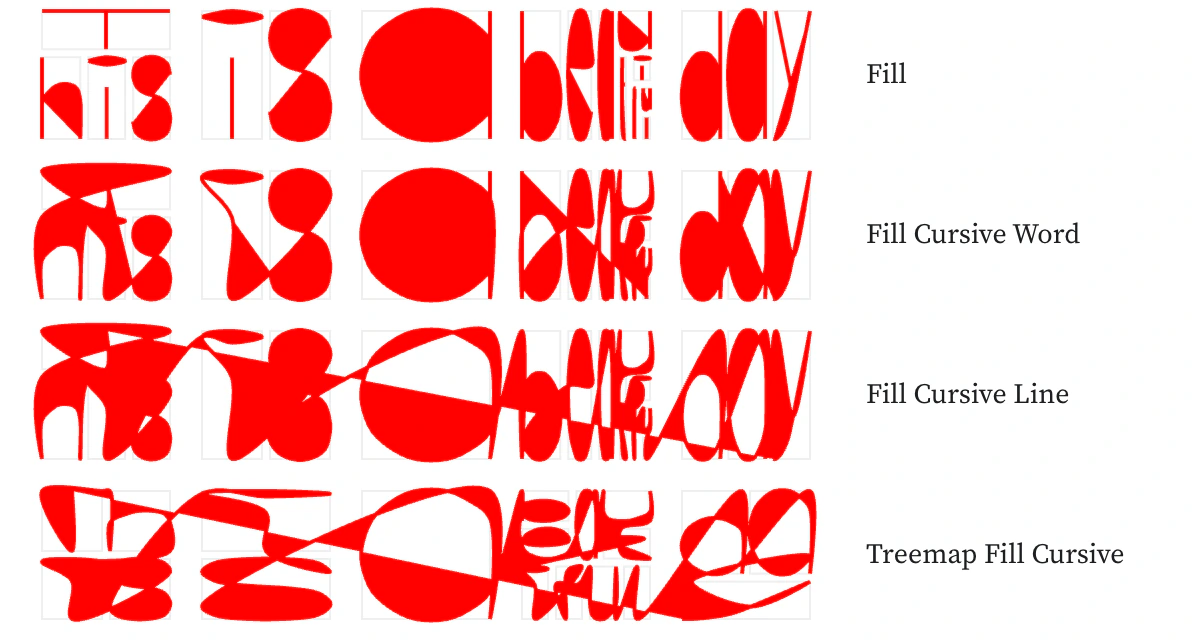 Filled
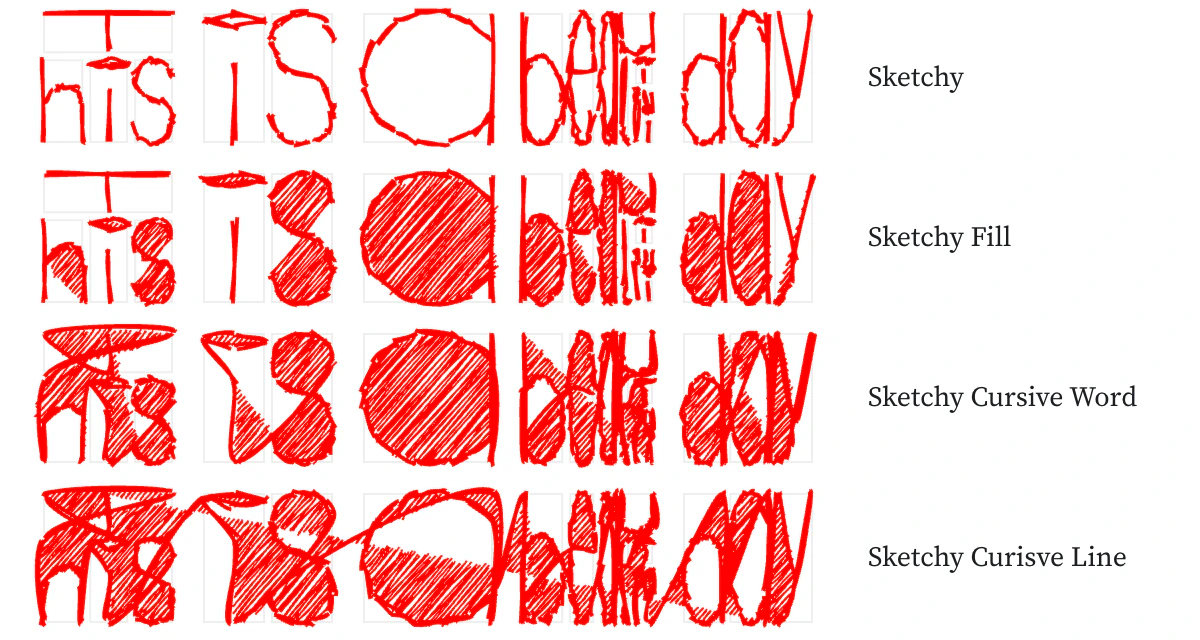 Sketchy
The system also supports multiple font families, allowing for different stylistic interpretations of the same text.
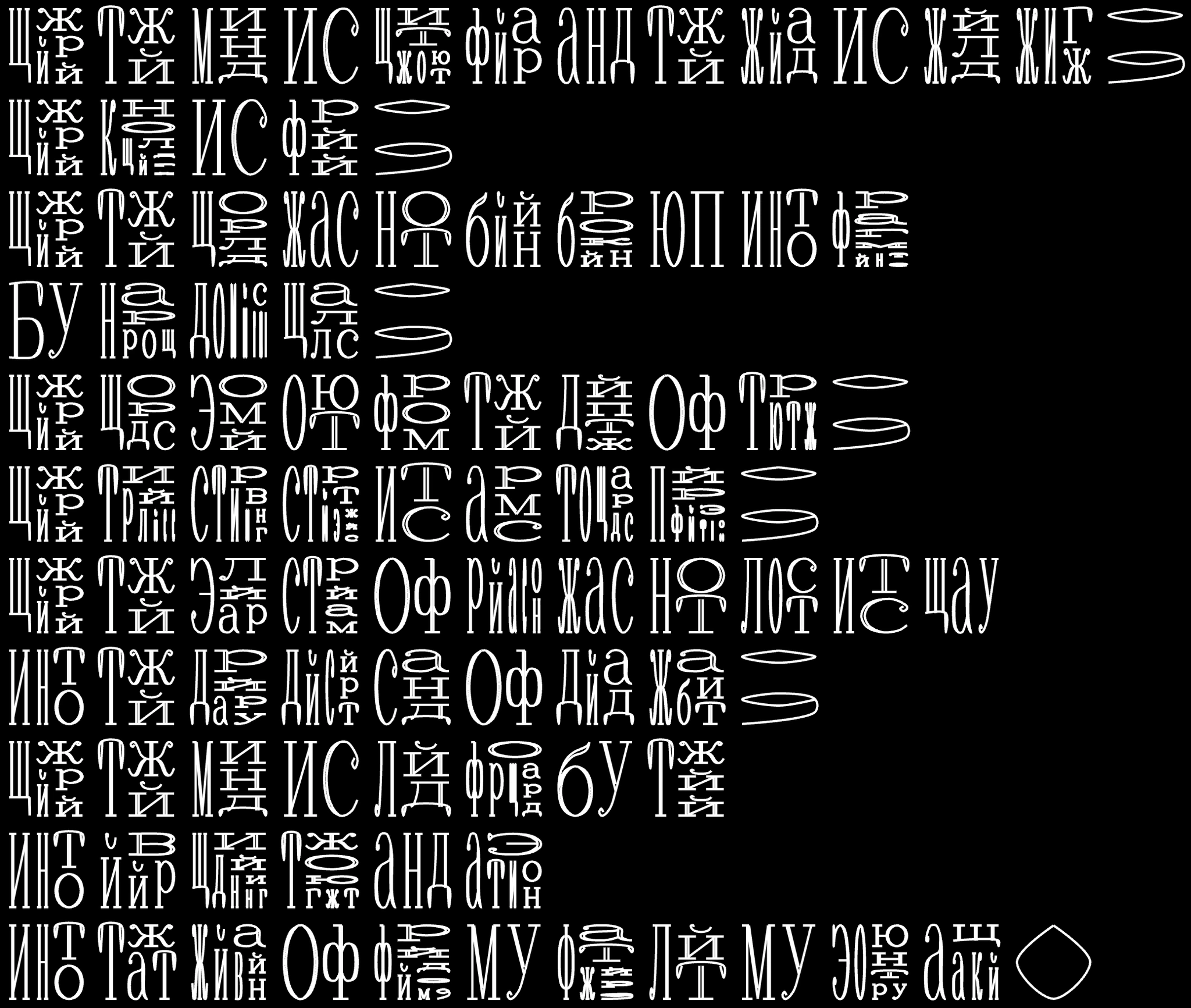
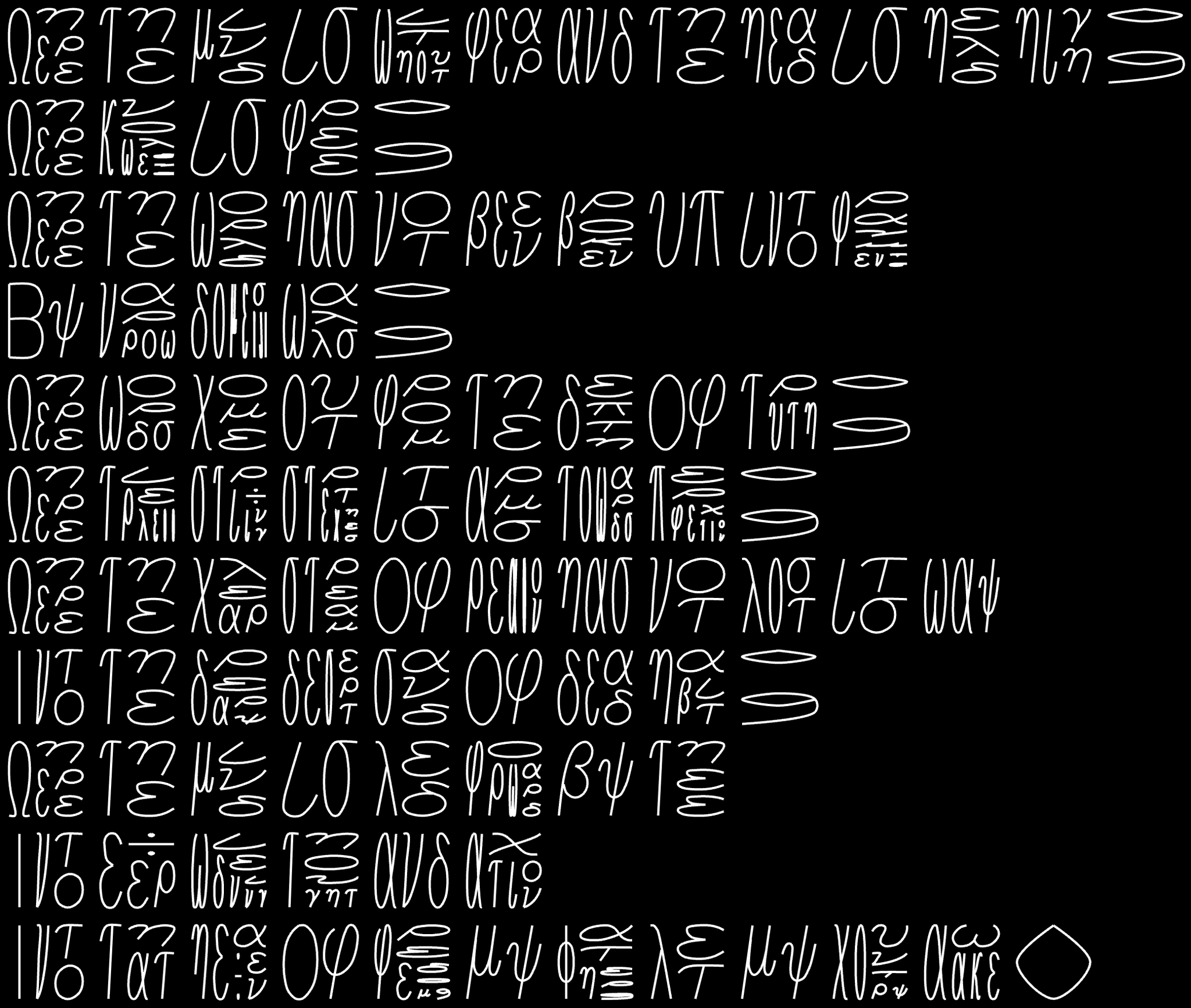
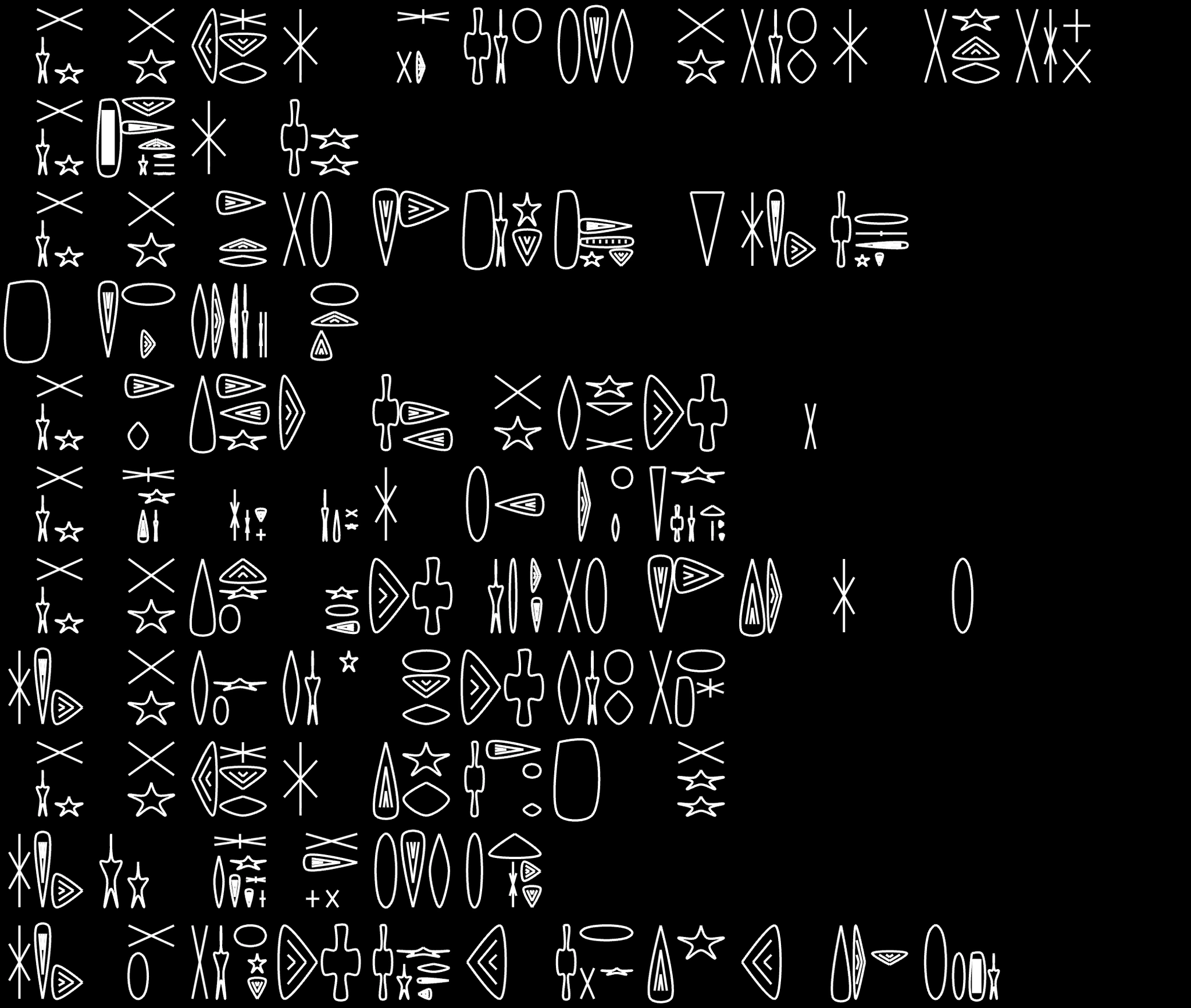
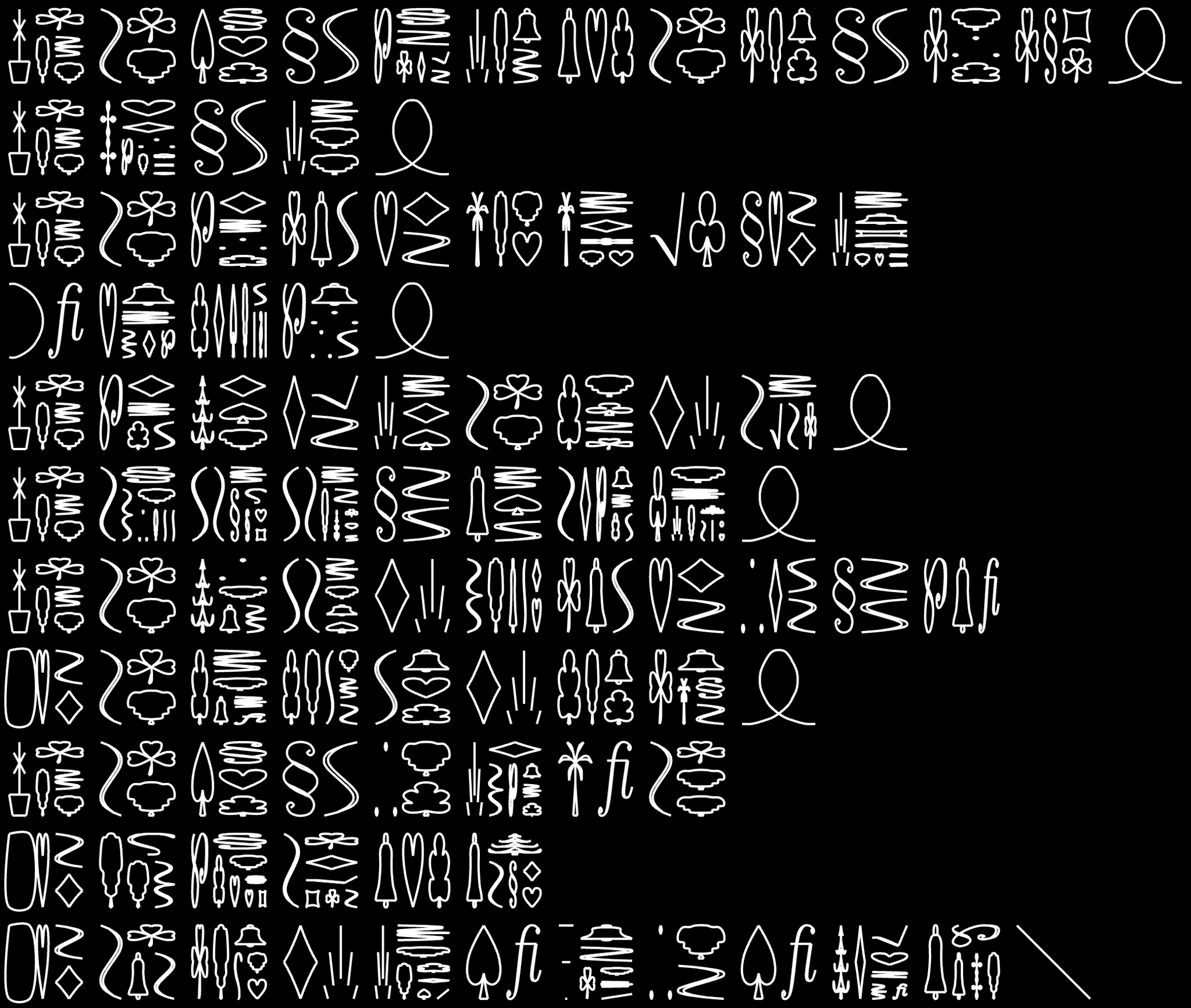
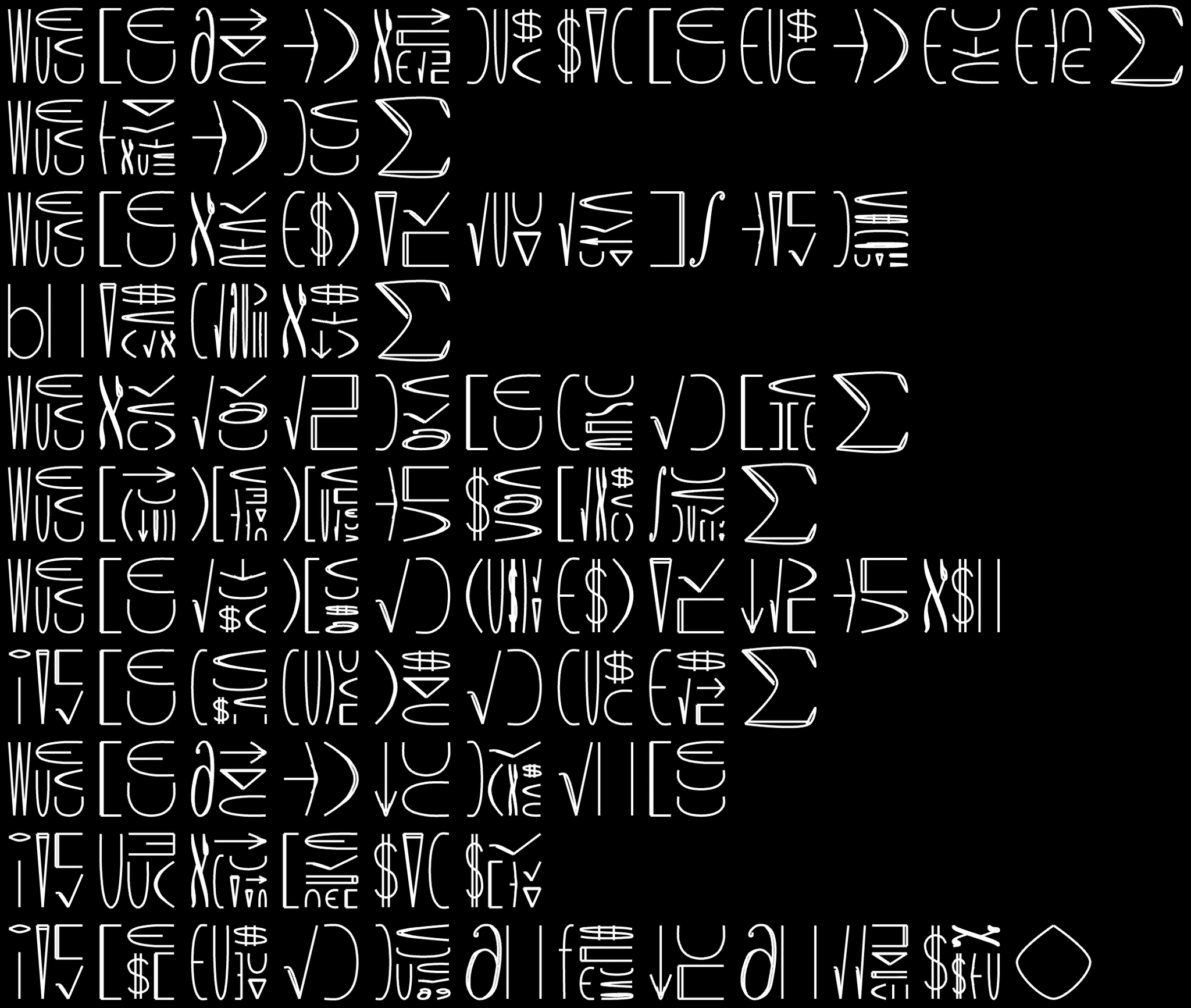
With all of these features, APack can be used to create stamps, logos, wallpapers, etc.
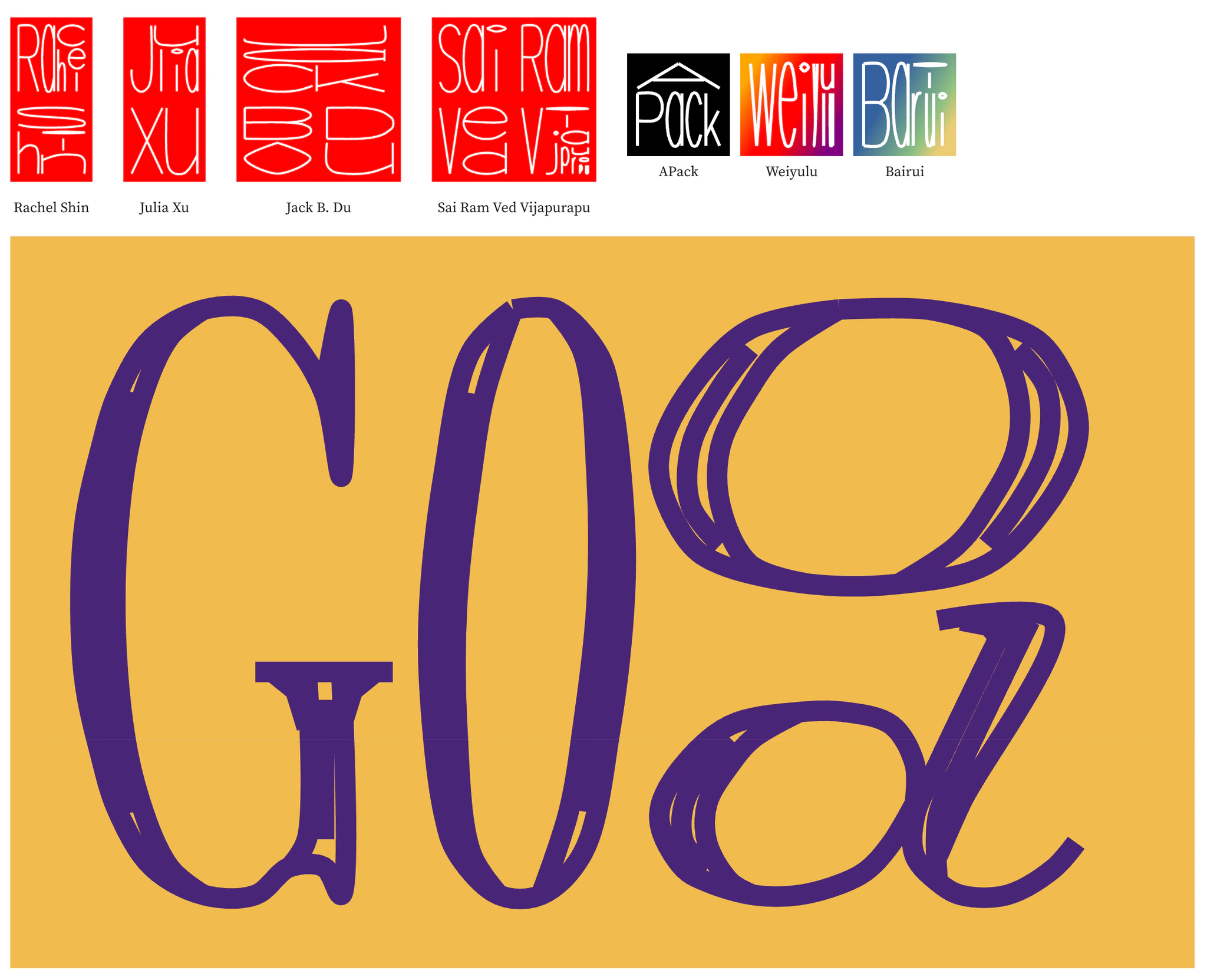 Stamps, Logos, Wallpapers, etc.
Process
Apack was originally an assignment for Allison Parrish's Computational Letterforms and Layout class at ITP. I first implemented the algorithm in Observable Notebook . My classmates liked it, so I decided to make it my final project by developing a user-friendly online editor.
When I was developing the online editor, I had two choices. The first one was to separate the source text editing with the rendered output, like normal Markdown editors with editor on the left and preview on the right. In order to make the editing experience more like drawing, I decided to adopt the second approach, where the editor and the output are merged into a single canvas!
Feedback
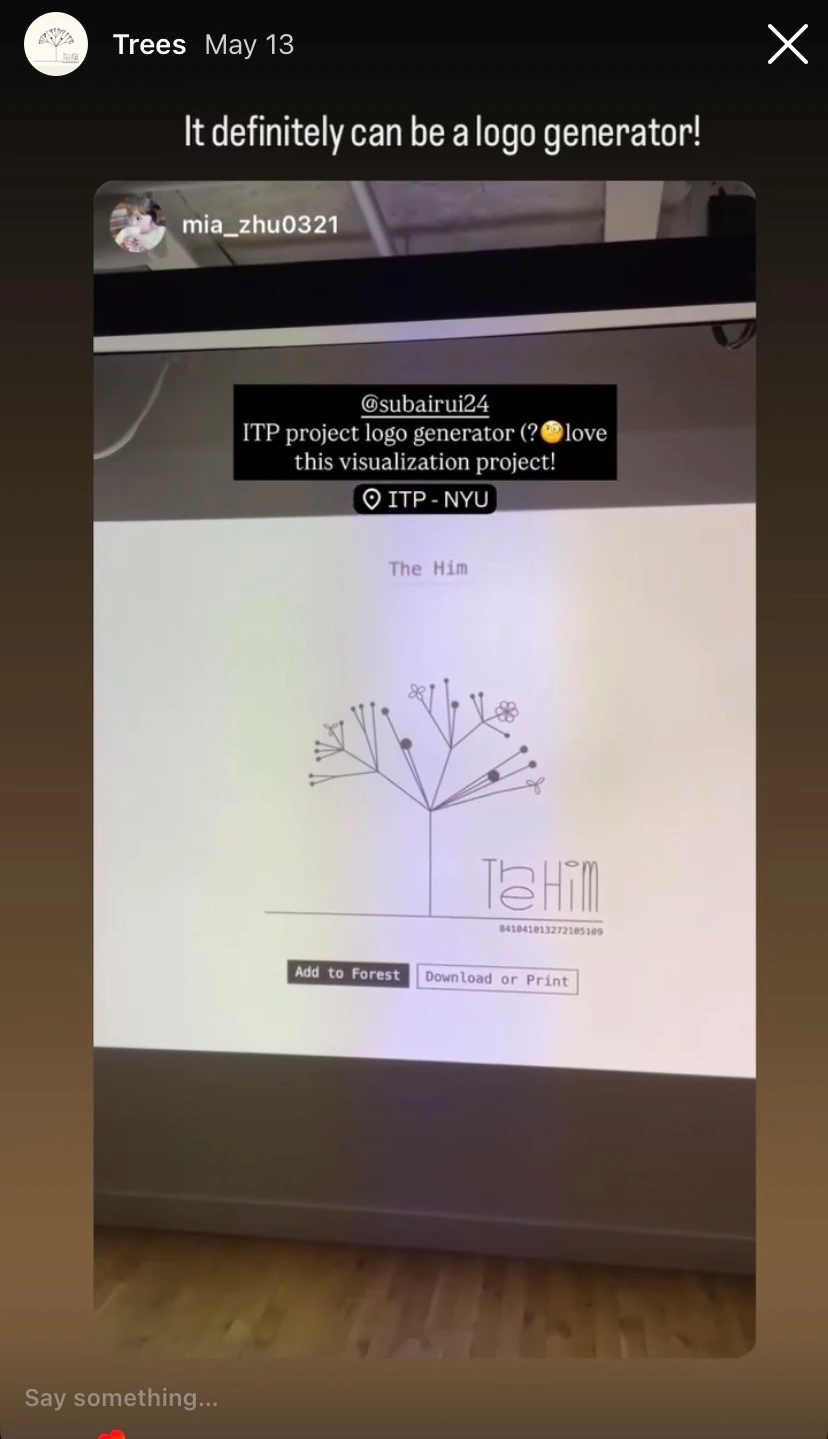
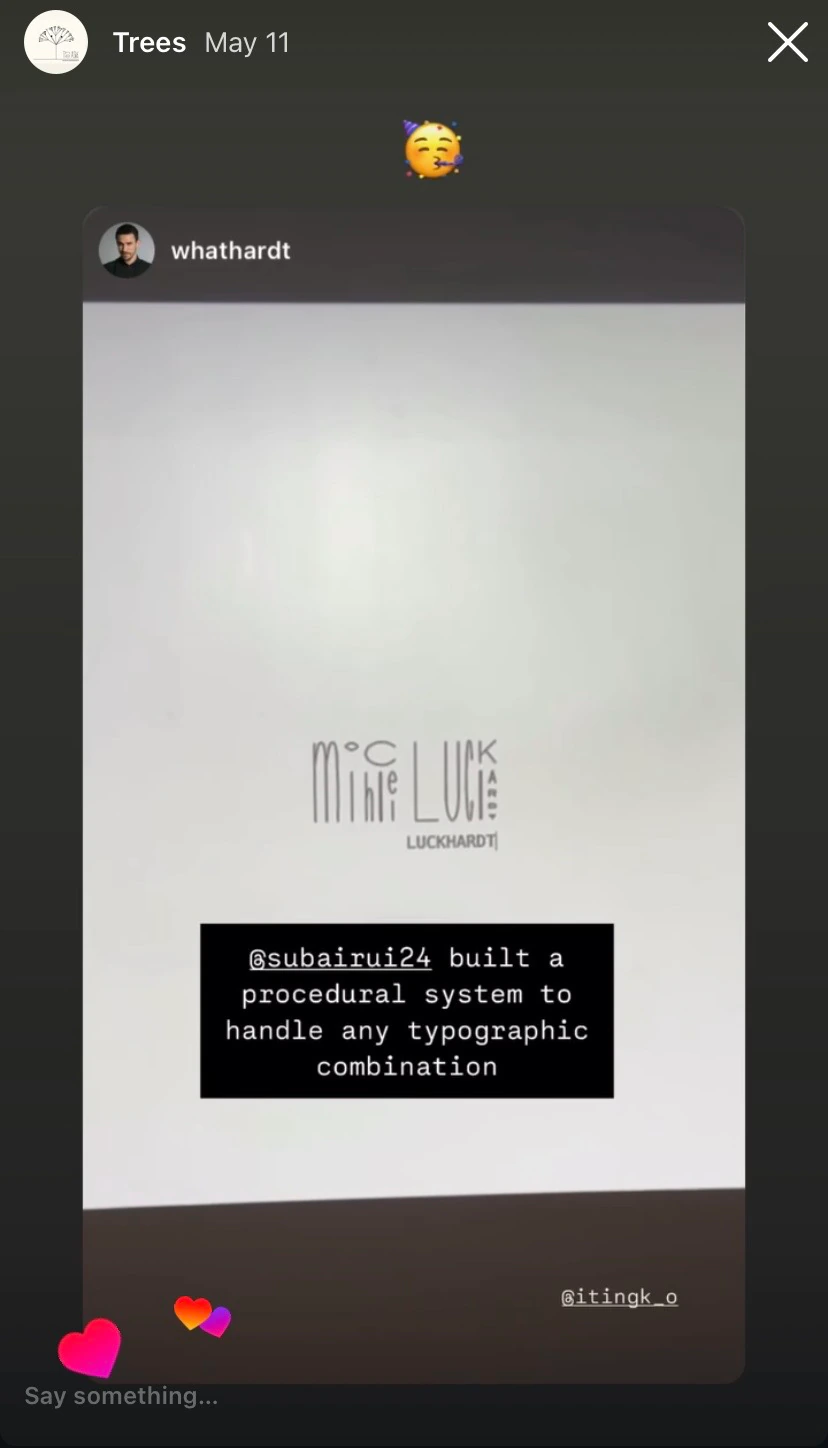
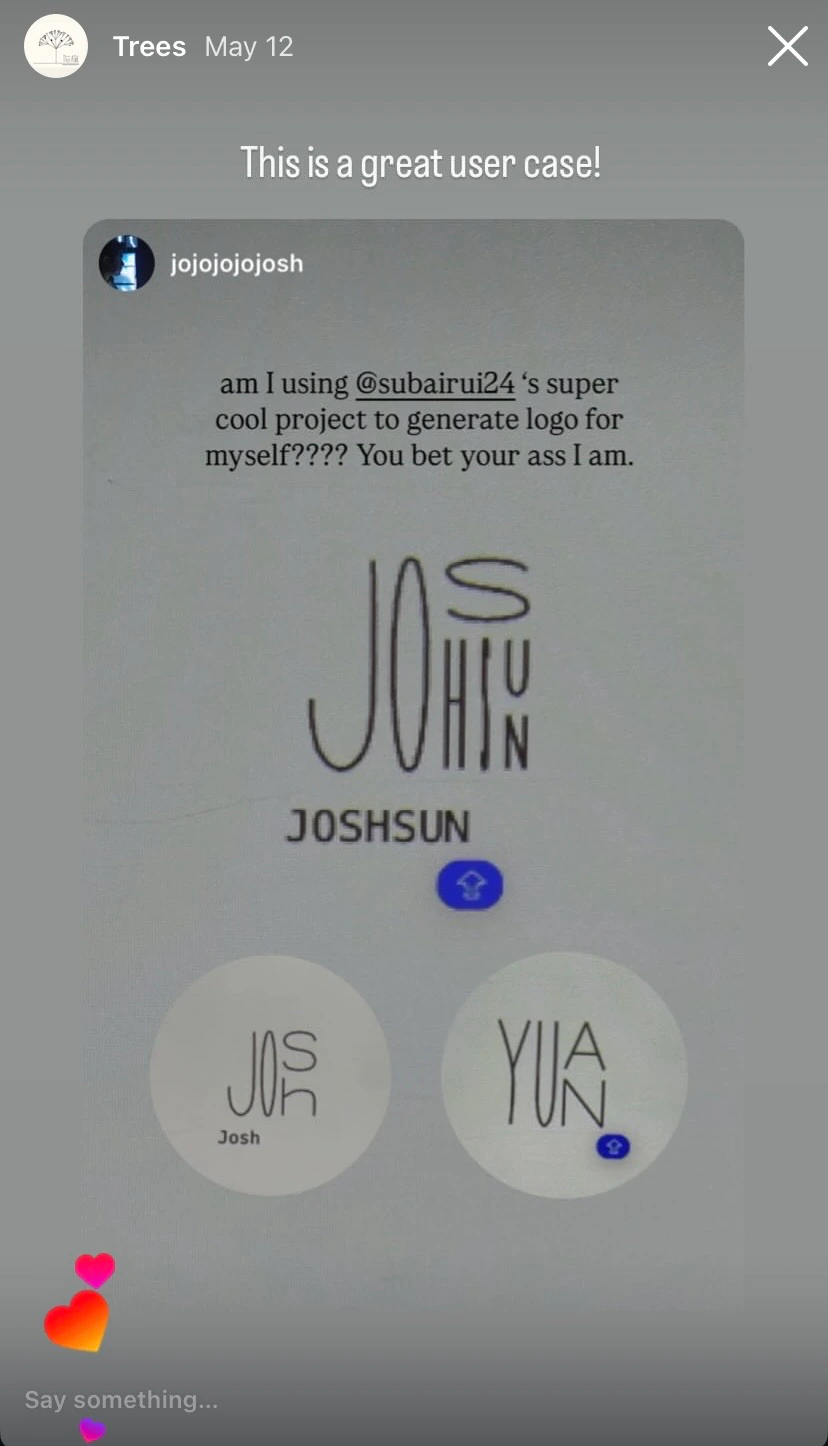
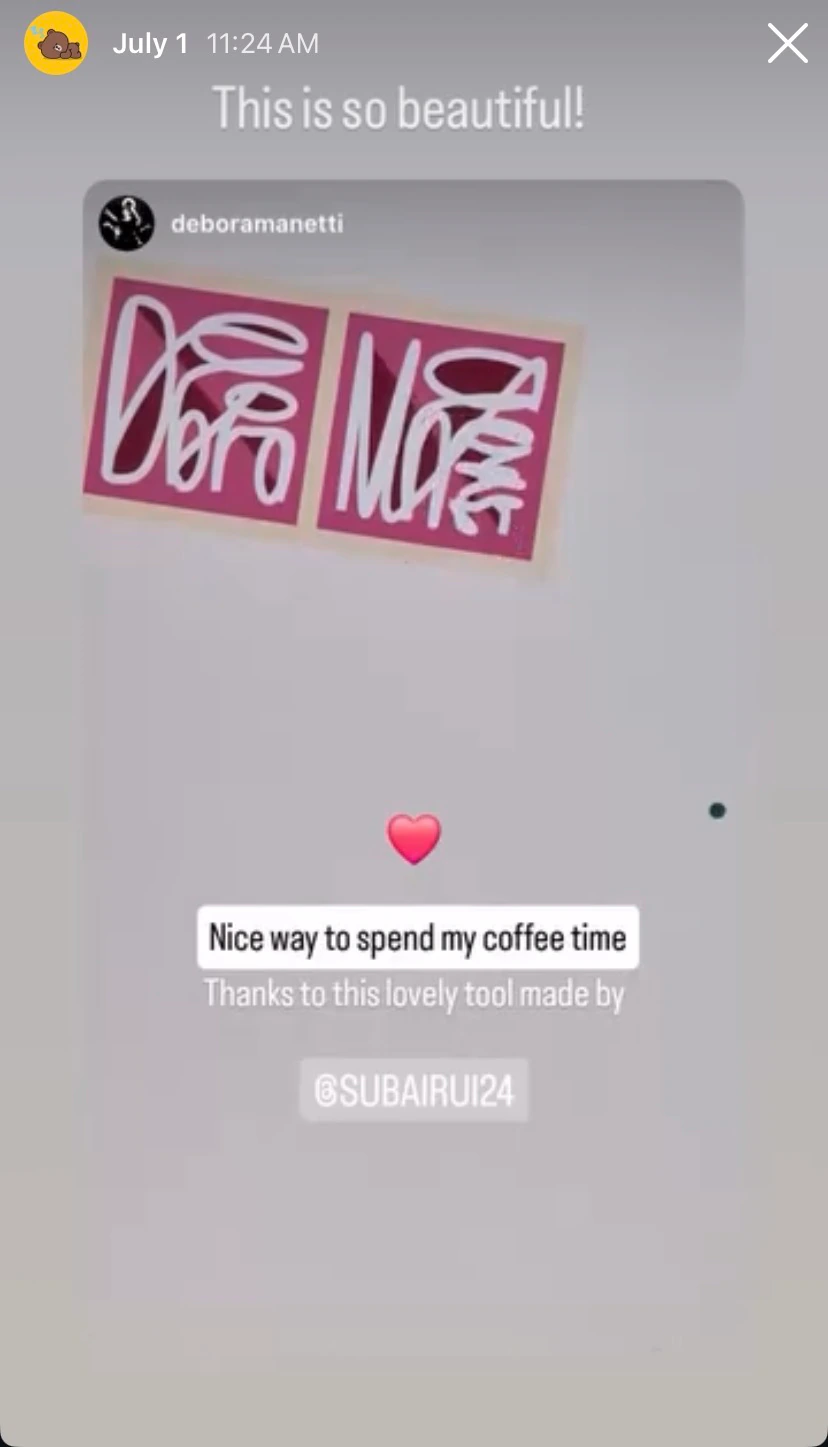
People enjoyed playing with the editor. It was so interesting to see people want to figure out how it works by keeping typing. Also a lot of them think it would be a great logo generator! Here are some Instagram stories posted by participants:
Future Work
There are two things I want to keep exploring with APack. The first one is to craft them out, including fabricating wooden stamps and plotting them out with AxiDraw.
I'm also interested in the idea of writing as drawing. The following image on the left is a drawing I saw on a Processing exhibition, and I used APack to "draw" the similar image on the right. There are definitely more opportunities to explore this idea. For example, I plan to draw a set of icon with APack, as well as some abstract versions of classical paintings like Mona Lisa.
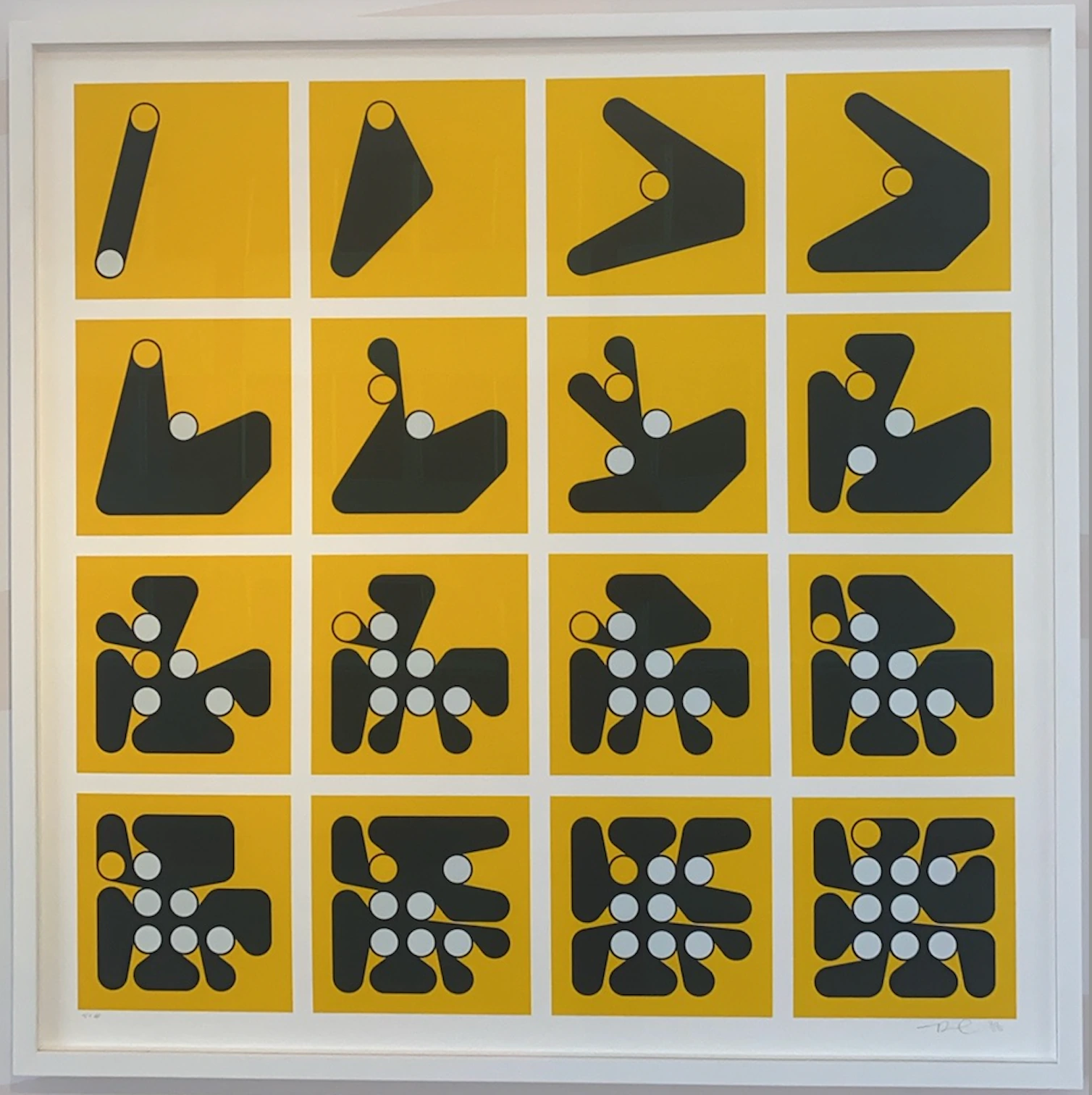 Drawing on Processing Exhibition
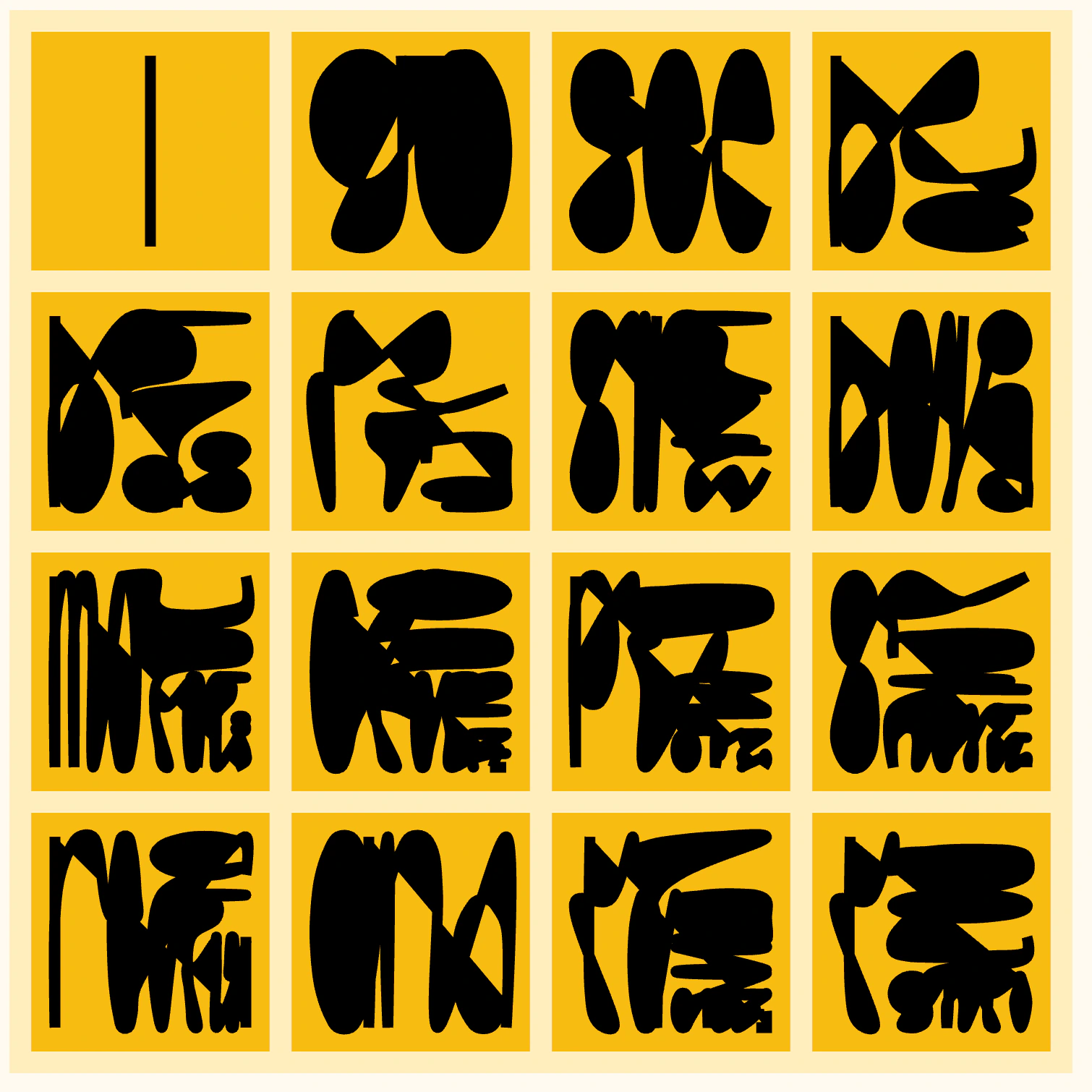 APack Drawing
Reflection
I enjoyed the process of creating APack. It explores the intersection of typography, generative art, data visualization, and cultural exchange. I'm happy that it can serve as a tool for creating stylized text. It's also a interesting concept exploration of how digital tools can bridge different cultural and linguistic traditions.